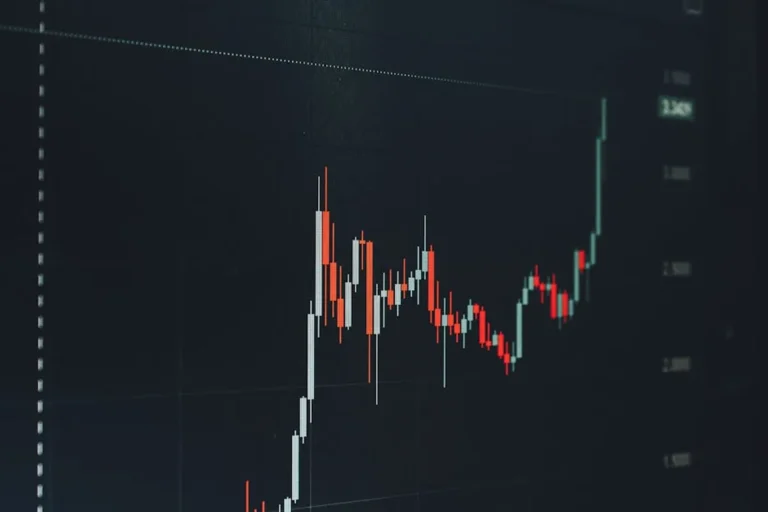

Investing in Coinbase Global, Inc. (COIN) stock offers direct exposure to the regulated cryptocurrency economy, but it requires a nuanced understanding of both traditional equity market dynamics and the volatile digital asset landscape. Prospective investors must weigh the company's established market position and growth potential against significant regulatory uncertainties, intense competition, and the inherent price fluctuations of cryptocurrencies themselves. This guide details Coinbase's operational framework, the factors driving its stock performance, the critical risks to consider, and its future trajectory within the evolving financial sector.
Understanding Coinbase Global, Inc. (COIN)
Coinbase operates as a leading cryptocurrency exchange platform, facilitating the buying, selling, and storing of digital assets. Its primary revenue streams are transaction fees charged on trades, which are directly tied to trading volume and market volatility. Beyond its core exchange, Coinbase has diversified into several related services:
- Custody Solutions: Secure storage of digital assets for institutional clients.
- Staking Services: Earning rewards for users by participating in proof-of-stake networks.
- Web3 Products: Initiatives like a self-custody wallet, NFT marketplace, and developer tools.
- Coinbase Ventures: Strategic investments in emerging blockchain and crypto companies.
The company's market position is characterized by its brand recognition, regulatory compliance (especially in the U.S.), and a user-friendly interface that appeals to both retail and institutional investors. Its public listing on Nasdaq via a direct listing in April 2021 marked a significant milestone for the broader crypto industry, providing a publicly traded proxy for the sector's growth.
Key Price Drivers for COIN Stock
Coinbase's stock price is influenced by a confluence of factors, many of which are unique to its industry sector:
Cryptocurrency Market Performance
The most significant driver for COIN stock is the overall health and sentiment of the cryptocurrency market, particularly the prices and trading volumes of major assets like Bitcoin (BTC) and Ethereum (ETH). During bull markets, increased trading activity directly translates to higher transaction fee revenue for Coinbase. Conversely, bear markets typically lead to reduced trading volumes and lower revenue, impacting investor sentiment and COIN's share price.
Regulatory Landscape
Regulatory developments, especially in major markets like the United States, significantly impact Coinbase's operational environment and future prospects. Clarity, or lack thereof, regarding digital asset classification, exchange oversight, and consumer protection can either foster innovation and adoption or impose restrictive compliance burdens. Positive regulatory news, such as the approval of spot Bitcoin ETFs, can boost confidence, while adverse rulings or new restrictions can depress the stock.
Company Financials and User Growth
Traditional financial metrics also play a role. Coinbase's quarterly earnings reports, detailing revenue, profitability, and user acquisition rates, are closely scrutinized. Growth in verified users, monthly transacting users (MTUs), and assets on platform indicate expanding reach and potential for future revenue. Efficiency in managing operating expenses and product diversification into less transaction-fee-dependent services can also signal financial resilience.
Competitive Environment
The cryptocurrency exchange market is highly competitive. Coinbase faces pressure from other centralized exchanges (e.g., Binance, Kraken), decentralized exchanges (DEXs), and emerging fintech platforms. Competition can lead to fee compression, requiring Coinbase to innovate and differentiate its offerings to retain market share and attract new users.
Inherent Risks for Coinbase Investors
Investing in COIN stock carries specific risks that differ from traditional equities:
Regulatory Uncertainty
The evolving and often fragmented global regulatory environment for cryptocurrencies poses a continuous risk. Potential government actions, such as stricter licensing requirements, new tax implications, or outright bans in certain jurisdictions, could severely impact Coinbase's business model and growth opportunities. The lack of a clear, unified regulatory framework creates an unpredictable operating landscape.
Market Volatility
Coinbase's profitability is highly correlated with the volatile nature of cryptocurrency prices. Extended periods of low crypto prices and reduced trading volumes directly diminish the company's primary revenue source from transaction fees. This dependence makes COIN stock susceptible to large swings based on broader crypto market sentiment, which can be influenced by macroeconomic factors, technological developments, and geopolitical events.
Pro Tip: Evaluate Coinbase's financial reports for its "subscription and services" revenue segment. Growth here indicates diversification away from pure transaction fees, which can signal a more resilient business model less susceptible to crypto market volatility.
Operational and Security Risks
As a custodian of significant digital assets, Coinbase faces ongoing cybersecurity threats. A major security breach or platform outage could lead to substantial financial losses, reputational damage, and erosion of user trust. Operational risks also include technological failures, system overloads during peak demand, and compliance failures related to anti-money laundering (AML) and know-your-customer (KYC) regulations.
Competition and Fee Compression
The crypto exchange market is saturated, leading to intense competition on trading fees. Many platforms offer lower fees or innovative products, pressuring Coinbase to adapt its pricing strategy, potentially impacting its margins. The rise of decentralized finance (DeFi) platforms and self-custody solutions also presents an alternative to centralized exchanges, challenging Coinbase's long-term market dominance.
Coinbase's Future Outlook and Growth Avenues
Despite the risks, Coinbase has several avenues for future growth and market expansion:
Product Diversification
Coinbase is actively expanding its product suite beyond spot trading. This includes growth in staking services, lending products, institutional prime brokerage, and its Web3 ecosystem initiatives. Success in these areas can create more stable, recurring revenue streams, reducing reliance on volatile transaction fees and enhancing the company's value proposition.
International Expansion
While a significant player in the U.S., Coinbase has opportunities to expand its footprint in international markets where crypto adoption is growing and regulatory environments may be more favorable. Strategic partnerships and localized product offerings can unlock new user bases and revenue streams outside its core markets.
Institutional Adoption
The increasing interest from institutional investors, asset managers, and corporations in digital assets presents a substantial growth opportunity. Coinbase's regulated custody solutions, prime brokerage services, and robust infrastructure position it to capture a significant share of this institutional capital inflow as the digital asset class matures.
Strategic Considerations for COIN Investment
Investing in Coinbase stock requires investors to adopt a long-term perspective, acknowledging both its potential as a gateway to the digital economy and its exposure to a nascent, highly dynamic asset class. Diligence involves monitoring global regulatory shifts, tracking cryptocurrency market cycles, and evaluating Coinbase's ability to innovate and diversify its revenue streams. The company's capacity to navigate competitive pressures and mitigate operational risks will be central to its sustained performance and value appreciation. Understanding these interconnected factors is crucial for making informed investment decisions regarding COIN.
Frequently Asked Questions
Is Coinbase profitable?
Coinbase's profitability fluctuates significantly with cryptocurrency market cycles. During bull markets with high trading volumes, the company can generate substantial profits, but bear markets often lead to reduced revenue and potential losses.
What are Coinbase's main competitors?
Coinbase faces competition from other centralized exchanges like Binance and Kraken, decentralized exchanges (DEXs) such as Uniswap, and traditional financial institutions entering the digital asset space.
How does regulation impact Coinbase's business?
Regulatory actions, particularly in the U.S., can profoundly impact Coinbase's operations, product offerings, and market strategy. Favorable regulation can spur growth, while restrictive measures can limit its business activities and increase compliance costs.
Does Coinbase offer more than just crypto trading?
Yes, Coinbase has diversified its offerings to include institutional custody, staking services, a self-custody wallet, an NFT marketplace, and venture investments in blockchain companies, aiming to build a broader Web3 ecosystem.