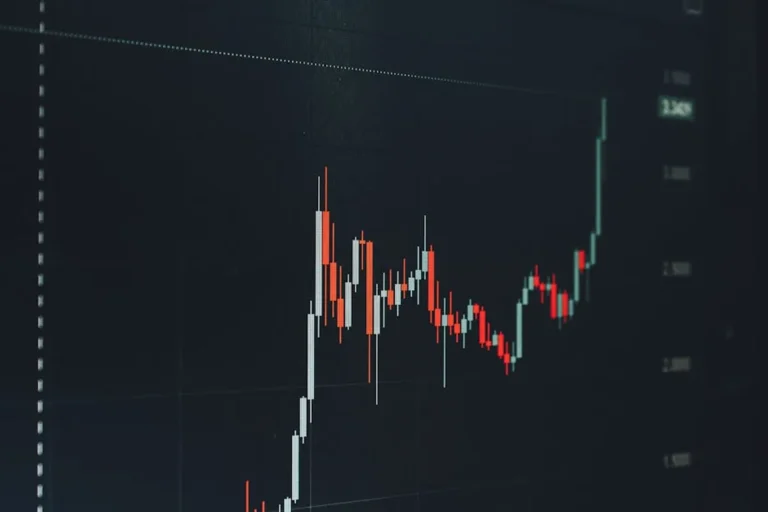

Understanding Dow Jones Futures is essential for anyone tracking broader market sentiment, managing portfolio risk, or seeking exposure to the U.S. large-cap equity market. These derivatives provide a direct, liquid mechanism to speculate on, or hedge against, the future value of the Dow Jones Industrial Average (DJIA). For investors, analysts, and market strategists, comprehending the mechanics, primary drivers, inherent risks, and forward-looking outlook of these contracts offers critical insights into market direction and potential volatility.
The Mechanics of Dow Jones Futures
Dow Jones Futures contracts are agreements to buy or sell the underlying Dow Jones Industrial Average at a predetermined price on a specified future date. Unlike directly investing in the 30 component stocks of the DJIA, futures contracts are cash-settled and derive their value from the index itself. Their primary function is to allow participants to gain exposure to the aggregate performance of these blue-chip companies without holding individual shares.
- Standardization: Futures contracts are standardized in terms of size, expiration dates, and tick increments, ensuring liquidity and transparent pricing on exchanges like the CME Group.
- Leverage: A key characteristic is the significant leverage they offer. A relatively small margin deposit can control a large notional value of the underlying index, amplifying both potential gains and losses.
- Hedging: Portfolio managers use futures to hedge existing equity positions against market downturns, effectively locking in a future selling price for their portfolio.
- Speculation: Traders utilize futures to speculate on the direction of the DJIA, aiming to profit from short-term price movements.
Primary Price Drivers for Dow Jones Futures
The price of Dow Jones Futures contracts is influenced by a confluence of macroeconomic, corporate, and technical factors. Monitoring these elements provides context for understanding market shifts.
Economic Indicators
Macroeconomic data releases significantly impact futures pricing. Strong Gross Domestic Product (GDP) growth, low unemployment figures, and manageable inflation rates typically signal a healthy economy, supporting higher equity valuations and, consequently, higher futures prices. Conversely, indicators of economic slowdown or rising inflation concerns can lead to downward pressure. Data points like the Consumer Price Index (CPI), Producer Price Index (PPI), and Non-Farm Payrolls are closely watched.
Corporate Earnings and Guidance
The Dow Jones Industrial Average comprises 30 major U.S. companies. Their collective earnings performance and forward-looking guidance are direct determinants of the index's value. Strong earnings reports, positive outlooks, and increased dividends from component companies tend to boost futures prices. Conversely, widespread earnings misses or cautious guidance can trigger declines. Market participants pay close attention to quarterly earnings seasons for these bellwether firms.
Monetary Policy
Decisions by the Federal Reserve, particularly regarding interest rates and quantitative easing/tightening, exert considerable influence. Lower interest rates generally make borrowing cheaper, encourage investment, and can boost corporate profits, supporting higher stock prices. Higher rates, conversely, can increase borrowing costs, slow economic activity, and make bonds more attractive relative to equities, often leading to futures price declines. Fed announcements and the minutes from Federal Open Market Committee (FOMC) meetings are critical events.
Geopolitical and Global Events
Major international developments, such as trade disputes, political instability, wars, or global health crises, can introduce significant uncertainty into markets. These events often lead to risk-off sentiment, causing investors to reduce exposure to equities and driving futures prices lower as a flight to safety occurs. Conversely, resolutions to such events can spark rallies.
Technical Factors and Market Sentiment
Beyond fundamentals, technical analysis, which studies past price movements and trading volumes, plays a role. Support and resistance levels, moving averages, and chart patterns can influence short-term trading decisions. Market sentiment, driven by news headlines, social media trends, and investor psychology, can also create momentum or panic, amplifying price movements beyond what fundamentals alone might suggest.
Risks Associated with Dow Jones Futures Trading
While offering opportunities, engaging with Dow Jones Futures carries distinct risks that require careful management.
Leverage Risk
The high leverage inherent in futures contracts means that small price movements in the underlying index can result in disproportionately large gains or losses relative to the initial margin deposited. This amplified exposure can lead to rapid depletion of trading capital if the market moves unfavorably.
Volatility Risk
Futures markets can be highly volatile, especially during periods of significant economic news or geopolitical events. Sudden, sharp price swings can make it difficult to execute trades at desired prices or manage positions effectively, increasing the potential for unexpected losses.
Liquidity Risk
While E-mini Dow futures are highly liquid, certain less active contracts or specific expiration months might have lower trading volumes. Reduced liquidity can lead to wider bid-ask spreads, making it more costly to enter or exit positions, particularly for larger orders.
Roll Risk
Futures contracts have finite expiration dates. Traders who wish to maintain their market exposure beyond a contract's expiration must "roll over" their position by simultaneously closing out the expiring contract and opening a new position in a further-out contract. This process can incur costs if the price difference (spread) between the two contracts is unfavorable.
Pro Tip: Always define your maximum acceptable loss per trade before entering a Dow Jones Futures position. Utilize stop-loss orders to automatically close out a position if it moves against you by a predetermined amount, mitigating the impact of unexpected volatility and leverage risk.
Outlook and Forecasting Considerations
Forecasting the direction of Dow Jones Futures involves synthesizing various analytical approaches.
Fundamental Analysis
This approach involves evaluating the intrinsic value of the underlying DJIA components and the broader economic landscape. Analysts examine corporate earnings, industry trends, economic growth forecasts, inflation expectations, and interest rate outlooks to project future index performance. The health of the U.S. consumer, business investment, and global trade balances are key considerations.
Technical Analysis
Technical analysts study price charts, volume data, and various indicators to identify patterns and trends that might predict future price movements. Concepts like support and resistance levels, trend lines, moving averages, and candlestick patterns are used to identify potential entry and exit points for trades. This method assumes that historical price action can offer clues about future behavior.
Sentiment Analysis
Gauging market sentiment involves understanding the prevailing mood of investors. This can be done by observing indicators like the CBOE Volatility Index (VIX), put/call ratios, or surveys of investor confidence. Extreme bullishness or bearishness can sometimes signal a market reversal, as sentiment often becomes stretched at turning points.
Macroeconomic Trend Integration
A comprehensive outlook integrates all these elements within the context of broader macroeconomic trends. For example, a period of sustained economic expansion with moderate inflation might suggest a bullish outlook, while signs of recession or stagflation would indicate a more cautious or bearish stance. Understanding how global economic forces interact with domestic policy is crucial for a nuanced forecast.
Navigating the Futures Market
Engaging with Dow Jones Futures requires a disciplined approach, integrating a clear understanding of market drivers with robust risk management. The high leverage and volatility necessitate continuous monitoring and a predefined strategy for entry, exit, and capital preservation. Successful participation hinges on accurate interpretation of economic signals, corporate performance, and geopolitical shifts, combined with an appreciation for the technical dynamics that influence short-term price action. For those seeking to manage exposure or capitalize on market movements, these contracts offer a powerful, albeit complex, avenue.
Frequently Asked Questions
What is the primary difference between trading Dow Jones Futures and buying an ETF that tracks the DJIA?
Dow Jones Futures contracts offer significant leverage and are cash-settled, meaning you don't own the underlying assets. ETFs, conversely, typically involve owning a basket of securities designed to replicate the index's performance, usually with less leverage and direct exposure to the underlying stocks, making them more suitable for long-term investment rather than short-term speculation or hedging.
How do interest rate changes specifically impact Dow Jones Futures?
Higher interest rates generally increase borrowing costs for companies, potentially reducing their profitability and making equities less attractive compared to fixed-income investments. This typically leads to a decrease in the perceived value of the DJIA and, consequently, lower Dow Jones Futures prices. Conversely, lower rates tend to have the opposite effect.
Can individual investors trade Dow Jones Futures?
Yes, individual investors can trade Dow Jones Futures through brokerage accounts that offer futures trading. However, due to the high leverage and associated risks, it is generally recommended for experienced traders with a thorough understanding of the market and robust risk management strategies. Many brokers require specific approvals and higher margin requirements for futures trading.