
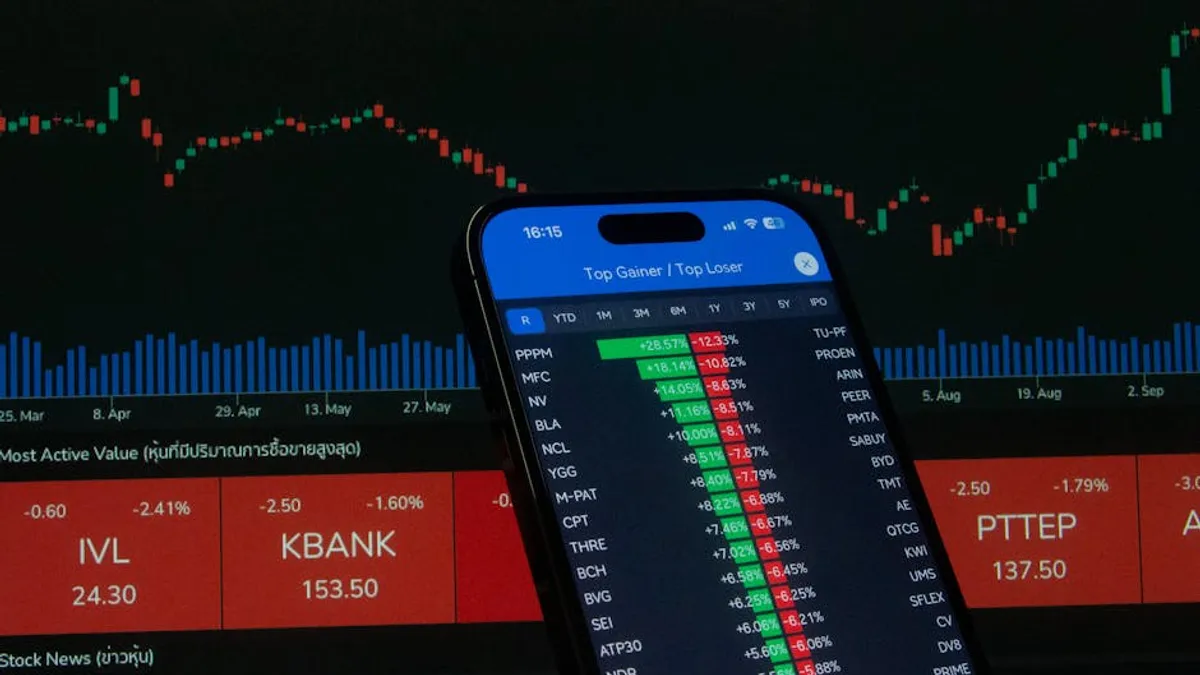
The FTSE indices serve as critical benchmarks for assessing the health and direction of the UK equity market, influencing investment strategies for both domestic and international participants. For investors, analysts, and market observers, a detailed understanding of these indices—their composition, the forces driving their valuation, inherent risks, and future prospects—is indispensable for informed decision-making and portfolio management.
Understanding the FTSE Indices
The FTSE, or Financial Times Stock Exchange, family of indices provides a comprehensive overview of the UK stock market. These indices are maintained by FTSE Russell, a subsidiary of the London Stock Exchange Group, and are constructed to represent different segments of the market by company size and liquidity.
FTSE 100: The Blue-Chip Benchmark
The FTSE 100 Index comprises the 100 largest UK-listed companies by market capitalization. These are typically established, multinational corporations with significant global operations. Its performance is often seen as a barometer for the broader UK economy, though its heavy weighting towards international earners means it can also reflect global economic trends and currency fluctuations. For instance, a weaker British Pound can boost the reported earnings of FTSE 100 companies with substantial overseas revenue when converted back into sterling.
FTSE 250: Mid-Cap Growth
The FTSE 250 Index tracks the performance of the next 250 largest companies listed on the London Stock Exchange, following the FTSE 100. These are often mid-sized companies with a more domestic focus than their FTSE 100 counterparts. Consequently, the FTSE 250 is generally considered a better indicator of the UK's internal economic health, as its constituents are more directly impacted by domestic consumer spending, interest rates, and government policy. It often exhibits higher growth potential and volatility compared to the FTSE 100.
FTSE All-Share: Broad Market Representation
The FTSE All-Share Index is a comprehensive measure of the performance of all eligible UK companies listed on the London Stock Exchange's Main Market. It includes approximately 600 companies, covering about 98% of the UK's market capitalization. This index offers the broadest representation of the UK equity market, encompassing both large-cap and mid-cap segments, making it a valuable tool for tracking overall market sentiment and long-term trends.
Primary Drivers of FTSE Performance
The valuation and movement of FTSE indices are influenced by a complex interplay of macroeconomic, corporate, and global factors. Understanding these drivers is crucial for anticipating market shifts and making strategic investment choices.
Macroeconomic Indicators
Key economic data points from the UK and major global economies directly impact investor sentiment and corporate profitability.
- Gross Domestic Product (GDP): Strong GDP growth signals a healthy economy, often leading to higher corporate earnings and investor confidence.
- Inflation Rates: High inflation can erode purchasing power and increase operating costs for businesses, potentially leading to central bank interest rate hikes.
- Interest Rates: Decisions by the Bank of England on interest rates affect borrowing costs for companies and consumers, influencing investment, spending, and corporate valuations.
- Employment Data: Low unemployment and rising wages can indicate robust consumer demand, benefiting domestically focused companies.
Corporate Financials
The collective performance of constituent companies forms the bedrock of index movements. Positive earnings reports, strong revenue growth, and optimistic forward guidance from major FTSE companies can drive the indices higher. Conversely, widespread profit warnings or financial distress within key sectors can exert downward pressure.
Global Geopolitical Shifts
As many FTSE 100 companies have significant international exposure, global events can profoundly affect their profitability and, by extension, the index. Trade agreements, political instability in key markets, commodity price fluctuations (especially oil and gas), and major international policy changes all contribute to market sentiment and investment flows. For example, shifts in global supply chains or international trade tariffs can directly impact the manufacturing and export-oriented sectors within the FTSE.
Navigating FTSE Market Risks
Investing in FTSE indices, whether directly or via funds, carries inherent risks that market participants must acknowledge and manage. These risks can stem from broad economic conditions or specific industry challenges.
Economic Cycle Vulnerabilities
Recessions or periods of economic slowdown directly impact corporate earnings and consumer spending, leading to declines in stock valuations. Stagflation, characterized by high inflation and low growth, poses a particularly challenging environment, as rising costs compress margins while demand stagnates. Exposure to specific sectors, such as retail or construction, can amplify these vulnerabilities during downturns.
Geopolitical and Regulatory Headwinds
Political uncertainty within the UK (e.g., general elections, policy shifts) or significant international events (e.g., conflicts, trade disputes) can introduce volatility and dampen investor confidence. Furthermore, changes in regulatory frameworks, particularly in heavily regulated sectors like finance, utilities, or pharmaceuticals, can impose new costs or restrict operations, affecting profitability and stock prices.
Pro Tip: Pay close attention to currency movements, specifically GBP/USD and GBP/EUR. A significant depreciation of the pound can inflate the reported earnings of FTSE 100 companies with substantial foreign revenue, while a strong pound can have the opposite effect. This dynamic introduces a layer of complexity beyond core economic fundamentals.
Formulating a Forward Outlook
Developing an outlook for the FTSE involves synthesizing current market conditions with anticipated future trends across various domains. This is not about predicting exact price points but understanding the balance of probabilities for different market scenarios. Developing an outlook for the FTSE involves synthesizing current market conditions with anticipated future trends across various domains, and understanding the market outlook for the FTSE can help investors prepare for various scenarios.
Key areas to monitor include:
- Global Economic Growth Trajectories: The health of major economies like the US, Eurozone, and China directly influences global demand and commodity prices, impacting multinational FTSE constituents.
- Central Bank Policy: Future interest rate decisions by the Bank of England and other major central banks will dictate the cost of capital and influence investor risk appetite.
- Commodity Price Trends: For resource-heavy FTSE 100, movements in oil, gas, and metal prices are direct drivers of earnings and share performance.
- Technological Innovation: Disruptive technologies can create new growth opportunities but also pose threats to established industries, leading to shifts in sector leadership within the indices.
- Consumer Confidence and Spending: Particularly for the more domestically oriented FTSE 250, robust consumer activity is a vital indicator of future earnings potential.
A balanced outlook recognizes both potential tailwinds, such as technological advancements or robust global trade, and potential headwinds, like persistent inflation or geopolitical tensions. Investors should consider how these factors might converge to shape the overall market environment.
Strategic Market Engagement
Engaging with the FTSE market requires a strategic approach that integrates an understanding of its structure, drivers, and risks. This involves continuous monitoring of economic data, corporate news, and global developments. Diversification across different indices or sectors can mitigate risk, while a long-term perspective can help navigate short-term volatility. The FTSE indices offer a window into the UK's economic pulse, and informed engagement is key to leveraging their insights.
Frequently Asked Questions
What is the primary difference between the FTSE 100 and FTSE 250?
The FTSE 100 tracks the 100 largest UK-listed companies by market capitalization, often with significant international operations. The FTSE 250 comprises the next 250 largest companies, which typically have a stronger domestic focus and are more sensitive to the UK's internal economy.
How often are FTSE indices rebalanced?
FTSE indices, including the FTSE 100 and FTSE 250, are typically reviewed and rebalanced quarterly. This process involves adding or removing companies based on their market capitalization and other eligibility criteria to ensure the index accurately reflects its target market segment.
Why is the FTSE important for international investors?
The FTSE indices, particularly the FTSE 100, offer international investors exposure to a diverse range of global companies listed in the UK. They provide a benchmark for UK market performance and can be a component of a globally diversified portfolio, offering insights into European economic health and currency dynamics.