
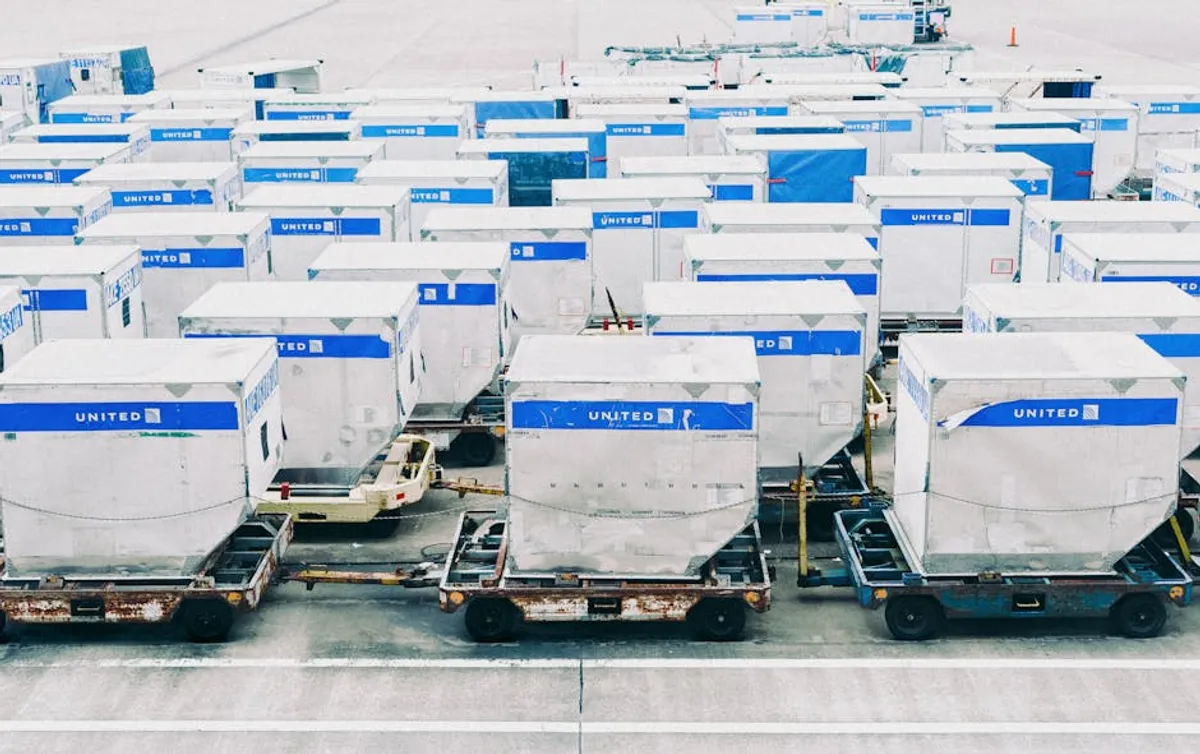
For healthcare organizations, selecting the appropriate freight method—air or ground—is a pivotal decision that directly impacts patient outcomes, operational costs, and regulatory compliance. The choice extends beyond mere transit time or expense; it involves a complex interplay of product integrity, urgency, security, and geographic reach. Understanding the distinct capabilities and limitations of each mode is essential for optimizing supply chains that manage everything from life-saving pharmaceuticals to sensitive medical devices.
Air Freight for Time-Critical Healthcare Shipments
Air freight leverages the speed of air travel to transport goods rapidly over long distances, making it indispensable for specific segments of the healthcare industry. Its primary advantage lies in significantly reduced transit times, often enabling same-day or next-day delivery across continents.
Advantages of Air Freight in Healthcare
- Expedited Delivery: Critical for urgent medical supplies, clinical trial materials, organ transplants, and emergency pharmaceuticals where delays can have severe consequences. Air cargo networks facilitate rapid movement through dedicated hubs.
- Global Reach: Provides access to international markets and remote locations that ground transportation cannot efficiently serve, crucial for global clinical trials or humanitarian aid.
- Enhanced Security: Airports often have stringent security protocols, and air cargo is typically handled in controlled environments, reducing the risk of theft or tampering, especially for high-value or controlled substances.
- Specialized Handling Capabilities: Many air cargo carriers offer advanced temperature-controlled containers (active and passive), real-time monitoring, and specialized handling for hazardous materials, biologics, and other sensitive healthcare products.
Disadvantages of Air Freight in Healthcare
- Higher Cost: Air freight is considerably more expensive than ground transport, driven by fuel costs, specialized handling, and airport fees. This cost premium necessitates careful evaluation against the urgency and value of the cargo.
- Capacity Limitations: Aircraft cargo holds have finite space and weight limits, which can be restrictive for bulk shipments or large medical equipment.
- Weather Dependency: Air travel is susceptible to weather-related delays, which can disrupt critical delivery schedules.
- Customs and Regulatory Complexity: International air shipments involve intricate customs procedures and compliance with global regulations, requiring meticulous documentation and expertise to avoid delays.
Best for: Organ transport, clinical trial samples, biologics, high-value pharmaceuticals, emergency medical devices, time-sensitive vaccines.
Ground Freight for Cost-Effective and Regional Healthcare Logistics
Ground freight, primarily utilizing trucks and rail, forms the backbone of regional and national healthcare supply chains. It offers a balance of cost-effectiveness and accessibility, particularly for routine and larger volume shipments.
Advantages of Ground Freight in Healthcare
- Cost Efficiency: Generally the most economical option for shipping goods, especially for bulk volumes or less urgent deliveries within a continent. Fuel surcharges and labor costs are typically lower per unit compared to air.
- Door-to-Door Service: Provides direct pickup and delivery, eliminating transshipment points common with air freight, which can reduce handling risks and simplify logistics.
- Greater Capacity and Flexibility: Trucks can accommodate a wide range of cargo sizes and weights, offering flexibility for large medical equipment, bulk pharmaceuticals, or multiple pallet shipments.
- Accessibility: Reaches virtually any location accessible by road or rail, facilitating last-mile delivery to hospitals, clinics, and pharmacies.
Disadvantages of Ground Freight in Healthcare
- Slower Transit Times: Significantly slower than air freight, making it unsuitable for urgent or time-critical medical shipments over long distances.
- Geographic Limitations: Primarily restricted to continental or regional shipping, requiring intermodal solutions for overseas destinations.
- Road Conditions and Traffic: Susceptible to delays due to traffic congestion, road closures, and adverse weather conditions, which can impact delivery predictability.
- Security Concerns: While measures exist, ground transport can present higher risks of theft or tampering for high-value goods, particularly during extended transit times or overnight stops.
Best for: Routine pharmaceutical distribution, medical devices, hospital supplies, over-the-counter medications, reverse logistics for returns, regional inventory replenishment.
Critical Factors for Decision-Making in Healthcare Logistics
The choice between air and ground freight is rarely straightforward and often involves a hybrid approach. Several key factors must be weighed:
Product Characteristics and Urgency
The nature of the healthcare product dictates the priority. Life-saving drugs, personalized medicines, or diagnostic samples with short shelf lives demand speed, often justifying the higher cost of air freight. Conversely, durable medical equipment or bulk sterile supplies can tolerate longer transit times via ground freight.
Temperature Control and Cold Chain Integrity
Many pharmaceuticals, vaccines, and biologics require strict temperature control throughout their journey. Both air and ground freight offer cold chain solutions, but the robustness and cost of these solutions vary. Air freight often utilizes active temperature-controlled containers for precise, long-duration control, while ground freight relies on refrigerated trucks and passive packaging for shorter hauls.
Regulatory Compliance and Documentation
Healthcare logistics operates under stringent regulations, including Good Distribution Practices (GDP), hazardous materials transport rules, and customs requirements. Air freight, especially internationally, often entails more complex documentation and compliance checks. Ground freight within national borders may have simpler, but equally critical, regulatory frameworks.
Cost Versus Value and Risk
The financial implications are always a consideration. The cost of freight must be balanced against the value of the goods, the potential cost of spoilage or delay, and the revenue impact of timely delivery. For high-value, low-volume, or critical items, the marginal cost of air freight is often justified by the reduced risk and increased speed.
Security and Traceability
Ensuring the integrity and security of healthcare products is paramount. Both modes offer tracking and security measures, but air freight often provides more granular, real-time visibility and controlled handling environments. Ground freight requires robust security protocols, especially for high-value cargo, to prevent diversion or theft.
Pro Tip: When shipping temperature-sensitive healthcare products, always prioritize end-to-end cold chain validation. Relying solely on a carrier's stated capabilities without verifying their specific equipment, protocols, and contingency plans for your exact lanes and product profiles can lead to costly excursions and product loss. Demand detailed temperature mapping and excursion management plans.
Crafting an Integrated Logistics Approach
Many healthcare organizations adopt a multimodal strategy, combining air and ground freight to optimize their supply chains. This involves leveraging air freight for urgent, high-value, or long-distance shipments, and utilizing ground freight for routine, bulk, or regional deliveries. An effective integrated approach often incorporates:
- Strategic Warehousing: Positioning distribution centers closer to key markets can reduce the reliance on long-haul air freight for routine deliveries.
- Technology Integration: Utilizing advanced logistics software for route optimization, real-time tracking, inventory management, and predictive analytics can enhance efficiency and decision-making for both air and ground operations.
- Vendor Partnerships: Collaborating with specialized healthcare logistics providers who possess expertise in both air and ground cold chain management, regulatory compliance, and security protocols is crucial.
- Risk Management: Developing contingency plans for potential disruptions, whether due to weather, customs delays, or unexpected demand spikes, is vital for maintaining supply chain resilience.
Frequently Asked Questions
Q: When is air freight absolutely indispensable for healthcare products?
A: Air freight becomes indispensable for highly time-sensitive items like organs for transplant, personalized cell and gene therapies, clinical trial samples with short stability windows, or emergency epidemic response supplies where rapid global deployment is critical.
Q: Can ground freight reliably handle temperature-sensitive pharmaceuticals?
A: Yes, ground freight can reliably handle temperature-sensitive pharmaceuticals through the use of refrigerated trucks (reefers), insulated containers with passive coolants, and active temperature-controlled solutions, especially for regional or national distribution. The key is validated cold chain processes.
Q: How do regulatory requirements differ between air and ground freight for healthcare?
A: Both modes must comply with Good Distribution Practices (GDP). Air freight often involves additional international regulations like IATA Dangerous Goods Regulations for hazardous materials and more complex customs declarations. Ground freight has national and regional transport regulations, including specific rules for controlled substances and waste disposal.
Q: What role does technology play in optimizing the choice between air and ground freight?
A: Technology, including real-time tracking, IoT sensors for temperature and location, predictive analytics, and transportation management systems (TMS), enables data-driven decisions. It helps assess the most efficient and compliant mode based on current conditions, product requirements, and cost parameters, often facilitating dynamic adjustments.