
Healthcare logistics operates at the intersection of patient care, regulatory compliance, and operational efficiency. For businesses involved in pharmaceuticals, medical devices, biotechnology, and clinical trials, understanding the intricacies of this specialized supply chain is not merely an operational detail; it is a critical determinant of product efficacy, patient safety, and market access. This field demands precision in handling, strict adherence to diverse regulations, and a robust framework for managing sensitive goods from manufacturing to the point of care. To further enhance these critical functions, exploring the benefits of automation in healthcare logistics can streamline operations and improve outcomes.
Defining Healthcare Logistics Operations
Healthcare logistics encompasses the planning, implementation, and control of the efficient, effective forward and reverse flow and storage of goods, services, and related information from the point of origin to the point of consumption to meet customer requirements within the healthcare sector. Unlike general logistics, it deals with products that are often temperature-sensitive, have limited shelf lives, are high-value, and are subject to stringent regulatory oversight.
Key Components of the Supply Chain
The healthcare logistics supply chain involves several distinct phases, each requiring specialized management:
- Procurement and Supplier Management: Sourcing raw materials and finished goods from qualified suppliers, ensuring compliance with quality standards and ethical practices.
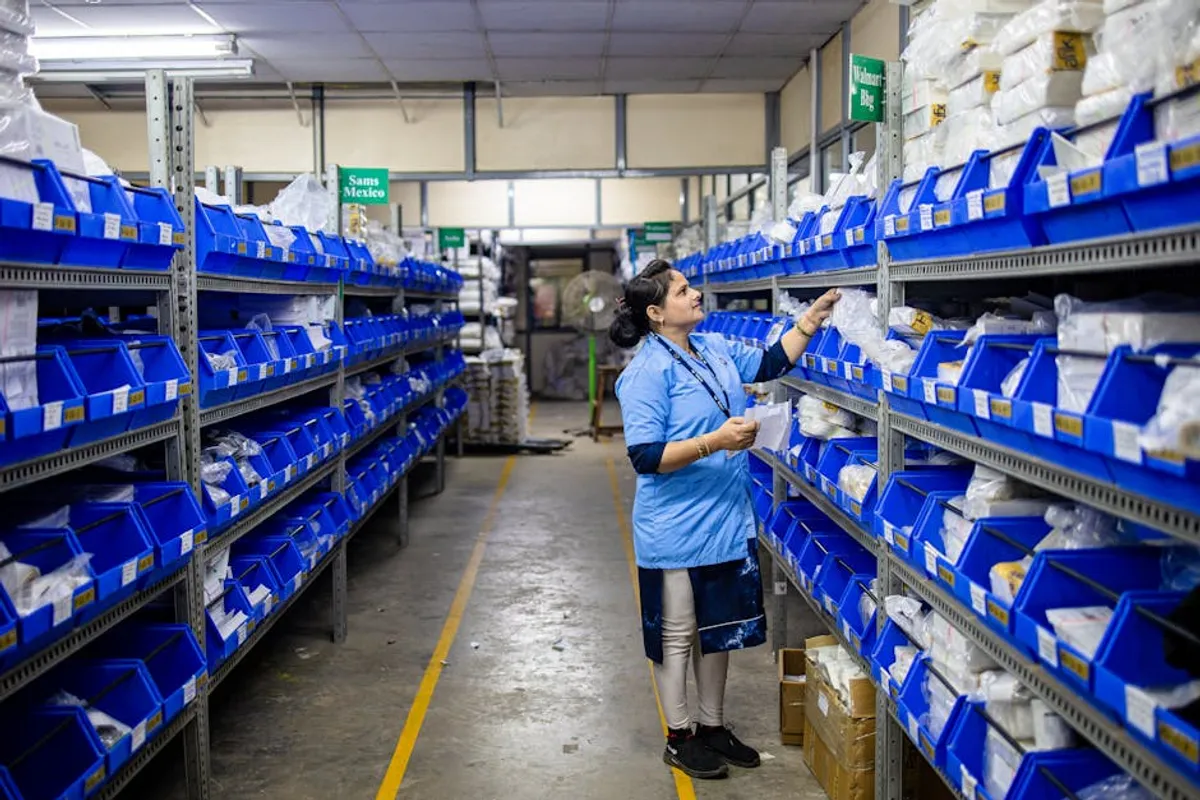
- Warehousing and Inventory Control: Specialized storage facilities that maintain controlled environments (temperature, humidity), manage expiry dates, and ensure inventory accuracy.
- Transportation and Distribution: Moving products via various modes (air, sea, road) with specialized carriers capable of handling sensitive cargo, often including cold chain capabilities.
- Last-Mile Delivery: The final leg of delivery to hospitals, clinics, pharmacies, or patients' homes, frequently requiring speed and precise scheduling.
- Reverse Logistics: Managing returns, recalls, waste disposal, and the recycling of medical devices or packaging in a compliant and environmentally sound manner.
Navigating Regulatory Frameworks
Regulatory compliance is a foundational pillar of healthcare logistics. Organizations must adhere to a complex web of international, national, and local regulations that govern product quality, safety, and traceability. Failure to comply can result in severe penalties, product recalls, and damage to reputation.
Temperature Control and Cold Chain Management
Many pharmaceutical products, vaccines, and biological samples require strict temperature control throughout their journey. This "cold chain" ensures product integrity and efficacy.
Operational Requirements:
- Defined Temperature Ranges: Products may require storage at refrigerated (2-8°C), frozen (-20°C), ultra-low (-70°C), or cryogenic (-150°C to -196°C) temperatures.
- Validated Equipment: Use of insulated containers, gel packs, dry ice, and active temperature-controlled units (refrigerated trucks, freezers).
- Continuous Monitoring: Data loggers and real-time IoT sensors track temperature excursions, providing auditable records for regulatory bodies.
- Contingency Planning: Protocols for power outages, equipment failures, or transport delays to protect temperature-sensitive cargo.
Security and Controlled Substances
High-value pharmaceuticals, controlled substances, and sensitive medical devices require enhanced security measures to prevent theft, tampering, or diversion. This includes secure storage facilities, tamper-evident packaging, GPS tracking, and strict chain-of-custody documentation.
Pro Tip: Proactively audit your logistics partners for their regulatory compliance documentation, especially for Good Distribution Practices (GDP) and cold chain validation. A single non-compliant link can compromise your entire supply chain and expose your organization to significant risk during an audit or product inspection.
Technological Integration for Efficiency
Technology plays a pivotal role in modern healthcare logistics, enabling greater visibility, efficiency, and compliance across the supply chain.
Real-time Tracking and Visibility
Advanced tracking systems, utilizing GPS, RFID, and IoT sensors, provide continuous visibility into the location and condition of shipments. This allows for proactive intervention in case of delays, temperature excursions, or security breaches. Digital platforms integrate this data, offering a consolidated view of the entire logistics network.
Data Analytics for Optimization
Logistics data, when analyzed effectively, can drive significant improvements. Predictive analytics can forecast demand fluctuations, optimize inventory levels, and identify potential bottlenecks before they impact operations. This data also supports route optimization, reducing transit times and fuel costs while enhancing on-time delivery rates.
Mitigating Supply Chain Risks
The healthcare supply chain is susceptible to various disruptions, from natural disasters and geopolitical events to manufacturing issues and pandemics. Robust risk management strategies are essential to ensure continuity of supply.
Contingency Planning and Redundancy
Developing comprehensive contingency plans involves identifying potential risks, establishing alternative suppliers or routes, and maintaining emergency stock levels. Redundancy in critical infrastructure, such as power backups for cold storage or multiple distribution centers, minimizes the impact of localized disruptions.
Balancing Cost and Service Delivery
Optimizing healthcare logistics involves a delicate balance between cost efficiency and maintaining high service levels, which directly impact patient outcomes. Effective logistics management reduces waste from spoilage or obsolescence, minimizes expedited shipping costs, and improves inventory turnover. Simultaneously, it ensures that critical medical supplies and pharmaceuticals reach their destinations reliably and on schedule, supporting timely patient care and clinical trial progress.
Strengthening Your Healthcare Logistics Framework
To enhance your healthcare logistics framework, focus on continuous improvement in three core areas: technology adoption, regulatory vigilance, and strategic partnerships. Invest in systems that provide granular visibility and predictive analytics. Regularly review and update your compliance protocols to align with evolving global and local regulations. Furthermore, cultivate strong relationships with logistics providers who possess specialized healthcare expertise, proven track records, and a shared commitment to quality and patient safety. These steps ensure your supply chain remains resilient, efficient, and fully compliant.
Frequently Asked Questions
What is the cold chain in healthcare logistics?
The cold chain refers to the temperature-controlled supply chain that maintains specific environmental conditions (e.g., 2-8°C, -20°C) for sensitive products like vaccines, biologicals, and certain pharmaceuticals from manufacturing through distribution to ensure their potency and integrity.
How do regulations impact pharmaceutical logistics?
Regulations, such as Good Distribution Practices (GDP), FDA guidelines, and country-specific laws, dictate everything from storage conditions and transportation methods to documentation, security, and traceability requirements, ensuring product quality and patient safety across the supply chain.
What role does technology play in optimizing healthcare supply chains?
Technology provides real-time tracking, temperature monitoring, inventory management, and data analytics capabilities. These tools enhance visibility, enable proactive issue resolution, optimize routes, predict demand, and ensure compliance by providing auditable records.
Why is reverse logistics important in healthcare?
Reverse logistics in healthcare manages the return, recall, or proper disposal of expired, damaged, or unused medical products and devices. It is crucial for maintaining regulatory compliance, preventing product diversion, and ensuring environmentally responsible waste management.