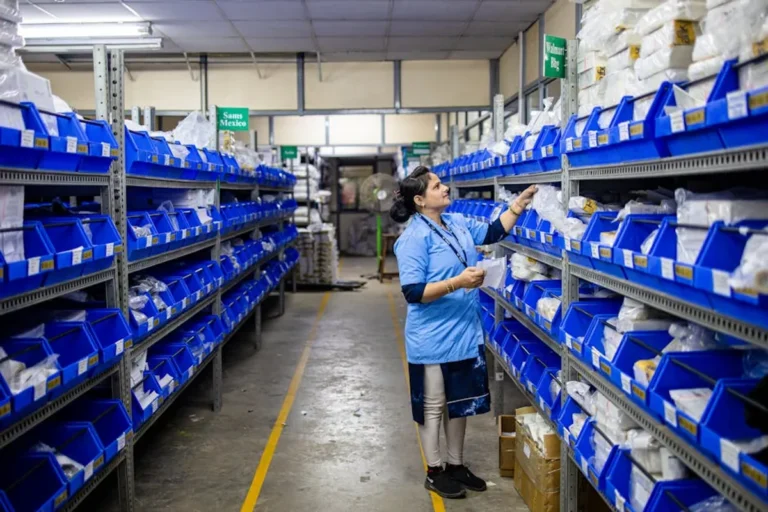

The operational landscape of healthcare is undergoing a fundamental shift, driven by increasing patient demands, complex supply chains, and the imperative for cost efficiency. Within this environment, logistics automation emerges not as an optional upgrade but as a strategic necessity. Decision-makers evaluating automation solutions must weigh the immediate capital investment against long-term gains in efficiency, patient safety, and regulatory compliance. The core challenge lies in transitioning from traditional, often manual, processes to integrated, data-driven systems that can manage everything from pharmaceutical distribution to medical device tracking, all while maintaining the highest standards of care.
Defining Logistics Automation in Healthcare
Logistics automation in healthcare refers to the application of technology and systems to streamline, optimize, and execute tasks within the healthcare supply chain with minimal human intervention. This encompasses a broad spectrum of activities, including inventory management, warehousing, transportation, and last-mile delivery of medical supplies, pharmaceuticals, and equipment. The objective is to enhance speed, accuracy, and reliability, directly impacting patient care and operational costs. Key technologies often deployed include robotics, artificial intelligence (AI), machine learning (ML), Internet of Things (IoT) sensors, and advanced software platforms for route optimization and demand forecasting.
Key Areas for Automation Implementation
Effective automation targets specific pain points within the healthcare logistics ecosystem, yielding tangible improvements when applied strategically.
Inventory Management and Tracking
Manual inventory processes are prone to human error, leading to stockouts, expired products, and overstocking—each with significant financial and patient care implications. Automation solutions here include:
- RFID and Barcode Systems: For real-time tracking of individual items, from high-value surgical instruments to pharmaceutical batches, ensuring accurate stock levels and preventing loss.
- Automated Dispensing Cabinets (ADCs): Securely store and track medications at the point of care, reducing dispensing errors and improving nurse efficiency.
- IoT Sensors: Monitor environmental conditions (temperature, humidity) for sensitive products like vaccines and biologics, ensuring compliance with storage regulations.
- Demand Forecasting Software: Utilizes historical data and predictive analytics to optimize ordering, minimizing waste and ensuring critical supplies are always available.
Warehouse Operations
Healthcare warehouses manage a diverse range of products requiring specific handling, storage, and retrieval protocols. Automation transforms these facilities into highly efficient hubs:
- Automated Storage and Retrieval Systems (AS/RS): Robotics and shuttles manage product placement and retrieval, maximizing storage density and accelerating pick-and-pack processes.
- Robotic Process Automation (RPA): Automates administrative tasks such as order processing, invoice matching, and data entry, freeing human staff for more complex oversight.
- Conveyor Systems and Automated Guided Vehicles (AGVs): Transport goods within the warehouse, reducing manual labor and improving throughput.
Transportation and Delivery
The movement of goods between facilities, to clinics, and even directly to patients presents complex logistical challenges, particularly for time-sensitive or temperature-controlled items.
- Route Optimization Software: Analyzes traffic, delivery windows, and vehicle capacity to generate the most efficient delivery routes, reducing fuel costs and transit times.
- Real-time Tracking and Telematics: Provides visibility into shipment location and condition, enabling proactive problem-solving and ensuring cold chain integrity.
- Autonomous Delivery Vehicles/Drones: While still emerging, these technologies offer potential for rapid, cost-effective last-mile delivery, especially in remote or congested urban areas.
Tangible Benefits of Automation in Healthcare Logistics
The adoption of logistics automation delivers quantifiable advantages across several critical operational dimensions.
Efficiency Gains and Cost Reduction
Automating repetitive tasks significantly reduces labor costs and improves operational speed. For instance, an AS/RS can retrieve items far faster and more accurately than human operators, leading to quicker order fulfillment and reduced overtime expenses. Optimized delivery routes cut fuel consumption and vehicle maintenance costs. Reduced errors in inventory management minimize losses from expired products or stockouts that necessitate expensive rush orders.
Enhanced Patient Safety and Compliance
Automation minimizes human error, a critical factor in medication dispensing and surgical supply management. Automated dispensing cabinets reduce the risk of administering the wrong medication or dosage. Real-time monitoring of storage conditions for temperature-sensitive drugs ensures product efficacy and patient safety. Furthermore, automated tracking systems provide an immutable audit trail, simplifying regulatory compliance and recall management.
Improved Supply Chain Resilience
A highly automated supply chain is inherently more adaptable and resilient to disruptions. Predictive analytics can anticipate demand surges or potential supply shortages, allowing for proactive adjustments. Diversified and optimized delivery networks, managed by automation software, can quickly reroute shipments around unforeseen obstacles, maintaining continuity of supply even during crises.
Pro Tip: Prioritize data integrity from the outset. The effectiveness of any automation system, particularly those leveraging AI and machine learning for demand forecasting or route optimization, is directly proportional to the quality and consistency of the data it processes. Invest in robust data collection, validation, and integration strategies before scaling automation efforts to avoid propagating errors and undermining system reliability.
Strategic Implementation: A Phased Approach
Implementing logistics automation is a significant undertaking that benefits from a structured, phased approach. Begin with a thorough assessment of current processes to identify bottlenecks and areas with the highest potential for improvement and return on investment. Pilot programs in specific departments or for particular product lines allow for testing, refinement, and demonstrating value before a broader rollout. This incremental strategy helps manage costs, mitigates risks, and facilitates organizational adaptation.
Navigating the Future of Healthcare Logistics
The trajectory of logistics automation in healthcare points towards increasingly intelligent, interconnected, and autonomous systems. Organizations that embrace these technologies will be better positioned to manage escalating operational complexities, control costs, and ultimately, deliver superior patient care. The focus must remain on strategic integration, ensuring that technological advancements serve the overarching goals of efficiency, safety, and resilience within the healthcare supply chain.
Frequently Asked Questions
What is the primary goal of logistics automation in healthcare?
The primary goal is to enhance the efficiency, accuracy, and reliability of the healthcare supply chain, leading to reduced operational costs, improved patient safety, and greater resilience against disruptions.
Which technologies are central to healthcare logistics automation?
Key technologies include robotics (e.g., AS/RS, AGVs), artificial intelligence and machine learning for predictive analytics, IoT sensors for real-time monitoring, and advanced software for inventory management, route optimization, and process automation.
How does automation improve patient safety in healthcare logistics?
Automation minimizes human error in critical tasks like medication dispensing and storage condition monitoring, ensuring products are handled correctly, reducing the risk of administering incorrect or compromised items, and maintaining compliance with safety regulations.
What are the main challenges in adopting healthcare logistics automation?
Significant challenges include the initial capital investment required for new technologies, the complexity of integrating diverse systems, the need for workforce training and adaptation to new roles, and navigating stringent regulatory compliance specific to healthcare.