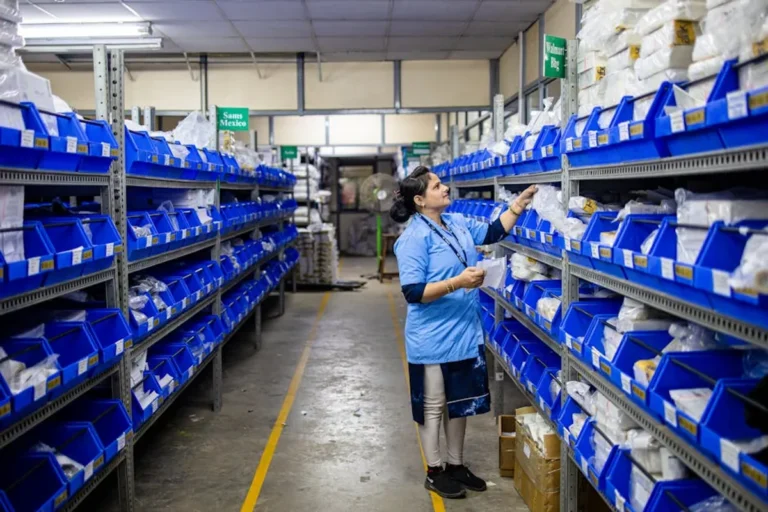

Selecting the optimal packaging material is a critical decision that directly impacts product integrity, supply chain efficiency, brand perception, and overall cost. The choice extends beyond mere protection, influencing everything from freight expenses and warehouse footprint to customer satisfaction and environmental compliance. Businesses must weigh a complex interplay of factors, including product fragility, shipping environment, regulatory requirements, sustainability goals, and budget constraints. A material that excels in cushioning might fall short on moisture resistance, while a premium option could over-engineer protection for a durable item. Understanding the specific characteristics and applications of various packaging materials allows for informed decisions that balance performance with commercial viability.
Factors to Consider When Choosing Packaging Materials
Effective packaging material selection requires a systematic approach, evaluating product needs against material capabilities and operational realities. Key considerations include:
- Product Characteristics: Assess size, weight, fragility, shape, and sensitivity to environmental factors like moisture, temperature, or static. Fragile items demand high cushioning, while heavy goods require structural strength.
- Protection Requirements: Determine the necessary level of protection against impact, vibration, compression, abrasion, moisture, dust, and temperature fluctuations throughout the entire supply chain, from manufacturing to end-user delivery.
- Shipping and Handling Environment: Consider the modes of transport (air, sea, road), handling methods (manual, automated), and storage conditions. Packaging for international shipping often requires greater durability and compliance with specific regulations.
- Cost Implications: Evaluate the total cost of ownership, including material purchase price, labor for packing, shipping weight and volume, storage, and potential damage claims. Cheaper materials might lead to higher overall costs if they result in product damage.
- Sustainability Goals: Prioritize materials that align with environmental objectives, such as those that are recyclable, compostable, biodegradable, made from recycled content, or designed for reusability. This also includes minimizing material usage.
- Brand Image and Customer Experience: Packaging is often the first physical interaction a customer has with a product. Consider how the material contributes to the unboxing experience, brand aesthetics, and perceived value.
- Regulatory Compliance: Ensure materials meet industry-specific standards, food safety regulations (if applicable), and international shipping requirements (e.g., ISPM 15 for wood pallets).
- Supply Chain Efficiency: Assess how easily the material integrates into existing packing processes, its availability, lead times, and storage requirements within your facilities.
1. Corrugated Cardboard
Corrugated cardboard is a ubiquitous packaging material, distinguished by its fluted layer (the corrugated medium) sandwiched between two flat linerboards. This structure provides significant strength-to-weight ratio, offering cushioning and compression resistance. Available in various flute sizes (A, B, C, E, F, G) and board grades (single-wall, double-wall, triple-wall), it can be tailored for diverse applications, from lightweight product boxes to heavy-duty shipping containers. Its versatility extends to custom die-cut inserts and structural designs, making it a foundation for protective packaging.
Best for: Shipping boxes, retail packaging, product displays, void fill (when shredded), and protective inserts for a wide range of products, particularly those requiring stacking strength and moderate impact protection.
Pros:
- High strength-to-weight ratio offers effective protection without excessive bulk.
- Recyclable and often made from recycled content, supporting sustainability goals.
- Cost-effective for large-volume production and readily available.
- Versatile; can be cut, folded, and printed to create custom shapes and branding.
- Provides good cushioning against minor impacts and vibrations.
Cons:
- Susceptible to moisture damage, which compromises its structural integrity.
- Limited thermal insulation properties.
- Less effective for very heavy or extremely fragile items without additional internal packaging.
- Dust and particulate generation from friction can be an issue for sensitive electronics.
Verdict: An indispensable, economical choice for general shipping and retail packaging, offering a balance of protection, sustainability, and customizability, provided moisture exposure is controlled.
2. Plastic Films (Stretch & Shrink Wrap)
Plastic films, predominantly made from polyethylene (PE) or polypropylene (PP), serve critical functions in packaging, primarily for unitization, protection against dust and moisture, and tamper evidence. Stretch wrap is highly elastic, used to secure pallets of goods for transit, preventing shifting and providing load stability. Shrink wrap, conversely, is applied loosely and then heated to conform tightly to the product's shape, creating a protective barrier and often enhancing product presentation. These films come in various gauges and formulations to meet specific strength and barrier requirements.
Best for: Pallet wrapping, bundling multiple items, protecting products from dust and moisture, creating tamper-evident seals, and retail display packaging for items like food, electronics, and consumer goods.
Pros:
- Excellent moisture and dust barrier, keeping products clean and dry.
- Provides load stability for palletized goods, reducing transit damage.
- Cost-effective for securing and protecting large volumes of products.
- Lightweight, adding minimal weight to shipments.
- Offers tamper evidence, enhancing product security.
Cons:
- Primarily made from virgin plastics, posing environmental concerns if not recycled properly.
- Offers minimal cushioning against impact or compression.
- Can be difficult for consumers to open without tools.
- Static cling can be an issue for some applications.
Verdict: Essential for logistical efficiency and basic product protection, especially for palletized goods and moisture-sensitive items, but requires careful consideration of end-of-life disposal.
3. Bubble Wrap
Bubble wrap is a flexible plastic sheeting containing numerous small air-filled pockets (bubbles) that act as cushions against impact. Typically made from low-density polyethylene (LDPE), it is designed to absorb shock and vibration during transit. The size of the air bubbles varies, allowing for different levels of cushioning, from small bubbles for surface protection to large bubbles for heavy-duty void fill. It is often used as a primary wrap, interleaving, or void fill to prevent items from shifting and colliding within a larger package.
Best for: Cushioning fragile or delicate items like electronics, glassware, ceramics, and artwork; surface protection against scratches and abrasion; and lightweight void fill.
Pros:
- Exceptional shock absorption and cushioning properties.
- Lightweight, adding minimal shipping weight.
- Flexible, conforming easily to irregular shapes.
- Provides some insulation against temperature changes.
- Reusable for light-duty applications.
Cons:
- Made from non-biodegradable plastics, contributing to landfill waste if not recycled.
- Can be bulky to store, especially in large rolls.
- Offers limited compression strength; repeated impacts can deflate bubbles.
- Less effective for very heavy items that require rigid blocking and bracing.
Verdict: A highly effective and economical solution for protecting fragile goods from impact and abrasion, best utilized when combined with a sturdy outer container and proper void fill strategies.
4. Foam Packaging (EPS & EPE)
Foam packaging, commonly Expanded Polystyrene (EPS) or Expanded Polyethylene (EPE), provides superior shock absorption and blocking/bracing capabilities. EPS, often recognized as "Styrofoam," is rigid and lightweight, offering excellent compression strength for fixed positioning. EPE is more flexible and resilient, recovering better after impact, making it suitable for multi-impact protection. These foams are typically custom-molded or fabricated into inserts, corners, and end caps to precisely fit and secure products within an outer container, preventing movement and absorbing energy from drops.
Best for: High-value, fragile, or heavy items requiring precise blocking, bracing, and high-level shock protection, such as electronics, medical equipment, automotive parts, and appliances.
Pros:
- Exceptional shock absorption and vibration dampening.
- Customizable to precisely fit product contours, ensuring secure placement.
- Lightweight, minimizing shipping costs despite robust protection.
- Good thermal insulation properties.
- High compression strength (EPS) or multi-impact resilience (EPE).
Cons:
- Environmental concerns due to non-biodegradable nature and recycling challenges for EPS.
- Can be more expensive than other cushioning materials, especially for custom molds.
- Bulky to store and transport before use.
- Limited aesthetic appeal for direct consumer-facing packaging.
Verdict: The preferred choice for critical protection of sensitive and high-value goods, offering unparalleled cushioning and product security, despite its environmental footprint and cost implications.
5. Molded Pulp
Molded pulp packaging is produced from recycled paperboard and newsprint, formed into custom shapes using a molding process. It is an eco-friendly alternative to foam or plastic inserts, offering excellent cushioning and blocking capabilities. The material's fibrous structure provides inherent shock absorption, and its ability to be molded into intricate designs allows for precise product fit. It is commonly seen in egg cartons, cup carriers, and industrial packaging for electronics and automotive components.
Best for: Sustainable packaging solutions for products requiring custom-fit cushioning and blocking, including electronics, cosmetics, produce, and consumer goods where eco-friendliness is a priority.
Pros:
- Highly sustainable; made from 100% recycled materials and is biodegradable/compostable.
- Offers good cushioning and protection against impact and vibration.
- Customizable to precisely fit product contours, minimizing movement.
- Cost-effective for high-volume production once tooling is developed.
- Enhances brand image through its natural, eco-conscious aesthetic.
Cons:
- Susceptible to moisture degradation, reducing its protective properties.
- Less resilient than foam for repeated impacts or very heavy loads.
- Tooling costs for custom molds can be high for smaller production runs.
- Can be bulky, impacting storage and shipping efficiency.
Verdict: An excellent sustainable choice for protective packaging, offering a compelling balance of environmental responsibility and effective cushioning for a wide range of products, particularly those sensitive to brand image.
6. Kraft Paper (Rolls & Sheets)
Kraft paper, derived from wood pulp, is a strong, durable, and versatile packaging material. Its high tensile strength makes it resistant to tearing, a key advantage for wrapping and void fill applications. Available in various weights and finishes (e.g., natural brown, bleached, waxed), it can serve as a protective barrier against scratches, a cushioning agent when crumpled, or a dunnage material to fill empty spaces within a box. Its natural aesthetic also lends itself well to rustic or eco-conscious branding.
Best for: Void fill, wrapping products for surface protection, interleaving, bundling, and light cushioning for non-fragile to moderately fragile items, especially in e-commerce and retail environments.
Pros:
- Economical and widely available.
- Made from renewable resources and is biodegradable/recyclable.
- Strong and tear-resistant, offering good surface protection.
- Versatile for various applications, from wrapping to void fill.
- Lightweight, adding minimal shipping cost.
Cons:
- Offers limited cushioning compared to foam or bubble wrap.
- Does not provide significant protection against heavy impacts or drops.
- Susceptible to moisture damage.
- Can be labor-intensive to crumple and place effectively for void fill.
Verdict: A cost-effective and environmentally friendly option for basic product protection and void fill, particularly useful for non-fragile items or as a secondary protective layer.
7. Air Pillows/Cushions
Air pillows are lightweight, inflatable plastic bags filled with air, primarily used as void fill to prevent products from shifting during transit. They are typically made from polyethylene film and can be inflated on-demand at the packing station, significantly reducing storage space requirements compared to traditional void fill materials like packing peanuts. Their air-filled structure provides cushioning and shock absorption, while their light weight minimizes shipping costs.
Best for: Void fill for a wide range of products, particularly in e-commerce and fulfillment operations where minimizing shipping weight and maximizing packing efficiency are critical.
Pros:
- Extremely lightweight, significantly reducing shipping costs.
- Inflated on-demand, saving considerable warehouse storage space.
- Provides effective void fill and some cushioning against movement.
- Clean and dust-free compared to loose fill materials.
- Can be made from recycled content or be recyclable in some areas.
Cons:
- Primarily made from plastic, raising environmental concerns if not recycled.
- Offers less impact protection than foam or bubble wrap for fragile items.
- Can deflate if punctured, compromising protection.
- Requires an air machine for inflation, an initial capital investment.
Verdict: A highly efficient and cost-effective solution for void fill and light cushioning, particularly advantageous for e-commerce operations seeking to optimize space and reduce shipping weight.
8. Biodegradable/Compostable Plastics (PLA, PHA)
Biodegradable and compostable plastics, such as Polylactic Acid (PLA) or Polyhydroxyalkanoates (PHA), are derived from renewable biomass sources like corn starch, sugarcane, or vegetable oils. Unlike traditional petroleum-based plastics, these materials are designed to break down into natural components under specific conditions, reducing long-term environmental impact. They are used for films, trays, containers, and cutlery, offering a sustainable alternative for applications where traditional plastics are common.
Best for: Packaging where environmental impact is a primary concern, including food service, fresh produce, consumer goods, and single-use applications requiring a plastic-like feel and function.
Pros:
- Reduced environmental footprint; derived from renewable resources and designed to biodegrade or compost.
- Offers similar functionality to conventional plastics in terms of barrier properties (for some types) and formability.
- Aligns with corporate sustainability initiatives and consumer demand for eco-friendly products.
- Can be used for films, rigid containers, and molded shapes.
Cons:
- Requires specific industrial composting conditions to biodegrade, which are not universally available.
- Can be more expensive than traditional plastics.
- Performance characteristics (e.g., heat resistance, shelf life) may differ from conventional plastics.
- Risk of contamination in conventional plastic recycling streams if not properly separated.
Verdict: A forward-thinking choice for brands committed to sustainability, offering a viable plastic alternative, though its effectiveness hinges on the availability of appropriate end-of-life infrastructure.
9. Glass
Glass is a rigid, non-porous material known for its inertness, clarity, and barrier properties. Made primarily from sand, soda ash, and limestone, it is highly recyclable and provides an excellent barrier against gases, moisture, and odors. Its transparency allows for product visibility, while its weight and rigidity convey a sense of quality and premium value. Glass is widely used for food, beverages, pharmaceuticals, and cosmetics where product integrity and aesthetic appeal are paramount.
Best for: Beverages, food products (especially those requiring long shelf life or high barrier protection), pharmaceuticals, cosmetics, and luxury goods where premium presentation and inertness are critical.
Pros:
- Excellent barrier properties against gases, moisture, and odors, preserving product freshness.
- Inert and non-reactive, preventing chemical leaching into contents.
- Highly recyclable and can be recycled indefinitely without loss of quality.
- Premium aesthetic and transparency enhance product visibility and perceived value.
- Provides rigidity and protection for certain products.
Cons:
- Heavy, significantly increasing shipping costs and carbon footprint.
- Fragile and prone to breakage, requiring substantial protective outer packaging.
- Higher manufacturing costs compared to plastics.
- Safety concerns due to potential for shattering.
Verdict: An ideal choice for products demanding superior barrier protection, inertness, and a premium brand image, provided its weight and fragility are managed through robust secondary and tertiary packaging.
10. Metal (Aluminum & Steel)
Metal packaging, primarily aluminum and steel, offers unparalleled barrier protection, strength, and durability. Aluminum is lightweight, corrosion-resistant, and highly malleable, making it suitable for cans, foils, and collapsible tubes. Steel, particularly tin-plated steel, is stronger and more rigid, used for food cans, aerosols, and industrial containers. Both metals provide a complete barrier against light, oxygen, moisture, and contaminants, ensuring long shelf life and product integrity. They are also highly recyclable, contributing to a circular economy.
Best for: Food (canned goods), beverages (cans), aerosols, industrial chemicals, paints, and luxury goods where maximum barrier protection, durability, and a premium feel are required.
Pros:
- Superior barrier properties against light, oxygen, and moisture, extending shelf life.
- Exceptional strength and durability, protecting contents from physical damage.
- Highly recyclable, with high recycling rates for cans.
- Lightweight (aluminum) for reduced shipping costs.
- Conveys a premium or industrial aesthetic, depending on application.
Cons:
- Can be more expensive than plastic or paper alternatives.
- Susceptible to dents and dings, impacting aesthetic appeal.
- Heavier than plastic (steel), increasing shipping costs.
- Limited transparency, preventing product visibility.
Verdict: The go-to material for products requiring ultimate barrier protection, extended shelf life, and robust physical durability, with the added benefit of high recyclability, despite its cost and weight considerations.
11. Wood
Wood packaging encompasses a range of solutions from pallets and crates to specialty boxes and dunnage. It is a robust, renewable material known for its high strength, rigidity, and capacity to bear heavy loads. Wood is particularly favored for shipping large, heavy, or irregularly shaped industrial goods, as well as for its rustic aesthetic in some consumer applications. It can be custom-fabricated to provide precise support and protection, and many wood products are reusable or recyclable.
Best for: Heavy industrial equipment, machinery, large or bulky items, international shipping (crates, pallets), and specialty goods requiring extreme structural integrity and protection.
Pros:
- Exceptional strength and rigidity for heavy and oversized items.
- Durable and often reusable, extending its life cycle.
- Made from a renewable resource.
- Customizable for specific product dimensions and protection needs.
- Compliant with international shipping regulations (ISPM 15 for treated wood).
Cons:
- Heavy, significantly increasing shipping weight and costs.
- Can be susceptible to moisture, pests, and mold if untreated.
- Less aesthetically refined for direct consumer packaging (typically).
- Splinters and sharp edges can pose handling risks.
- Higher material and labor costs compared to cardboard for similar volumes.
Verdict: The definitive choice for heavy-duty, industrial, and international shipping applications where structural integrity, load-bearing capacity, and reusability are paramount, provided its weight and potential for pest issues are managed.
12. Flexible Pouches & Stand-up Bags
Flexible pouches and stand-up bags are multi-layered packaging solutions typically constructed from various plastic films, sometimes with foil or paper layers, to achieve specific barrier properties. These materials offer a lightweight, space-efficient, and often resealable alternative to rigid containers. They are designed to protect contents from moisture, oxygen, and light while minimizing material usage. Their ability to stand upright on shelves enhances retail display, and their reduced weight contributes to lower shipping costs.