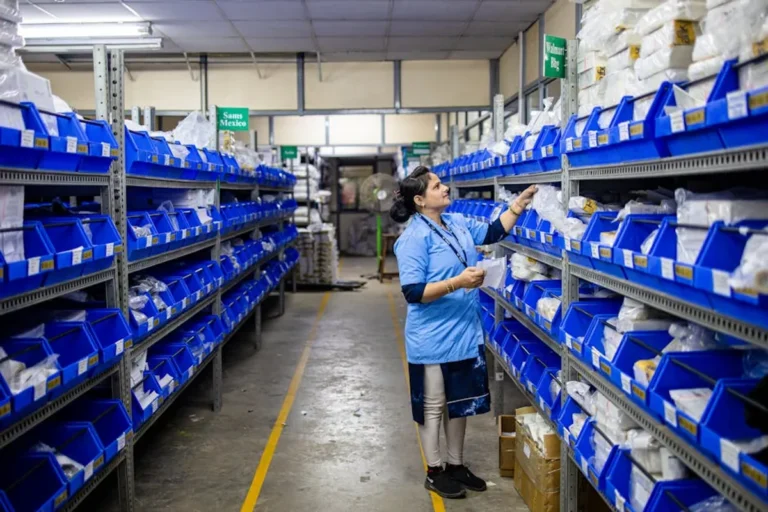

Handling urgent medical shipments demands precision, speed, and strict adherence to regulatory frameworks. Unlike standard logistics, the cargo often represents critical patient care, ongoing research, or time-sensitive diagnostic materials where delays or mishandling can have severe, irreversible consequences. This operational reality necessitates a specialized approach, integrating advanced planning, robust technology, and a deep understanding of unique logistical challenges. The goal is not merely timely delivery, but compliant, secure, and condition-controlled transport that preserves the integrity and efficacy of the medical goods from origin to destination. This operational reality necessitates a specialized approach, integrating advanced planning, robust technology, and a deep understanding of unique logistical challenges, often leveraging specialized medical courier services for seamless transit.
Defining Urgency in Medical Logistics
The term "urgent" in medical logistics is not solely defined by speed, but by the potential impact of delay or deviation on patient outcomes or scientific validity. This often involves a confluence of factors, including product stability, regulatory requirements, and the immediate need at the receiving end.
Categorizing Medical Shipments by Time Sensitivity
Urgent medical shipments generally fall into several categories, each with distinct time and handling imperatives:
- Life-Saving Medications/Devices: These shipments, often for emergency surgeries or critical patient interventions, require the fastest possible transit, frequently bypassing standard shipping lanes.
- Clinical Trial Materials: Samples, biologics, and investigational drugs for clinical trials are highly time-sensitive due to strict study protocols and limited stability windows, often requiring precise temperature control and rapid turnaround for analysis.
- Organ Transplants/Blood Products: These are among the most critical, with extremely short viability windows, necessitating direct, expedited transport and continuous monitoring.
- Diagnostic Samples: Lab samples for immediate analysis (e.g., pathology, infectious disease testing) require rapid transport to prevent degradation and ensure timely diagnosis.
- Research Specimens: While some research materials have longer stability, many delicate biological samples demand controlled environments and swift delivery to maintain scientific integrity.
Regulatory Compliance: A Non-Negotiable Foundation
The transportation of medical goods is heavily regulated, and urgent shipments are no exception. Non-compliance can result in severe penalties, delays, and compromise product efficacy. Understanding and adhering to these regulations is paramount for any urgent medical logistics operation. Non-compliance can result in severe penalties, delays, and compromise product efficacy, making navigating these complex rules paramount for any urgent medical logistics operation.
Key Regulations Impacting Urgent Medical Transport
Multiple international and national bodies govern the transport of medical materials:
- IATA (International Air Transport Association) Dangerous Goods Regulations: Essential for air freight, this covers hazardous materials, including many biological substances (e.g., UN 3373, UN 2814, UN 2900) and dry ice (UN 1845). Proper classification, packaging, labeling, and documentation are critical.
- DOT (Department of Transportation) Regulations: In the United States, DOT regulations address ground transport of hazardous materials, mirroring many IATA requirements for classification and handling.
- FDA (Food and Drug Administration) Regulations: For pharmaceuticals and medical devices, FDA regulations (e.g., 21 CFR Part 205 for prescription drug wholesale distributors) mandate proper storage, handling, and record-keeping to maintain product quality and integrity throughout the supply chain.
- Good Distribution Practices (GDP): An international standard, GDP ensures that the quality and integrity of medicinal products are maintained throughout the supply chain, covering aspects like storage, transport, and documentation.
Pro Tip: Always verify that all involved carriers and logistics partners possess current certifications and demonstrable expertise in handling specific classes of medical dangerous goods and temperature-controlled freight. Relying on general freight forwarders without specialized medical logistics experience increases compliance risk significantly.
Specialized Handling Requirements
Beyond regulatory compliance, urgent medical shipments often demand specific physical handling to preserve their viability and safety.
Temperature Control and Monitoring
Many medical products are temperature-sensitive, requiring strict cold chain management. This can range from controlled room temperature (CRT, 15-25°C), to refrigerated (2-8°C), frozen (-20°C), or even cryogenic (-150°C and below). Active or passive temperature-controlled packaging, combined with real-time temperature monitoring devices, are indispensable. Data loggers provide verifiable temperature records throughout transit, crucial for quality assurance and regulatory audits.
Packaging and Containment Protocols
Specialized packaging is essential for protecting sensitive medical contents. This includes insulated containers, phase change materials (PCMs), gel packs, and dry ice. For infectious substances or diagnostic specimens, UN 3373 compliant packaging, which typically involves primary receptacle, secondary packaging, and robust outer packaging, is mandatory to prevent leakage and exposure. Proper cushioning and shock absorption are also critical for delicate instruments or vials.
Security and Chain of Custody
High-value or critical medical shipments require enhanced security measures. This includes tamper-evident seals, secure storage at transit points, and a clear, unbroken chain of custody documentation. Each transfer point, from pickup to final delivery, must be recorded and verified, ensuring accountability and preventing unauthorized access or diversion.
Optimizing Carrier Selection and Route Planning
The choice of carrier and the meticulously planned route are decisive factors in the success of an urgent medical shipment.
Assessing Carrier Capabilities
Selecting a carrier for urgent medical logistics requires evaluating their specific infrastructure and experience. Key considerations include:
- Specialized Fleet: Access to temperature-controlled vehicles and aircraft.
- 24/7 Operations: Ability to dispatch and track shipments around the clock.
- Dedicated Medical Desks: Personnel trained specifically in medical logistics and regulatory nuances.
- Global Network: Reach and expertise in international customs and regulatory clearances.
- Contingency Planning: Documented procedures for managing delays, weather events, or equipment failures.
Strategic Route Optimization
Route planning for urgent medical shipments prioritizes directness and minimizes transit points. This involves selecting routes with fewer transfers, shorter layovers, and direct flights where possible. For ground transport, real-time traffic and weather data integration can help reroute vehicles to avoid delays, ensuring the fastest possible delivery while maintaining optimal conditions.
Leveraging Technology for Real-Time Visibility
Technology plays a pivotal role in managing the inherent risks and complexities of urgent medical shipments, providing critical data and enabling proactive intervention.
Tracking and Alert Systems
Advanced tracking systems offer real-time GPS location data, providing continuous visibility of the shipment's progress. Integrated with environmental sensors, these systems can also monitor temperature, humidity, and shock. Automated alert systems notify stakeholders immediately via SMS or email if a shipment deviates from its planned route, experiences a temperature excursion, or faces unexpected delays, allowing for rapid response and mitigation.
Data Integration for Proactive Management
Integrating tracking data with inventory management and enterprise resource planning (ERP) systems provides a holistic view of the supply chain. This allows for predictive analytics, identifying potential bottlenecks or risks before they impact delivery. Data on transit times, temperature adherence, and delivery success rates can inform future logistics planning and carrier performance evaluations, driving continuous improvement.
Establishing Robust Contingency Plans
Despite meticulous planning, unforeseen events can occur. A comprehensive contingency plan is essential to mitigate disruptions and ensure critical shipments still reach their destination.
Anticipating Disruptions
Contingency planning begins with identifying potential points of failure: adverse weather, customs delays, mechanical failures, labor disputes, or unexpected route closures. For each identified risk, a predefined alternative course of action should be established.
Emergency Response Protocols
A clear emergency response protocol outlines step-by-step actions for various scenarios. This includes alternative transport modes (e.g., switching from air to ground, or utilizing charter services), backup packaging and cooling solutions, and clear communication channels with all stakeholders. Having pre-approved alternative carriers or routes can significantly reduce response times during critical incidents.
Streamlining Urgent Medical Logistics
Effective management of urgent medical shipments is a continuous process of planning, execution, monitoring, and adaptation. It demands a specialized infrastructure, a deep understanding of regulatory landscapes, and the strategic application of technology. By focusing on compliant handling, robust contingency planning, and real-time visibility, organizations can ensure the safe and timely delivery of critical medical goods, directly supporting patient care and scientific advancement.
Frequently Asked Questions
What defines an "urgent" medical shipment?
An urgent medical shipment is characterized by its time-critical nature and the high impact of any delay or deviation on patient care, research outcomes, or product viability. This often involves strict temperature requirements, short stability windows, and regulatory mandates.
What are the most common risks associated with urgent medical shipments?
Common risks include temperature excursions, transit delays, customs holdups, damage during handling, and security breaches. Each of these can compromise product integrity, lead to regulatory non-compliance, or jeopardize patient outcomes.
How important is real-time tracking for these shipments?
Real-time tracking is critical for urgent medical shipments because it provides immediate visibility into location and environmental conditions. This allows for proactive intervention if issues arise, such as rerouting due to delays or addressing temperature deviations, thereby preserving the integrity of the sensitive cargo.
What role do regulations play in urgent medical logistics?
Regulations from bodies like IATA, DOT, and FDA are foundational. They dictate proper classification, packaging, labeling, documentation, and handling procedures for medical goods, especially those deemed hazardous or requiring strict temperature control. Adherence ensures safety, compliance, and product efficacy.