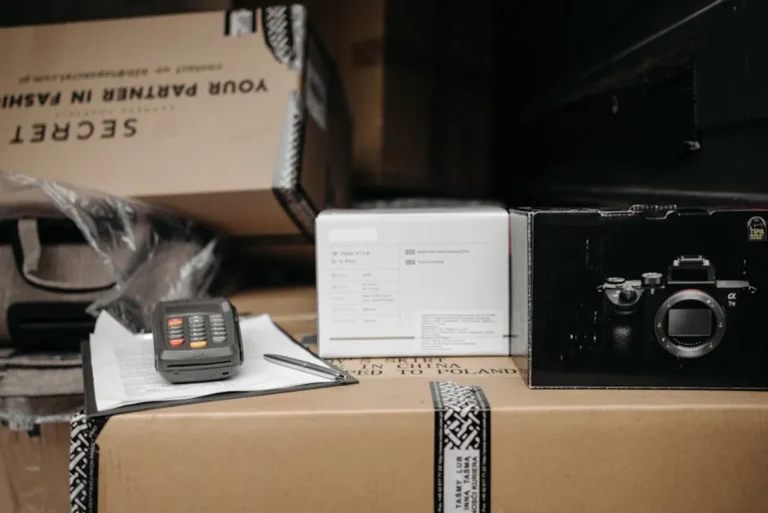

Effective shipment documentation transcends mere administrative compliance; it’s a foundational pillar for operational efficiency, risk mitigation, and financial accountability in any business moving goods. Meticulous record-keeping ensures legal adherence, streamlines customs processes, and provides an indisputable audit trail for every item transported. Without precise documentation, businesses expose themselves to costly delays, customs penalties, lost inventory, and protracted dispute resolution. This guide outlines the critical components and processes for establishing a robust shipment documentation system, designed to safeguard assets and optimize supply chain performance.
Essential Documents for Every Shipment
Proper documentation begins with understanding the core papers required for goods movement, each serving a distinct legal and logistical purpose. Missing or incorrect details on any of these can lead to significant disruptions.
Bill of Lading (BOL) / Air Waybill (AWB)
The Bill of Lading (for ocean and road freight) or Air Waybill (for air freight) acts as a contract of carriage between the shipper and the carrier. It details the type, quantity, and destination of the goods, serving as a receipt of freight services, a document of title (for BOLs), and a contract term sheet. Accuracy here is paramount for legal clarity and freight claim processing.
Commercial Invoice
This document is a formal demand for payment from the seller to the buyer. It describes the goods, their value, terms of sale, and payment conditions. For international shipments, the commercial invoice is critical for customs declarations, duty, and tax calculations, requiring precise commodity descriptions and Harmonized System (HS) codes.
Packing List
A packing list itemizes the contents of each package within a shipment, including dimensions, weight, and quantity. Unlike the commercial invoice, it typically doesn't include pricing information. Its primary use is for customs to verify cargo, for warehouses to check received goods, and for carriers to manage cargo space efficiently.
Certificate of Origin
This document certifies the country where the goods were manufactured or produced. It’s often required for international trade agreements, preferential duty rates, and import regulations. The certificate must be issued by a recognized authority or the manufacturer, depending on the destination country's requirements.
Export/Import Declarations
Government agencies in both exporting and importing countries require specific declarations to control and monitor the flow of goods across borders. These forms, such as the Electronic Export Information (EEI) in the U.S., provide data on the value, type, and destination of goods for statistical and security purposes.
Proof of Delivery (POD)
The POD is a signed document from the consignee confirming receipt of the goods. It typically includes the delivery date, time, and the recipient's signature. This document is crucial for confirming successful delivery, resolving disputes, and initiating payment cycles, serving as the final verification point in the shipping process.
Implementing an Effective Documentation Workflow
A systematic approach to documentation ensures consistency, reduces errors, and facilitates rapid information retrieval. This requires defined stages and clear responsibilities.
Pre-Shipment Data Collection
Before any goods move, gather all necessary information: consignor and consignee details, accurate product descriptions, weights, dimensions, value, and any special handling instructions. This initial data forms the basis for all subsequent documentation and minimizes last-minute corrections that can cause delays.
Real-time Tracking and Updates
The documentation process does not end when goods leave the dock. It’s essential to capture and record any changes during transit, such as reroutes, delays, or damage. Integrating tracking data with documentation systems provides a comprehensive, up-to-date record of the shipment's journey, crucial for proactive problem-solving and customer communication.
Pro Tip: Establish a standardized data entry protocol across all teams involved in shipping. Inconsistent abbreviations, units of measure, or formatting can lead to misinterpretations, customs rejections, and costly delays. A single source of truth for product data and shipping terms prevents these common errors.
Post-Shipment Archiving and Accessibility
Once a shipment is complete, all associated documents must be securely archived. Retention periods vary by jurisdiction and document type, often ranging from three to seven years. Implement a system that allows for easy retrieval of specific records for audits, compliance checks, or dispute resolution, ensuring data integrity and availability.
Leveraging Digital Solutions for Documentation
Transitioning from paper-heavy processes to digital platforms significantly enhances efficiency, accuracy, and accessibility in shipment documentation.
Modern Transport Management Systems (TMS) and Electronic Data Interchange (EDI) solutions automate the generation, transmission, and storage of shipping documents. These platforms integrate with enterprise resource planning (ERP) systems, allowing for seamless data flow from order placement to delivery. Digital records reduce manual data entry errors, accelerate document exchange, and provide a centralized, searchable repository.
- Increased Accuracy: Automated data population minimizes human error.
- Faster Processing: Electronic transmission reduces transit times for documents.
- Enhanced Security: Digital encryption and access controls protect sensitive information.
- Improved Audit Trails: Every document modification is timestamped and logged.
- Reduced Costs: Less paper, printing, and physical storage requirements.
- Global Accessibility: Documents can be accessed remotely by authorized personnel.
Maintaining Physical Backups and Records
While digital documentation offers numerous advantages, certain situations still necessitate physical copies. Some customs authorities or financial institutions may require original signed documents. Additionally, having physical backups can serve as a contingency in the event of system failures or cyberattacks. A hybrid approach, where digital is primary but critical physical copies are maintained, often provides the most robust solution.
Mitigating Risks Through Accurate Documentation
Poor documentation directly translates to increased operational risks and potential financial losses. Addressing common pitfalls proactively is essential.
Incomplete or Inconsistent Data
Missing information or discrepancies between documents (e.g., BOL weight differing from commercial invoice weight) are red flags for customs and carriers. These inconsistencies trigger inspections, delays, and potential fines. Implement validation checks at each data entry point to ensure all required fields are populated and consistent across related documents.
Lack of Standardization
Without standardized templates and procedures, different departments or individuals may document shipments in varied ways. This lack of uniformity complicates auditing, makes data analysis difficult, and increases the likelihood of errors. Develop and enforce consistent documentation guidelines and provide regular training to ensure compliance.
Ignoring Regulatory Changes
International trade regulations, customs requirements, and hazardous material classifications are subject to frequent changes. Failing to update documentation processes to reflect these changes can lead to non-compliance, penalties, and shipment seizures. Assign a dedicated resource or utilize subscription services to monitor regulatory updates and disseminate information across the organization.
Insufficient Archiving
Premature disposal or disorganized storage of shipment records can be detrimental during audits, insurance claims, or legal disputes. Ensure a robust archiving policy is in place, defining retention periods, storage methods (digital and physical), and access protocols. Lost documentation can render a business unable to prove compliance or ownership.
Streamlining Your Shipment Documentation for Operational Excellence
Effective shipment documentation is a continuous process of refinement, not a one-time setup. By prioritizing accuracy, consistency, and digital integration, businesses can transform a necessary administrative task into a strategic asset. Robust documentation minimizes costly delays, ensures regulatory compliance, strengthens dispute resolution capabilities, and ultimately builds greater trust with customers and partners. Invest in your documentation processes to solidify your supply chain's integrity and efficiency.
Frequently Asked Questions
What is the primary purpose of a Bill of Lading?
The Bill of Lading serves as a contract between the shipper and carrier, a receipt for goods, and, for negotiable BOLs, a document of title for the cargo.
How long should shipment records be retained?
Retention periods vary significantly by country and type of document, but typically range from three to seven years to comply with tax, customs, and legal requirements.
Can digital documentation fully replace paper records?
While digital documentation is highly efficient, some jurisdictions or specific scenarios may still require original physical signatures or paper copies, making a hybrid approach often the most secure.
What are the consequences of poor shipment documentation?
Poor documentation can lead to customs delays, fines, seizure of goods, increased freight costs, lost inventory, difficulty resolving disputes, and compliance violations.