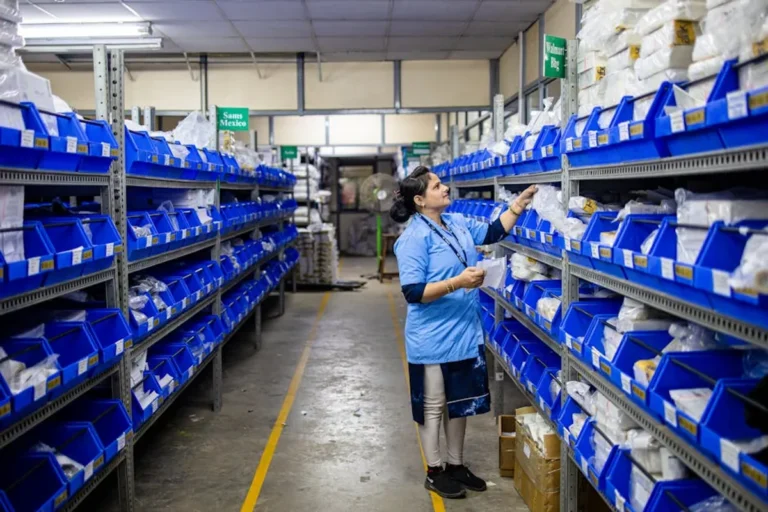

Shipping vaccines demands precision far beyond standard logistics. The viability of these temperature-sensitive biological products hinges on an unbroken cold chain, meticulous handling, and strict adherence to global regulatory frameworks. Errors in transit can render entire batches ineffective, leading to significant financial losses, public health risks, and eroded trust. Understanding and implementing robust best practices is not merely about compliance; it is about safeguarding public health and ensuring the efficacy of critical medical interventions. This guide outlines the fundamental strategies and operational considerations for any organization involved in vaccine distribution.
Key Considerations for Vaccine Shipping
Before implementing specific practices, organizations must establish a foundational understanding of the unique challenges and requirements inherent in vaccine logistics. This involves assessing the specific vaccine type (e.g., mRNA, viral vector, protein subunit), its designated temperature range (e.g., ultra-cold, frozen, refrigerated), and the geographical scope of distribution. Key considerations include: the specific temperature profile required for each vaccine; the duration of transport; the environmental conditions of transit routes; regulatory mandates from agencies like the FDA, EMA, or WHO; and the capabilities of chosen logistics partners. A comprehensive risk assessment, identifying potential points of failure from manufacturing to administration, is also paramount.
1. Maintain Strict Cold Chain Integrity
The core principle of vaccine shipping is the uninterrupted maintenance of the specified temperature range from the point of manufacture until administration. This involves a continuous system of temperature-controlled storage and distribution, preventing any excursions that could compromise vaccine potency. This practice extends beyond simple refrigeration, often requiring specialized freezers, insulated containers, and precise temperature monitoring throughout the entire journey, including during transfers and storage at intermediate points.
Best for: All vaccine types, especially those with narrow temperature stability windows (e.g., mRNA vaccines requiring ultra-cold storage).
Pros:
- Preserves vaccine efficacy and safety, preventing degradation of active ingredients.
- Ensures regulatory compliance with pharmacopoeial standards and health authority guidelines.
- Reduces product waste and associated financial losses from compromised batches.
Cons:
- High operational costs due to specialized equipment (e.g., ultra-low freezers, dry ice, liquid nitrogen).
- Requires continuous monitoring and rapid intervention capabilities for temperature excursions.
- Complexity increases significantly for multi-leg international shipments involving multiple handlers.
Verdict: Non-negotiable. Any compromise in cold chain integrity directly jeopardizes public health outcomes and incurs substantial financial and reputational damage. Investment here is critical infrastructure.
2. Utilize Specialized Thermal Packaging Solutions
Beyond active refrigeration, passive thermal packaging plays a crucial role, particularly for last-mile delivery and shorter transit times. These solutions involve insulated containers, phase change materials (PCMs), gel packs, or dry ice, designed to maintain specific temperature ranges for defined durations. Proper selection depends on the vaccine's temperature profile, ambient conditions, and expected transit time. Packaging must be validated to perform under anticipated stress conditions.
Best for: Last-mile delivery, regional distribution, and shipments where active refrigeration is impractical or cost-prohibitive for short durations.
Pros:
- Offers a cost-effective alternative to active refrigeration for certain scenarios.
- Provides robust protection against external temperature fluctuations for specified periods.
- Reduces reliance on powered equipment during transit, simplifying logistics.
Cons:
- Limited duration of temperature control; performance degrades over time.
- Requires careful pre-conditioning of PCMs or gel packs, adding preparation time.
- Volume and weight can be substantial, increasing shipping costs per dose.
Verdict: Essential for localized distribution and as a backup for active systems. Proper selection and validation are critical to avoid false security regarding temperature maintenance.
3. Implement Real-time Temperature Monitoring and Data Logging
Deploying data loggers and real-time monitoring devices within vaccine shipments provides an auditable record of temperature conditions throughout transit. These devices record temperature at set intervals and, for real-time systems, transmit data to a central platform, allowing for immediate alerts if excursions occur. This enables proactive intervention and provides crucial data for post-shipment analysis and root cause identification for any deviations.
Best for: All vaccine shipments where precise temperature history and immediate alerts are required for compliance and quality assurance.
Pros:
- Provides irrefutable proof of cold chain maintenance for regulatory and quality audits.
- Enables immediate corrective action for temperature excursions, potentially salvaging shipments.
- Generates data for continuous improvement of shipping lanes and packaging protocols.
Cons:
- Initial investment in monitoring hardware and software can be significant.
- Requires robust connectivity for real-time data transmission, which can be challenging in remote areas.
- Data interpretation and alert management require trained personnel and established protocols.
Verdict: A critical tool for accountability and risk mitigation. The data collected is invaluable for both immediate operational decisions and long-term supply chain optimization.
4. Optimize Route Planning and Transit Times
Efficient route planning minimizes transit duration and reduces the number of hand-offs, each representing a potential point of cold chain compromise. This involves selecting direct routes, utilizing expedited shipping services, and coordinating closely with carriers to ensure minimal dwell times at airports or transfer hubs. Consideration of weather patterns and geopolitical stability along the route is also crucial for preventing unforeseen delays.
Best for: Long-distance and international shipments where multiple transit points and varied environmental conditions are encountered.
Pros:
- Reduces exposure time to uncontrolled ambient temperatures.
- Minimizes opportunities for mishandling or theft during transfers.
- Can reduce overall shipping costs by avoiding unnecessary detours or delays.
Cons:
- Requires extensive coordination with multiple logistics partners and customs agencies.
- Can be impacted by unforeseen events like severe weather, labor strikes, or customs delays.
- May necessitate higher-cost expedited shipping options.
Verdict: Proactive planning and carrier collaboration are essential to mitigate transit risks. The shortest, most secure path is always preferred.
5. Ensure Comprehensive Regulatory Compliance and Documentation
Vaccine shipping is subject to stringent regulations from national and international health authorities (e.g., FDA, EMA, WHO), aviation bodies (IATA), and customs agencies. This includes requirements for labeling, packaging, documentation (e.g., air waybills, customs declarations, certificates of analysis), and temperature control. Meticulous record-keeping is vital for demonstrating compliance and for traceability in the event of a recall or quality issue.
Best for: All vaccine shipments, especially those crossing international borders or subject to diverse regulatory oversight.
Pros:
- Avoids legal penalties, shipment delays, and potential seizure of goods.
- Facilitates smooth customs clearance and reduces administrative burdens.
- Provides a clear audit trail for quality assurance and regulatory inspections.
Cons:
- Requires detailed knowledge of constantly evolving international and local regulations.
- Documentation can be extensive and complex, prone to human error.
- Non-compliance can lead to significant financial penalties and reputational damage.
Verdict: Strict adherence to all relevant regulations is non-negotiable. Invest in expertise and robust documentation systems to navigate the complex compliance landscape.
6. Develop Robust Risk Assessment and Contingency Plans
Anticipating potential disruptions (e.g., power outages, equipment failure, natural disasters, transport delays, customs issues) and developing pre-defined contingency plans is crucial. This includes having backup power for storage facilities, redundant monitoring systems, alternative shipping routes, and protocols for handling temperature excursions, including whether a vaccine can be salvaged or must be discarded. Regular drills and reviews of these plans are necessary.
Best for: All vaccine logistics operations, providing resilience against unforeseen events and minimizing impact.
Pros:
- Minimizes the impact of unforeseen events on vaccine viability and delivery schedules.
- Reduces financial losses by enabling quick, informed decisions regarding compromised shipments.
- Enhances confidence among stakeholders and regulatory bodies regarding supply chain robustness.
Cons:
- Requires significant upfront investment in planning, resources, and redundant systems.
- Plans must be regularly updated and tested, adding to operational overhead.
- Complex to develop comprehensive plans that cover all plausible scenarios.
Verdict: Proactive risk management is a cornerstone of reliable vaccine distribution. A well-exercised contingency plan can be the difference between success and catastrophic failure.
7. Implement Comprehensive Personnel Training
All personnel involved in vaccine handling, storage, and transport—from warehouse staff to drivers and administrative personnel—must receive specialized training. This training should cover cold chain principles, proper handling techniques, use of monitoring equipment, emergency protocols for temperature excursions, and specific regulatory requirements. Regular refresher training ensures ongoing competency and awareness of updated procedures.
Best for: All organizations involved in vaccine logistics, from manufacturers to last-mile distributors.
Pros:
- Reduces human error, a significant cause of cold chain breaches.
- Ensures consistent application of best practices across the supply chain.
- Empowers staff to identify and respond effectively to potential issues.
Cons:
- Requires ongoing investment in training materials, instructors, and employee time.
- High staff turnover can necessitate frequent and repetitive training cycles.
- Effectiveness depends on engagement and retention of knowledge by personnel.
Verdict: Human error is a weak link; continuous, specialized training for all handlers is critical to reinforce protocols and maintain operational integrity.
8. Vet and Qualify All Logistics Partners
Vaccine distribution often involves multiple third-party logistics (3PL) providers, carriers, and customs brokers. Thorough vetting and qualification of these partners are essential. This includes assessing their cold chain capabilities, regulatory compliance history, quality management systems, insurance coverage, and emergency response protocols. Service level agreements (SLAs) must explicitly detail temperature requirements, monitoring expectations, and accountability for deviations.
Best for: Any organization outsourcing aspects of their vaccine supply chain to external partners.
Pros:
- Leverages specialized expertise and infrastructure without direct capital investment.
- Expands distribution reach and capacity.
- Shares risk and operational burden with experienced partners.
Cons:
- Requires extensive due diligence and ongoing performance monitoring.
- Loss of direct control over certain aspects of the supply chain.
- Potential for miscommunication or misalignment of quality standards between parties.
Verdict: Strategic partnerships are vital, but their selection and management require rigorous due diligence and clear contractual obligations to ensure cold chain integrity.
9. Implement Secure Handling and Storage Protocols
Beyond temperature control, physical security and proper handling are paramount. This involves secure, access-controlled storage facilities, procedures to prevent physical damage to packages (e.g., dropping, crushing), and protocols for loading and unloading that minimize exposure to ambient conditions. Segregation of different vaccine types or batches to prevent mix-ups is also a key aspect of good storage practice.
Best for: All points in the supply chain where vaccines are stored or handled, including warehouses, distribution centers, and clinics.
Pros:
- Protects against theft, tampering, and physical damage to valuable and sensitive products.
- Ensures efficient inventory management and prevents cross-contamination or mix-ups.
- Maintains product integrity and reduces the risk of compromised doses.
Cons:
- Requires investment in physical security infrastructure (e.g., CCTV, access control) and trained security personnel.
- Can add time to loading/unloading processes due to security checks.
- Protocols must be rigorously enforced and regularly audited.
Verdict: Physical security and careful handling are integral to cold chain integrity, preventing both loss and damage that could render vaccines unusable.
10. Plan for Reverse Logistics and Waste Management
Not all vaccine shipments reach their destination or remain viable. Planning for reverse logistics—the return or proper disposal of compromised, expired, or unused vaccines—is a critical, often overlooked, practice. This includes protocols for identifying non-viable products, secure return pathways, and environmentally responsible disposal methods for biological waste, often involving specialized waste management contractors. Documentation of all disposals is essential.
Best for: All vaccine distribution networks, addressing inevitable product loss and ensuring environmental compliance.
Pros:
- Ensures safe and compliant disposal of biological waste, preventing environmental contamination.
- Provides a mechanism for accounting for all distributed doses, enhancing inventory control.
- Mitigates risks associated with expired or compromised vaccines entering the supply chain.
Cons:
- Can be complex and costly, requiring specialized waste disposal services.
- Requires detailed tracking and documentation for regulatory compliance.
- Logistical challenges in collecting and consolidating returned or expired products.
Verdict: A complete logistics strategy includes robust plans for product lifecycle management beyond delivery, ensuring safety and compliance even for non-viable products.
11. Implement Robust Last-Mile Delivery Strategies
The "last mile" – the final leg of delivery from a distribution hub to the point of administration – is often the most challenging due to varied infrastructure, remote locations, and unpredictable conditions. Strategies include using smaller, temperature-controlled vehicles, drone delivery in inaccessible areas, or highly insulated passive containers for short-duration transport. Coordination with local health authorities and community leaders is vital for successful last-mile execution.
Best for: Reaching diverse populations, especially in rural, remote, or urban areas with complex logistical challenges.
Pros:
- Ensures equitable access to vaccines for all populations.
- Addresses unique logistical challenges posed by varied geographical and infrastructural conditions.
- Builds trust within communities by ensuring reliable and safe delivery.
Cons:
- High operational costs due to fragmented delivery routes and specialized equipment.
- Vulnerable to local infrastructure limitations, road conditions, and security risks.
- Requires extensive local knowledge and coordination with diverse stakeholders.
Verdict: The last mile often determines the ultimate success of a vaccination campaign. It requires innovative, adaptable solutions tailored to specific local conditions.
12. Leverage Digital Traceability and Transparency
Implementing end-to-end digital traceability systems, often utilizing blockchain or advanced serialization, provides unparalleled transparency into the vaccine supply chain. This allows for real-time tracking of individual doses, verification of authenticity, and a complete audit trail from manufacturer to patient. Such systems enhance security, combat counterfeiting, and streamline recall processes.
Best for: Enhancing supply chain security, combating counterfeiting, and providing granular accountability across the entire distribution network.
Pros:
- Provides a verifiable, immutable record of each vaccine dose's journey.
- Significantly reduces the risk of counterfeit products entering the legitimate supply chain.
- Facilitates rapid and precise recalls, minimizing public health risks.
Cons:
- High initial investment in technology and system integration across multiple partners.
- Requires standardization and interoperability across diverse IT systems.
- Data privacy and security concerns must be rigorously addressed.
Verdict: A powerful tool for ensuring product integrity and building public trust, though implementation requires significant technological and collaborative investment.
13. Integrate with a Robust Quality Management System (QMS)
A comprehensive Quality Management System (QMS) is foundational to all vaccine shipping operations. This system defines procedures, responsibilities, and processes for ensuring product quality and regulatory compliance at every stage. It includes documentation control, deviation management, change control, internal audits, and corrective and preventive actions (CAPA). The QMS provides the framework for continuous improvement and accountability.
Best for: All organizations involved in any stage of vaccine handling, from manufacturing to distribution, establishing a culture of quality.
Pros:
- Ensures consistent adherence to quality standards and regulatory requirements.
- Provides a structured approach for identifying, addressing, and preventing quality issues.
- Facilitates internal and external audits, demonstrating a commitment to quality.
Cons:
- Requires significant investment in development, implementation, and ongoing maintenance.
- Can be perceived as bureaucratic if not properly integrated into daily operations.
- Effectiveness depends on leadership commitment and employee engagement.
Verdict: A well-implemented QMS is the backbone of reliable vaccine logistics, ensuring systematic control and continuous improvement over all processes.
14. Develop Expertise in Customs and International Shipping
For global vaccine distribution, navigating complex international customs regulations, import/export permits, and trade compliance is critical. This involves understanding tariffs, duties, specific documentation requirements for biological materials, and ensuring smooth transitions across borders. Delays at customs can lead to temperature excursions and compromised shipments, making specialized expertise in this area indispensable.
Best for: Organizations involved in cross-border or international vaccine distribution, where regulatory landscapes are highly varied.
Pros:
- Prevents costly delays, fines, and potential seizure of shipments at borders.
- Ensures compliance with diverse international trade and health regulations.
- Facilitates rapid and efficient movement of critical vaccines across continents.
Cons:
- Requires specialized knowledge of constantly changing international trade laws and customs procedures.
- Managing documentation for multiple countries can be complex and time-consuming.
- Potential for unforeseen geopolitical issues to disrupt international transit.
Verdict: International vaccine shipping is a highly specialized field. Investing in internal expertise or partnering with experienced customs brokers is essential for global reach and compliance.
Evaluating Your Vaccine Logistics Strategy
The success of vaccine shipping is measured by the consistent delivery of viable doses to their intended recipients, on time and within budget. Key performance indicators (KPIs) include: temperature excursion rates (aiming for zero); on-time delivery percentages; cold chain breach rates; product spoilage/waste rates; and regulatory compliance audit scores. Regular reviews of these metrics, coupled with post-shipment analysis of data logger records and feedback from receiving sites, inform continuous improvement. A robust strategy involves not just implementing individual best practices, but integrating them into a cohesive, resilient system that can adapt to evolving challenges and demands.
Frequently Asked Questions
Q: What is the primary risk in vaccine shipping?
A: The primary risk is a breach of the cold chain, leading to temperature excursions that can compromise vaccine efficacy and safety. Improper handling, physical damage, and regulatory non-compliance are also significant concerns.
Q: How do ultra-cold vaccines differ in shipping requirements?
A: Ultra-cold vaccines (e.g., -70°C) require specialized dry ice or liquid nitrogen shipping containers, often with replenishment strategies during extended transit. This necessitates more complex packaging, monitoring, and handling protocols compared to refrigerated vaccines.
Q: Are there specific labeling requirements for vaccine shipments?
A: Yes, vaccine shipments typically require clear labeling indicating temperature requirements, handling instructions (e.g., "Do Not Freeze"), biological hazard symbols, and often specific regulatory labels for international transit (e.g., UN numbers for dry ice).
Q: What role do data loggers play in vaccine shipping?
A: Data loggers provide an objective, continuous record of temperature conditions throughout the shipment. This data is crucial for verifying cold chain integrity, identifying potential issues, and fulfilling regulatory documentation requirements.
Q: How can I ensure my logistics partners are compliant?
A: Conduct thorough due diligence, including facility audits, review of their quality management systems, and verification of their cold chain capabilities and regulatory compliance history. Establish clear service level agreements (SLAs) with specific performance metrics and audit clauses.
Q: What is the importance of contingency planning?
A: Contingency planning prepares for unforeseen events like power outages, transport delays, or equipment failures. It outlines pre-approved actions to mitigate risks, minimize product loss, and ensure the continued delivery of viable vaccines, safeguarding public health.