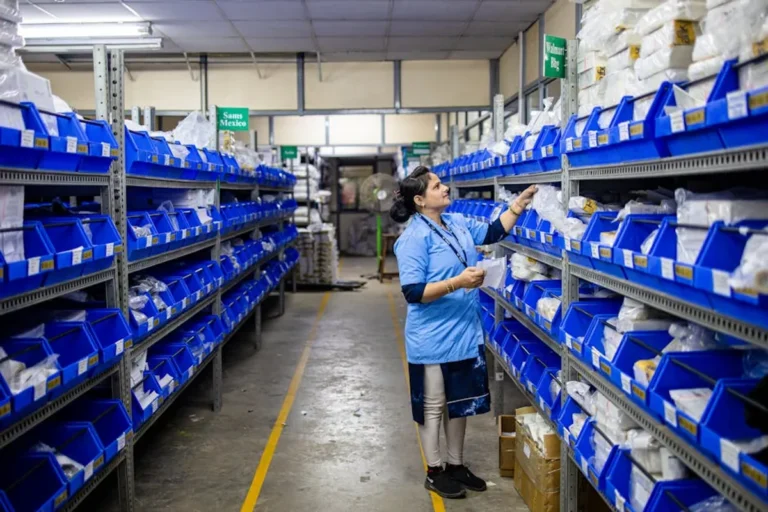

Biotech supply chain management operates at the intersection of scientific innovation, stringent regulatory demands, and high-stakes patient outcomes. Unlike conventional logistics, this sector navigates products characterized by extreme sensitivity, short shelf lives, and often, ultra-high value. Effective management is not merely about moving goods; it's about safeguarding product integrity, ensuring patient access, and maintaining compliance across a global network. This guide outlines the critical components and strategic considerations essential for building and sustaining a resilient biotech supply chain.
Unique Challenges in Biotech Supply Chains
The inherent nature of biotechnological products introduces complexities rarely seen in other industries. These challenges demand specialized solutions and meticulous oversight:
- Temperature Control: Many biologics, vaccines, and cell & gene therapies require precise temperature ranges, from refrigerated (2-8°C) to ultra-cold (-80°C or colder), throughout their entire journey. Any deviation can render products ineffective or dangerous.
- Regulatory Scrutiny: Compliance with global Good Manufacturing Practice (GMP), Good Distribution Practice (GDP), and other regional health authority regulations (e.g., FDA, EMA) is non-negotiable. Documentation, traceability, and audit readiness are paramount.
- Product Sensitivity & Fragility: Live organisms, proteins, and complex molecules are susceptible to agitation, light exposure, and contamination, requiring specialized handling and packaging.
- Short Product Lifecycles: Especially for personalized medicines or clinical trial materials, rapid production and distribution are critical, often with tight deadlines and limited batch sizes.
- Global Reach & Local Nuances: Products must often traverse multiple international borders, encountering diverse customs regulations, infrastructure limitations, and local distribution requirements.
- High Value & Security: Biotech products represent significant financial investments, necessitating robust security measures to prevent theft, counterfeiting, and diversion.
Core Pillars of Effective Biotech Supply Chain Management
Success in this domain hinges on mastering several interconnected areas, each demanding specific expertise and technological integration.
Cold Chain Logistics and Monitoring
Maintaining precise temperature control is foundational. This extends beyond specialized packaging to an integrated system of monitoring and intervention.
Key elements:
- Validated Packaging: Use of insulated shippers, phase change materials (PCMs), and cryo-shippers designed to maintain specific temperature profiles for defined durations.
- Real-time Monitoring: IoT-enabled sensors and data loggers provide continuous temperature, humidity, and shock monitoring, transmitting data to a central platform.
- Contingency Planning: Protocols for power outages, transport delays, and equipment failures are essential, including access to backup cold storage and alternative routes.
- Specialized Transport: Partnering with carriers experienced in pharmaceutical logistics, equipped with temperature-controlled vehicles and trained personnel.
Regulatory Compliance and Quality Assurance
Adherence to global and local regulations safeguards product quality and patient safety. This involves a proactive, integrated approach to quality management.
Focus areas:
- GxP Adherence: Ensuring Good Manufacturing Practice (GMP), Good Distribution Practice (GDP), and Good Storage Practice (GSP) are embedded in all processes.
- Documentation & Traceability: Maintaining comprehensive records for every product, from raw material sourcing to patient delivery, enabling full audit trails.
- Risk-Based Quality Management: Identifying potential quality risks at each supply chain node and implementing mitigation strategies.
- Vendor Qualification: Rigorous auditing and qualification of all third-party logistics (3PLs), suppliers, and distributors to ensure their compliance capabilities.
Inventory Optimization and Demand Planning
Balancing supply with unpredictable demand, especially for novel therapies, requires sophisticated forecasting and inventory strategies to minimize waste and ensure availability.
Strategic considerations:
- Accurate Forecasting: Leveraging historical data, clinical trial projections, and market intelligence to predict demand, often in collaboration with R&D and commercial teams.
- Strategic Stockpiling: For critical raw materials or finished products with long lead times, maintaining safety stock levels to buffer against supply disruptions.
- Just-in-Time (JIT) Principles: Where feasible, minimizing inventory holding costs and reducing the risk of product expiry, particularly for short-shelf-life items.
- Serialization: Implementing track-and-trace systems for individual product units, crucial for managing recalls, preventing counterfeiting, and optimizing inventory.
Supplier Relationship Management and Risk Mitigation
The biotech supply chain is often a complex web of specialized partners. Managing these relationships effectively is crucial for stability and resilience.
Proactive measures:
- Diversified Sourcing: Reducing reliance on single suppliers for critical components or services to mitigate disruption risks.
- Performance Monitoring: Establishing clear service level agreements (SLAs) and key performance indicators (KPIs) to evaluate supplier performance regularly.
- Joint Business Planning: Collaborating with key suppliers on long-term planning, capacity expansion, and innovation initiatives.
- Geopolitical and Natural Disaster Preparedness: Assessing and planning for regional instabilities, climate events, and other macro risks that could impact supply lines.
Pro Tip: Overlooking the nuances of customs and import/export regulations for biological materials can lead to significant delays, spoilage, and regulatory penalties. Engage customs brokers with specific biotech expertise early in the planning process for international shipments. Their knowledge of specific tariffs, required permits, and country-specific documentation can prevent costly bottlenecks at borders, especially for temperature-sensitive products.
Implementing a Robust Biotech Supply Chain Strategy
Building a resilient biotech supply chain requires a strategic, integrated approach, leveraging technology and specialized expertise.
Technology Integration for Visibility and Control
Digital tools are indispensable for managing the complexity and data volume inherent in biotech logistics.
Essential technologies:
- Enterprise Resource Planning (ERP) Systems: Integrating core business processes, from manufacturing to finance, for holistic visibility.
- Warehouse Management Systems (WMS): Optimizing storage, picking, and packing, especially for cold chain and high-value items.
- Transportation Management Systems (TMS): Planning, executing, and optimizing freight movements, including route optimization and carrier selection.
- Internet of Things (IoT) & Blockchain: Enhancing real-time monitoring of conditions (temperature, humidity, shock) and providing immutable records for traceability and authenticity.
- Data Analytics & AI: Applying predictive analytics for demand forecasting, risk assessment, and identifying operational inefficiencies.
Talent Development and Specialized Training
The unique demands of biotech logistics necessitate a highly skilled workforce.
Investment areas:
- Specialized Certifications: Training in cold chain management, GxP regulations, hazardous materials handling, and international trade compliance.
- Cross-Functional Collaboration: Fostering strong communication and collaboration between R&D, manufacturing, quality assurance, regulatory affairs, and logistics teams.
- Continuous Learning: Staying abreast of evolving technologies, regulatory changes, and best practices within the biotech and pharmaceutical logistics sectors.
Continuous Improvement and Adaptability
The biotech landscape is dynamic, with new therapies, technologies, and regulatory frameworks constantly emerging. A successful supply chain must be designed for continuous adaptation.
Regularly review and refine processes based on performance metrics, audit findings, and emerging industry trends. Establish key performance indicators (KPIs) for on-time delivery, temperature excursions, inventory accuracy, and compliance adherence. Implement a culture of proactive problem-solving and innovation, allowing the supply chain to evolve alongside scientific advancements and market demands. Agility, transparency, and a commitment to quality are the foundational elements for navigating the complexities and ensuring product integrity from laboratory to patient.
Frequently Asked Questions
What are the primary cost drivers in biotech supply chains?
Key cost drivers include specialized cold chain infrastructure (storage, packaging, transport), extensive regulatory compliance and quality assurance efforts (audits, documentation), high-value product insurance, and the complexity of global distribution networks, particularly for small, high-value batches.
How does digital transformation impact compliance and traceability?
Digital transformation, through technologies like IoT sensors, blockchain, and advanced analytics, significantly enhances compliance by providing real-time data on environmental conditions and product location. This enables immutable traceability, streamlined documentation, automated alerts for deviations, and improved audit readiness, reducing human error and ensuring adherence to GxP standards.
What role does GxP play in biotech supply chain management?
GxP (Good Practice) principles, encompassing GMP (Manufacturing), GDP (Distribution), and GSP (Storage), are fundamental. They establish the minimum standards for quality, safety, and efficacy throughout the product lifecycle. Adherence ensures product integrity, prevents contamination, guarantees proper handling, and provides the necessary documentation for regulatory approval and patient safety, making them non-negotiable for all supply chain stakeholders.