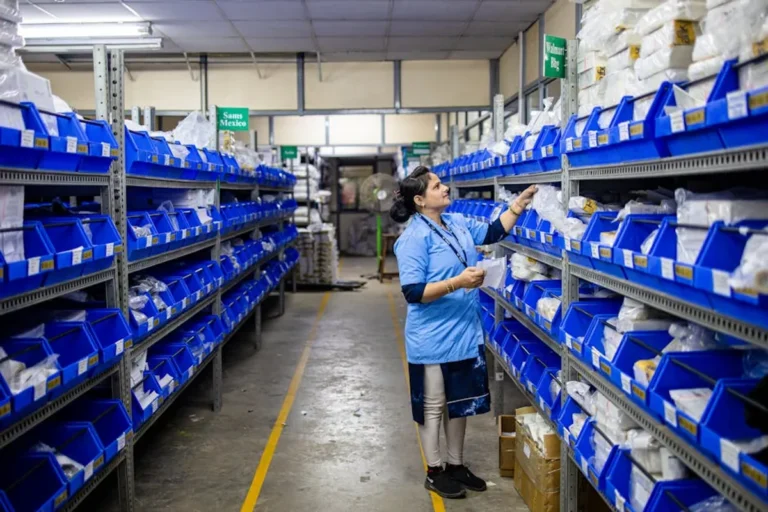

Pharmaceutical cold chain logistics is not merely about keeping products cool; it is a critical operational and compliance imperative that directly impacts patient safety, product efficacy, and financial viability. For pharmaceutical manufacturers, distributors, and healthcare providers, an effective cold chain protects sensitive medications, vaccines, and biologics from degradation due to temperature excursions. The consequences of failure range from product spoilage and costly recalls to regulatory penalties and, most significantly, compromised patient health. Understanding the intricacies of this specialized logistics segment is essential for making informed decisions about infrastructure, technology, and strategic partnerships.
Defining Pharmaceutical Cold Chain Logistics
Cold chain logistics for pharmaceuticals encompasses the entire process of storing, handling, and transporting temperature-sensitive medicinal products within a specified temperature range from the point of manufacture to the point of administration. This includes active pharmaceutical ingredients (APIs), finished drug products, vaccines, and biologics, many of which require precise temperature control, often between 2°C and 8°C (refrigerated) or below -20°C (frozen). The objective is to maintain product stability and integrity, ensuring that therapeutic efficacy is preserved and patient safety is not jeopardized by exposure to unsuitable environmental conditions.
Core Elements of a Robust Cold Chain
- Temperature-Controlled Storage: Specialized warehouses and distribution centers equipped with validated refrigeration units, freezers, and ultra-low temperature freezers capable of maintaining consistent temperature ranges. These facilities often feature redundant power systems and continuous monitoring.
- Specialized Packaging Solutions: Insulated containers, passive coolants (gel packs, phase change materials), and active temperature-controlled shipping systems (powered by batteries or dry ice) designed to protect products during transit for specific durations and temperature profiles.
- Validated Transportation Methods: Fleets of refrigerated trucks, specialized air cargo containers, and ocean freight solutions that are qualified to maintain specific temperatures, often with real-time tracking and monitoring capabilities.
- Comprehensive Monitoring and Data Logging: Devices such as data loggers, RFID tags, and IoT sensors that record temperature, humidity, and location throughout the journey. Real-time alerts are crucial for immediate intervention in case of deviations.
- Strict Regulatory Compliance: Adherence to international and local Good Distribution Practices (GDP), Good Manufacturing Practices (GMP), and specific pharmacopeial requirements that dictate handling, storage, and documentation standards.
Operational Challenges in Pharmaceutical Cold Chain Management
Managing the pharmaceutical cold chain presents distinct challenges that demand specialized expertise and significant investment. Temperature excursions are a primary concern; even brief deviations outside the specified range can render products ineffective or harmful. This necessitates robust contingency planning and rapid response protocols.
The global nature of pharmaceutical supply chains adds complexity. Products may travel across multiple continents, encountering diverse climates, regulatory frameworks, and infrastructure capabilities. Each hand-off point, from manufacturing facility to last-mile delivery, introduces potential risks for temperature breaches or handling errors. Additionally, the sheer cost of maintaining a compliant cold chain—from specialized equipment and validated processes to qualified personnel and advanced monitoring technologies—requires careful financial planning and optimization without compromising integrity.
Pro Tip: Implement a multi-layered risk assessment strategy across your entire cold chain. This includes identifying critical control points, evaluating potential failure modes (e.g., power outages, transport delays, human error), and establishing clear, documented mitigation plans. Regular audits and scenario testing are essential to ensure these plans are effective and personnel are adequately trained for rapid response.
Technological Advancements Enhancing Cold Chain Reliability
Innovation plays a pivotal role in improving the reliability and efficiency of pharmaceutical cold chains. The integration of advanced technologies provides greater visibility, predictive capabilities, and automation:
- Internet of Things (IoT) Sensors: These devices provide continuous, real-time data on temperature, humidity, light exposure, and shock. This allows for proactive intervention and detailed reporting for compliance and quality assurance.
- Blockchain Technology: Offers an immutable, transparent ledger for tracking product movement and conditions throughout the supply chain. This enhances traceability, prevents counterfeiting, and simplifies auditing processes.
- Predictive Analytics and Artificial Intelligence (AI): AI algorithms can analyze historical data from sensors, weather patterns, and traffic conditions to predict potential temperature excursions or logistical delays, enabling dynamic route optimization and proactive risk management.
- Advanced Packaging Materials: Innovations in insulation, phase change materials (PCMs), and active cooling systems are extending shipping durations and improving temperature stability, even in extreme environmental conditions.
Strategic Cold Chain Management for Pharmaceutical Integrity
Effective cold chain management is a strategic differentiator for pharmaceutical companies, directly influencing product quality, regulatory standing, and market access. It requires a holistic approach that integrates robust operational procedures, advanced technology, and skilled personnel across the entire supply chain. Prioritizing investment in validated infrastructure, continuous monitoring, and comprehensive training programs reduces the risk of product degradation and ensures that life-saving medications reach patients safely and effectively. This proactive stance not only mitigates financial losses from spoiled inventory but also upholds the critical trust placed in pharmaceutical products.
Frequently Asked Questions
What are Good Distribution Practices (GDP)?
Good Distribution Practices (GDP) are a set of guidelines that outline the minimum standards for the wholesale distribution of medicinal products. They ensure that the quality and integrity of medicines are maintained throughout the supply chain, from the manufacturer to the patient, covering aspects like storage, transportation, documentation, and personnel training.
Why is real-time temperature monitoring crucial in pharmaceutical cold chains?
Real-time temperature monitoring is crucial because it provides immediate alerts if a product's temperature deviates from its specified range. This allows for prompt corrective action, potentially saving valuable product batches, demonstrating compliance, and ensuring that compromised products do not reach patients.
What are the typical temperature ranges for pharmaceutical cold chain products?
Common temperature ranges include refrigerated (2°C to 8°C), frozen (-15°C to -25°C), and ultra-low frozen (below -60°C, often using dry ice or specialized freezers). Ambient temperature-controlled products typically require storage between 15°C and 25°C.
How do pharmaceutical companies ensure compliance with cold chain regulations?
Compliance is ensured through rigorous validation of all equipment and processes, strict adherence to GDP guidelines, comprehensive documentation of temperature data and handling procedures, regular internal and external audits, and continuous training of all personnel involved in the cold chain.