
Healthcare providers operate under a unique imperative: maintaining continuous patient care, even amidst the most severe disruptions. Emergency logistics planning is not merely a contingency; it is a foundational element of operational resilience that directly impacts patient outcomes and organizational integrity. Without a meticulously designed and regularly tested framework, a natural disaster, pandemic, or cyberattack can quickly cripple supply lines, deplete critical resources, and compromise the ability to deliver essential medical services. This article outlines the strategic pillars for developing and implementing robust emergency logistics plans, focusing on actionable components that safeguard healthcare operations and ensure resource availability when it matters most.
Core Components of a Resilient Emergency Logistics Plan
Developing an effective emergency logistics plan requires a systematic approach that addresses every facet of the supply chain, from sourcing to patient delivery. The goal is to build redundancy, flexibility, and rapid response capabilities into the system.
Supply Chain Mapping and Vulnerability Assessment
A comprehensive understanding of the entire supply chain is the first step. This involves identifying all tiers of suppliers, from raw material providers to last-mile delivery partners, including their geographic locations, production capacities, and potential single points of failure. Healthcare providers must document critical dependencies, such as specialized medical equipment, pharmaceuticals, and personal protective equipment (PPE), assessing the lead times and alternative sources for each. A vulnerability assessment then quantifies risks associated with each link—geopolitical instability, natural disaster zones, or reliance on sole suppliers—allowing for targeted mitigation strategies.
Inventory Management and Stockpiling Strategies
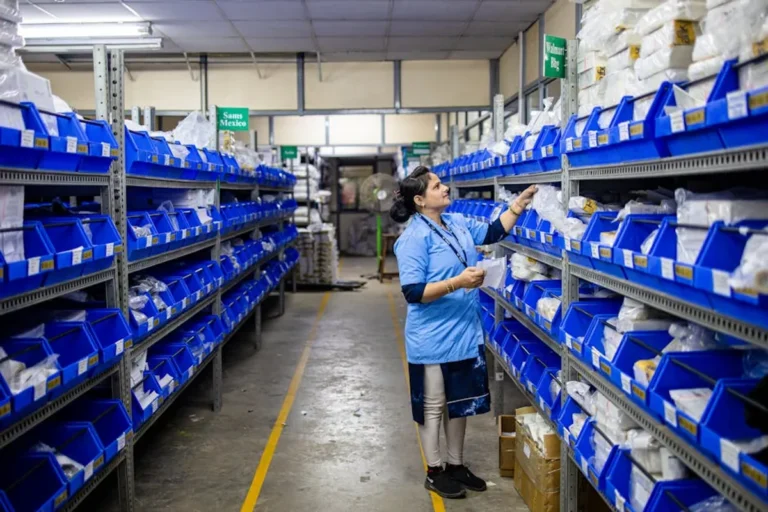
Strategic inventory management extends beyond daily operational needs. Emergency planning necessitates establishing buffer stocks for critical items, considering their shelf life, storage requirements, and cost. This includes pharmaceuticals, medical consumables, diagnostic reagents, and even basic utilities like fuel and water. Decentralized warehousing, where supplies are distributed across multiple secure locations, reduces the risk of a single event compromising all reserves. Agreements with third-party logistics (3PL) providers for emergency storage and rapid deployment capabilities can further enhance flexibility.
Pro Tip: Beyond physical stock, maintain digital backups of all critical inventory data, supplier contracts, and emergency contact lists in an off-site, secure location. This ensures continuity of information access even if primary facilities are compromised.
Transportation and Distribution Networks
Emergency logistics plans must detail how critical supplies will move from storage facilities to points of care under various adverse conditions. This includes identifying alternative transportation routes that bypass common choke points, securing diverse modes of transport (e.g., ground, air, rail) and establishing pre-negotiated contracts with emergency transport providers. Consideration must be given to specialized transport needs, such as cold chain integrity for vaccines or temperature-sensitive medications, and secure transport for controlled substances. The plan should also address reverse logistics for damaged goods or waste management during a crisis.
Communication and Coordination Protocols
Effective communication is the linchpin of any successful emergency response. Protocols must define clear lines of authority, communication channels, and reporting structures for internal teams, external partners, and regulatory bodies. This includes:
- Designated Communication Leads: Clearly assign roles for internal and external communication during an emergency.
- Redundant Communication Systems: Utilize multiple platforms (satellite phones, two-way radios, secure messaging apps) independent of standard infrastructure.
- Stakeholder Contact Lists: Maintain up-to-date contact information for all suppliers, transport partners, emergency services, and government agencies.
- Regular Updates: Establish a cadence for information sharing to ensure all parties have the most current operational status and needs.
- Public Information Strategy: Prepare pre-approved messaging for patients and the public to manage expectations and provide guidance.
Technology's Role in Enhancing Emergency Preparedness
Leveraging modern technology significantly amplifies the capabilities of emergency logistics planning, offering insights and efficiencies impossible with manual systems.
Predictive Analytics for Demand Forecasting
Advanced analytics tools can process vast datasets—historical consumption patterns, seasonal variations, epidemiological trends, and even real-time news feeds—to predict potential surges in demand for specific medical supplies. This allows healthcare providers to proactively adjust inventory levels, initiate early procurement, and pre-position resources before a crisis fully materializes. Such foresight reduces the likelihood of critical shortages and allows for more strategic allocation of limited resources.
Real-time Visibility and Tracking
Supply chain visibility platforms provide real-time data on the location and status of critical shipments, inventory levels across all storage sites, and the operational status of transportation assets. GPS tracking, RFID technology, and IoT sensors can monitor conditions like temperature and humidity for sensitive goods. This granular visibility enables logistics managers to identify potential delays, reroute shipments, and respond dynamically to disruptions, ensuring that resources reach their intended destinations efficiently and safely.
Training and Drills: Ensuring Operational Readiness
A meticulously crafted plan is only as effective as the team executing it. Regular training and simulation exercises are indispensable for validating protocols, identifying weaknesses, and familiarizing personnel with their roles and responsibilities during an emergency. These drills should simulate various crisis scenarios, from localized power outages to widespread pandemics, involving all relevant internal departments and key external partners. Post-drill debriefings are crucial for capturing lessons learned and refining the emergency logistics plan based on practical experience, ensuring continuous improvement.
Establishing a Preparedness Framework
Implementing a robust emergency logistics plan is an ongoing commitment, not a one-time project. It requires dedicated resources, continuous monitoring, and a culture of proactive preparedness. Begin by forming a cross-functional emergency logistics committee with representatives from procurement, clinical operations, IT, and risk management. This committee should be tasked with developing, reviewing, and updating the plan annually, or more frequently if significant operational changes occur or new threats emerge. Secure appropriate budget allocations for technology investments, emergency stock, and staff training. Foster strong relationships with multiple suppliers and logistics partners, negotiating emergency clauses into contracts that guarantee priority service during crises. This proactive stance transforms potential vulnerabilities into sources of resilience, ensuring that healthcare providers can continue their essential mission under any circumstances.
Frequently Asked Questions
What is the primary goal of emergency logistics planning in healthcare?
The primary goal is to ensure the continuous availability of critical medical supplies, equipment, and personnel to maintain patient care and operational continuity during unforeseen events and crises.
How often should a healthcare emergency logistics plan be updated?
Emergency logistics plans should be reviewed and updated at least annually, or immediately following any significant organizational change, major incident, or the emergence of new threats or regulatory requirements.
What role do third-party logistics (3PL) providers play in emergency planning?
3PLs can offer critical support by providing emergency warehousing, specialized transportation, and rapid deployment capabilities, augmenting a healthcare provider's internal resources during a crisis.
Why is supply chain mapping essential for emergency preparedness?
Supply chain mapping identifies all components, dependencies, and potential vulnerabilities within the supply chain, allowing healthcare providers to understand risks and develop targeted mitigation strategies proactively.