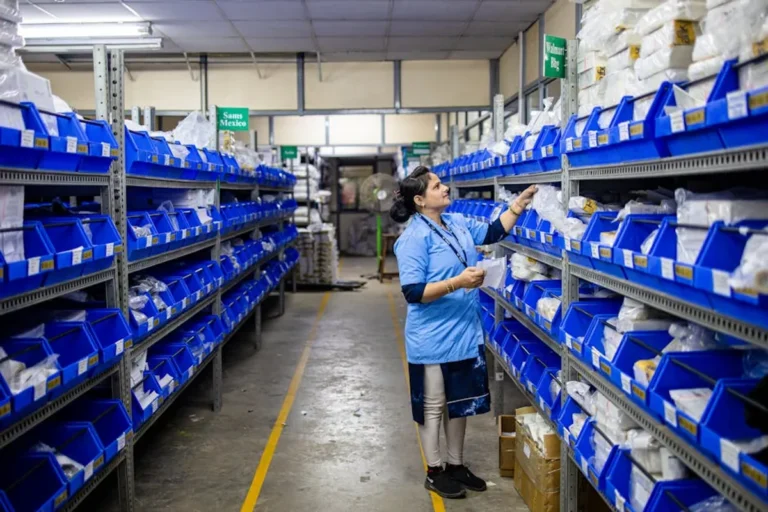

The healthcare and biotech sectors are experiencing unprecedented transformation, driven by scientific breakthroughs, evolving patient demands, and geopolitical shifts. For logistics professionals, this translates into a rapidly changing operational landscape where traditional models are no longer sufficient. Understanding and proactively addressing the future trends in healthcare and biotech logistics is not merely about staying competitive; it is about ensuring the efficacy of life-saving treatments, maintaining regulatory compliance, and optimizing cost efficiencies in an increasingly complex global supply chain. This article delves into the critical shifts defining this future, offering a strategic perspective on the innovations and operational imperatives shaping the next decade.
The Shifting Landscape: Core Drivers of Change
Personalized Medicine and Cell & Gene Therapies
The rise of personalized medicine, particularly cell and gene therapies (CGT), introduces unique logistical challenges. These treatments are often patient-specific, require ultra-cold chain storage (sometimes down to -196°C), and have extremely short shelf lives. The "vein-to-vein" logistics model, where biological samples travel from patient to manufacturing site and back, demands absolute precision, real-time tracking, and specialized handling. The commercial impact is substantial: errors are not just costly but can be life-threatening, necessitating robust, closed-loop systems and specialized carrier networks capable of managing cryogenic conditions and strict chain of custody.
Global Supply Chain Vulnerabilities
Recent global events have exposed the fragility of extended supply chains. For healthcare and biotech, this vulnerability is amplified by the critical nature of products. Future logistics strategies must prioritize resilience and redundancy. This involves diversifying sourcing, considering near-shoring or regional manufacturing hubs, and building buffer stocks for essential components and finished products. The commercial imperative here is to minimize disruption risk, which directly impacts patient access and market share, while balancing the increased costs associated with decentralized or redundant supply lines.
Regulatory Evolution and Compliance Demands
The regulatory environment for healthcare and biotech products is continuously tightening, particularly concerning product integrity, traceability, and data security. New regulations, such as the Drug Supply Chain Security Act (DSCSA) in the U.S. and similar directives globally, mandate enhanced serialization and tracking capabilities. Future logistics systems must be built with compliance as a foundational element, ensuring audit trails, temperature excursion monitoring, and secure data exchange. Non-compliance carries severe penalties, including fines, product recalls, and reputational damage, making robust regulatory adherence a non-negotiable commercial requirement.
Key Technological Innovations Shaping Logistics
Advanced Cold Chain Management
As more biopharmaceuticals and CGTs emerge, the demand for sophisticated cold chain solutions intensifies. This includes not only ultra-low temperature freezers and specialized shipping containers but also real-time monitoring systems that track temperature, humidity, and location throughout transit. Innovations like phase-change materials, smart packaging with embedded sensors, and predictive analytics for route optimization based on weather patterns are becoming standard. These technologies reduce spoilage, ensure product efficacy, and mitigate significant financial losses associated with compromised shipments.
AI, Machine Learning, and Predictive Analytics
Artificial intelligence (AI) and machine learning (ML) are transforming logistics by enabling predictive capabilities. These technologies can analyze vast datasets—including historical shipment data, weather forecasts, traffic patterns, and demand fluctuations—to optimize routes, predict potential delays, manage inventory levels more effectively, and even anticipate equipment maintenance needs. For biotech and healthcare, this means more efficient resource allocation, reduced waste, and improved on-time delivery rates, directly impacting operational costs and service reliability.
Blockchain for Transparency and Traceability
Blockchain technology offers an immutable, distributed ledger that can record every step of a product's journey from manufacturing to patient. This provides unparalleled transparency and traceability, crucial for combating counterfeiting, ensuring product authenticity, and streamlining recall processes. In healthcare logistics, blockchain can verify the origin and integrity of sensitive biologics, enhancing trust across the supply chain and simplifying regulatory audits. Its commercial value lies in increased security, reduced fraud, and enhanced brand reputation.
Autonomous Systems and Robotics
From automated guided vehicles (AGVs) in warehouses to potential drone deliveries for remote areas, autonomous systems and robotics are poised to enhance efficiency and safety. These technologies can handle repetitive tasks, operate in challenging environments (e.g., ultra-cold storage), and reduce human error. While full-scale implementation is still evolving, their application in inventory management, order picking, and last-mile delivery holds significant promise for reducing labor costs and accelerating throughput in the highly sensitive healthcare logistics domain.
- Automated storage and retrieval systems (AS/RS) for high-density storage and rapid retrieval.
- Robotic process automation (RPA) for administrative tasks like order processing and documentation.
- Autonomous forklifts and pallet jacks for internal material handling.
- Drones for urgent, small-package deliveries to remote or difficult-to-access locations.
Operational Imperatives for Future Readiness
Data Integration and Interoperability
The effectiveness of advanced technologies like AI and blockchain hinges on seamless data flow. Future logistics operations require robust data integration platforms that can connect disparate systems—from enterprise resource planning (ERP) and warehouse management systems (WMS) to transportation management systems (TMS) and cold chain monitoring devices. Interoperability ensures that real-time insights are available across the entire supply chain, enabling proactive decision-making and optimizing end-to-end processes.
Risk Mitigation and Redundancy Planning
Beyond diversifying suppliers, risk mitigation involves building comprehensive contingency plans for various scenarios, including natural disasters, geopolitical events, and cyberattacks. This includes redundant infrastructure, alternative transportation modes, and emergency communication protocols. The goal is to create a resilient supply chain that can absorb shocks and continue operations with minimal disruption, protecting both patient well-being and commercial viability.
Sustainability and Green Logistics
Increasingly, stakeholders demand environmentally responsible practices. Future healthcare and biotech logistics must integrate sustainability across operations, from optimizing transportation routes to reduce emissions, to utilizing eco-friendly packaging materials, and implementing waste reduction programs. This is not just a corporate social responsibility initiative; it also offers commercial benefits through reduced fuel costs, improved brand image, and compliance with emerging environmental regulations.
Pro Tip: When evaluating new logistics technologies or partners, prioritize solutions that offer proven scalability and interoperability with your existing infrastructure. A piecemeal approach to innovation can create data silos and operational bottlenecks, undermining the very efficiencies you aim to achieve. Focus on integrated platforms that provide a holistic view of your supply chain.
Preparing for the Next Decade of Logistics Excellence
Navigating the future of healthcare and biotech logistics requires a proactive, technology-driven approach. Organizations must invest in robust data infrastructure, embrace advanced analytics, and cultivate partnerships with specialized logistics providers capable of handling complex requirements like ultra-cold chain and personalized medicine. Success will hinge on agility, resilience, and a commitment to continuous innovation, ensuring that life-changing therapies reach patients reliably and efficiently, even as the operational landscape continues to evolve.
Frequently Asked Questions
What is personalized medicine logistics?
Personalized medicine logistics refers to the specialized supply chain management required for therapies tailored to individual patients, often involving sensitive biological samples, ultra-cold storage, and precise, time-critical "vein-to-vein" delivery protocols.
How does AI benefit biotech logistics?
AI benefits biotech logistics by enabling predictive analytics for demand forecasting, route optimization, inventory management, and risk assessment, leading to increased efficiency, reduced costs, and improved reliability in delivering sensitive products.
Why is supply chain traceability crucial in healthcare?
Supply chain traceability is crucial in healthcare to ensure product authenticity, prevent counterfeiting, comply with strict regulatory requirements, facilitate rapid recalls, and maintain the integrity of sensitive pharmaceutical and biological products from origin to patient.
What role does sustainability play in future logistics?
Sustainability in future logistics involves minimizing environmental impact through optimized routes, eco-friendly packaging, reduced waste, and greener transportation methods. This addresses regulatory demands, enhances brand reputation, and can lead to cost savings.