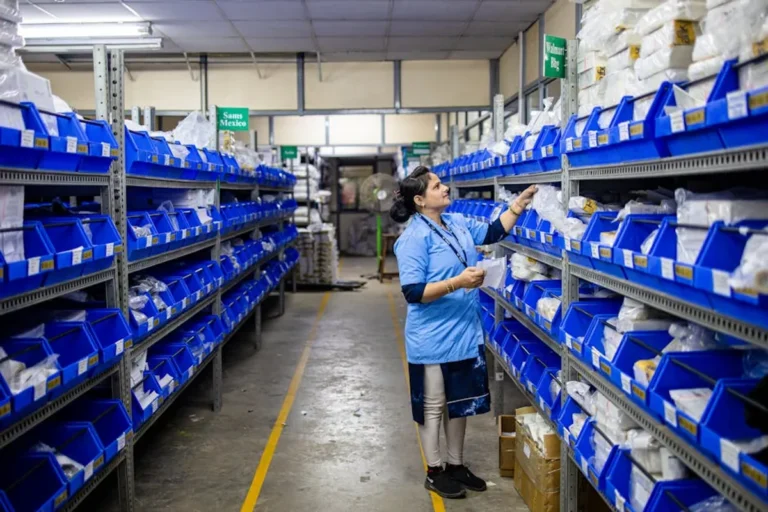

A healthcare logistics audit is not merely a compliance exercise; it is a strategic imperative for any organization handling sensitive medical products. From pharmaceuticals and biologics to medical devices and patient samples, the integrity of the supply chain directly impacts patient safety, operational costs, and regulatory standing. This checklist provides a structured framework to systematically evaluate your logistics operations, identify vulnerabilities, and drive measurable improvements in efficiency, compliance, and risk mitigation.
Defining the Scope of Your Healthcare Logistics Audit
Before initiating any audit, clearly define its boundaries and objectives. A well-scoped audit focuses resources on critical areas, ensuring actionable outcomes rather than a broad, unfocused review.
Identifying Key Operational Areas
Pinpoint the specific segments of your logistics chain that require scrutiny. This might include inbound receiving, warehousing, order fulfillment, outbound shipping, returns management, or last-mile delivery. Consider the types of products handled (e.g., ambient, refrigerated, frozen, hazardous materials) as these dictate specific regulatory and operational requirements.
Establishing Audit Objectives
Translate the operational areas into measurable objectives. Examples include: reducing cold chain deviations by 15%, ensuring 100% compliance with Good Distribution Practices (GDP), or optimizing warehouse space utilization by 10%. Objectives should be SMART: Specific, Measurable, Achievable, Relevant, and Time-bound.
Core Components of a Healthcare Logistics Audit
A thorough audit examines several interdependent facets of your logistics infrastructure. Each component presents unique risks and opportunities for improvement.
Inventory Management and Cold Chain Integrity
Product efficacy and patient safety hinge on maintaining precise environmental conditions. The audit must verify the robust control of inventory and temperature-sensitive items.
- Temperature Monitoring: Verify calibration records for all temperature monitoring devices (data loggers, thermometers) against ISO/IEC 17025 standards. Check for documented deviations from specified temperature ranges and corresponding corrective actions.
- Storage Conditions: Assess warehouse zones for appropriate temperature, humidity, light exposure, and ventilation. Confirm segregation of different product types (e.g., quarantined, expired, hazardous).
- Stock Rotation: Review adherence to First-In, First-Out (FIFO) or First-Expiry, First-Out (FEFO) protocols to minimize waste and ensure product viability.
- Security: Evaluate access controls, surveillance systems, and inventory reconciliation processes to prevent theft or tampering.
Transportation and Distribution Network
The movement of healthcare products requires secure, efficient, and compliant transportation from origin to destination.
Specific checks: Evaluate carrier qualification processes, including their regulatory licenses and insurance. Review route optimization strategies for efficiency and risk reduction. Inspect vehicle conditions, especially for temperature-controlled transport, ensuring proper maintenance and calibration of refrigeration units. Verify real-time tracking capabilities and documented incident response procedures for transit delays or product damage.
Regulatory Compliance and Documentation
Healthcare logistics is heavily regulated. The audit must confirm adherence to all applicable national and international standards.
Specific checks: Review licenses and permits for all facilities and transportation providers. Verify compliance with Good Distribution Practices (GDP), FDA 21 CFR Part 11 for electronic records, and local health authority regulations. Inspect documentation for completeness, accuracy, and accessibility, including standard operating procedures (SOPs), training records, and quality agreements with third-party logistics (3PL) providers.
Pro Tip: Focus on the audit trail. Every critical action, from product receipt to final delivery, should have a clear, attributable, and verifiable record. Incomplete or inconsistent documentation is a primary indicator of compliance risk.
Technology Integration and Data Management
Modern logistics relies on integrated systems for efficiency and visibility. The audit assesses the effectiveness and security of these technological foundations.
Specific checks: Evaluate the integration between Warehouse Management Systems (WMS), Transportation Management Systems (TMS), and Enterprise Resource Planning (ERP) platforms. Assess data accuracy, integrity, and security protocols, including cybersecurity measures and data backup/recovery plans. Review system validation documentation to ensure software performs as intended within a regulated environment.
Risk Management and Contingency Planning
Proactive identification and mitigation of potential disruptions are crucial for supply chain resilience.
Specific checks: Review documented risk assessments for supply chain vulnerabilities (e.g., natural disasters, geopolitical events, supplier failures). Evaluate the effectiveness of contingency plans for product recalls, cold chain excursions, and transportation disruptions. Assess business continuity plans for critical logistics functions.
Personnel Training and Competency
The human element is central to successful logistics operations. Audit employee qualifications and ongoing development.
Specific checks: Verify that all personnel involved in handling healthcare products receive documented training on relevant SOPs, regulatory requirements, and product-specific handling instructions. Confirm training effectiveness through competency assessments and review records of recurring training sessions.
Executing the Audit: Data Collection and Analysis
Effective data collection underpins a robust audit. The analysis phase translates raw data into actionable insights.
Methods for Gathering Information
Employ a multi-faceted approach to collect comprehensive data:
- Interviews: Conduct structured interviews with key personnel across all relevant departments (e.g., operations, quality assurance, IT, procurement).
- Site Visits and Observations: Physically inspect facilities, observe processes in action, and verify adherence to documented procedures.
- Document Review: Examine SOPs, quality manuals, training records, maintenance logs, calibration certificates, and regulatory filings.
- Data Analytics: Analyze operational data from WMS, TMS, and temperature monitoring systems to identify trends, deviations, and performance metrics.
Analyzing Findings and Identifying Gaps
Systematically compare collected data against established standards, regulations, and best practices. Categorize findings by severity and potential impact on patient safety, compliance, or operational efficiency. Quantify performance metrics such as on-time delivery rates, cold chain excursion rates, and inventory accuracy percentages to establish benchmarks.
Developing Actionable Recommendations
An audit's value is realized through the implementation of concrete improvements. Recommendations must be specific, prioritized, and assigned ownership.
Prioritize findings based on risk level and potential impact. Develop short-term corrective actions for immediate issues and long-term strategic initiatives for systemic improvements. Assign clear responsibilities for each recommendation, establish realistic timelines, and define metrics for measuring success. A follow-up mechanism is essential to track implementation and verify effectiveness.
Driving Actionable Change from Audit Findings
A healthcare logistics audit is not a one-time event but a critical component of a continuous improvement cycle. The insights gained from a rigorous audit provide the foundation for strategic enhancements that bolster patient safety, optimize operational costs, and solidify regulatory compliance. By systematically addressing identified gaps and implementing targeted improvements, organizations can transform vulnerabilities into competitive advantages, ensuring the reliable and secure delivery of vital healthcare products.
Frequently Asked Questions About Healthcare Logistics Audits
What is the primary purpose of a healthcare logistics audit?
The primary purpose is to systematically evaluate the efficiency, compliance, and risk profile of an organization's logistics operations for medical products, ultimately safeguarding patient safety and optimizing costs.
How often should a healthcare logistics audit be conducted?
While regulatory requirements may dictate specific frequencies, a comprehensive internal audit should ideally be conducted annually, with targeted reviews or mini-audits performed more frequently for high-risk areas or after significant operational changes.
Who typically performs a healthcare logistics audit?
Audits can be performed by internal quality assurance teams, dedicated internal audit departments, or external third-party auditors with specialized expertise in healthcare logistics and regulatory compliance.
What are the critical areas to focus on in a cold chain audit?
A cold chain audit must focus on temperature monitoring device calibration, storage environment validation, temperature excursion protocols, transportation vehicle qualification, and personnel training specific to cold chain handling.