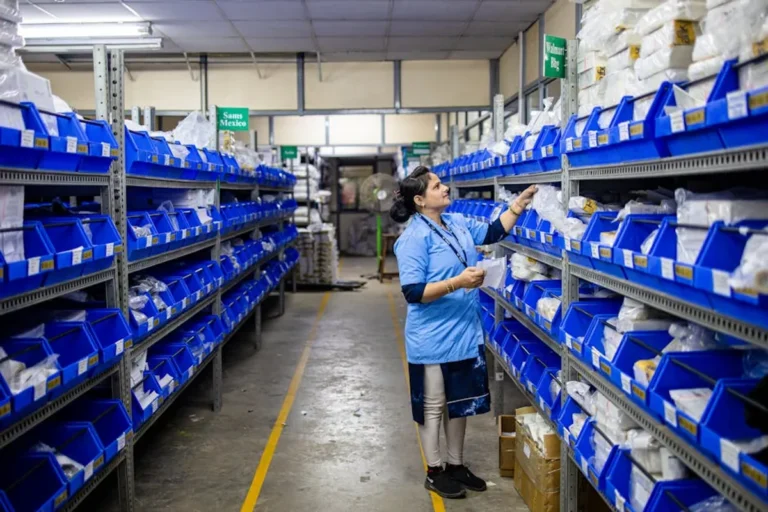

For hospitals and laboratories, consistent access to critical supplies is not merely an operational concern; it directly impacts patient safety, research continuity, and financial stability. Disruptions, whether from geopolitical events, natural disasters, or simple forecasting errors, can halt essential procedures, delay diagnostics, and compromise research timelines. Addressing supply reliability means moving beyond reactive crisis management to proactive, data-driven strategies that build resilience into every link of the chain. This requires a clear understanding of current vulnerabilities and a commitment to implementing systems that predict, mitigate, and adapt to potential interruptions.
Building Resilient Supply Networks
A primary vulnerability in healthcare supply chains stems from over-reliance on single sources or geographically concentrated suppliers. Diversifying the vendor base for critical items reduces dependence and spreads risk, ensuring that a disruption to one supplier does not cripple operations. This diversification should consider both geographic location and production capacity, favoring a mix of regional and international partners where appropriate.
Establishing robust supplier qualification processes is fundamental. This involves evaluating not just price, but also a supplier's financial stability, quality control protocols, lead time consistency, and their own supply chain resilience. Regular audits and performance reviews, coupled with clear communication channels, transform transactional relationships into strategic partnerships. These partnerships are critical for sharing demand forecasts, understanding potential constraints, and collaborating on contingency plans.
Optimizing Inventory and Forecasting
Effective inventory management moves beyond simple stock-keeping. It involves a nuanced approach to balancing carrying costs with the risk of stockouts. While Just-in-Time (JIT) principles can reduce waste and storage expenses, their application in healthcare requires careful consideration for critical, life-sustaining supplies. For these items, maintaining strategic safety stock levels, based on historical consumption, anticipated demand surges, and supplier lead times, is non-negotiable. This safety stock acts as a buffer against unforeseen delays or demand spikes.
Demand forecasting accuracy is paramount. Traditional methods often rely on historical data, which can be insufficient during pandemics, seasonal outbreaks, or rapid technological shifts. Integrating real-time operational data—such as patient admissions, procedure schedules, and research project phases—with external market intelligence provides a more dynamic and precise demand picture. This enhanced foresight allows for more accurate ordering, reducing both excess inventory and critical shortages.
- Key data points for forecasting:
- Historical consumption rates (monthly, quarterly, annually)
- Current patient census and projected admission rates
- Scheduled surgical procedures and diagnostic tests
- Research project timelines and material requirements
- Seasonal trends for specific illnesses or supplies
- Public health alerts and epidemiological data
- Supplier lead times and production capacities
Leveraging Technology for Predictive Insights
Modern supply chain resilience hinges on robust technological infrastructure. Enterprise Resource Planning (ERP) systems, when properly integrated with inventory management software and procurement platforms, provide a centralized view of stock levels, order statuses, and supplier performance. This digital backbone enables automated reordering, tracks expiration dates, and flags potential shortages before they become critical.
Beyond basic automation, predictive analytics and machine learning are transforming forecasting capabilities. These advanced tools can analyze vast datasets—including historical purchases, epidemiological trends, weather patterns, and even social media sentiment—to identify subtle patterns and anticipate demand fluctuations with greater accuracy. This allows hospitals and labs to proactively adjust purchasing strategies, allocate resources more effectively, and pre-position critical supplies.
Real-time tracking solutions, from RFID tags to GPS-enabled transport monitoring, enhance visibility across the entire supply chain. Knowing the exact location and status of shipments provides crucial data for managing unexpected delays and communicating accurate delivery estimates to end-users. This transparency is vital for making informed decisions during disruptions.
Pro Tip: Do not conflate "cost-cutting" with "efficiency" in healthcare supply chains. Prioritizing the lowest unit price without considering lead times, quality consistency, or supplier reliability often leads to higher total costs, increased operational risk, and compromised patient care.
Establishing Proactive Supply Chain Posture
Improving supply reliability is an ongoing process that demands continuous evaluation and adaptation. It requires a holistic view, integrating insights from clinical staff, procurement, finance, and IT departments. Regular scenario planning and stress testing of the supply chain—simulating events like natural disasters or sudden demand surges—can uncover hidden vulnerabilities and refine emergency response protocols. By investing in diversified supplier networks, optimizing inventory with data-driven forecasting, and leveraging advanced technology for predictive insights, hospitals and labs can transition from a reactive stance to a proactive, resilient supply chain posture, ultimately safeguarding patient outcomes and operational continuity. By investing in diversified supplier networks, optimizing inventory with data-driven forecasting, and leveraging advanced technology for predictive insights into supply chain operations, hospitals and labs ca
Frequently Asked Questions
What is the primary risk of unreliable supply chains in healthcare?
The primary risk is the direct impact on patient care, including delayed or canceled procedures, compromised diagnostic capabilities, and an inability to provide essential treatments, which can lead to adverse health outcomes.
How can technology specifically help with demand forecasting?
Technology, particularly predictive analytics and machine learning, can analyze complex datasets (historical purchases, patient data, epidemiological trends) to identify patterns and anticipate future demand fluctuations more accurately than traditional methods, allowing for proactive inventory adjustments.
Is Just-in-Time (JIT) inventory suitable for all medical supplies?
While JIT can reduce carrying costs, it is generally not suitable for critical, life-sustaining medical supplies where even short stockouts pose significant risks. A hybrid approach, combining JIT for non-critical items with strategic safety stock for essential goods, is often more appropriate in healthcare.
What role do supplier relationships play in reliability?
Strong supplier relationships are crucial for reliability. They facilitate open communication, allow for shared demand forecasting, enable collaborative problem-solving during disruptions, and ensure priority access to supplies when demand surges, moving beyond transactional exchanges to strategic partnerships.