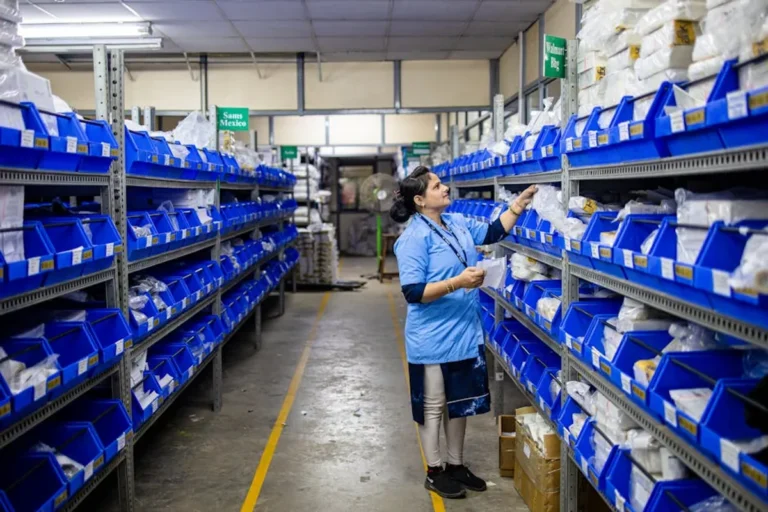

The integrity and timely delivery of medical shipments are non-negotiable. From life-saving pharmaceuticals and sensitive biologics to critical medical devices, every transit segment carries inherent risks—temperature excursions, delays, theft, or misplacement. For businesses operating within the life sciences supply chain, the decision to implement real-time tracking is not merely an operational upgrade; it is a strategic imperative to safeguard product efficacy, ensure patient safety, maintain regulatory compliance, and optimize significant financial investments. Understanding how real-time tracking fundamentally transforms these operations is crucial for any stakeholder evaluating its adoption.
Transforming Medical Logistics Through Enhanced Visibility
Real-time tracking provides an immediate, granular view into the status and environmental conditions of medical shipments, moving beyond traditional checkpoint scanning to continuous data streams. This constant influx of information offers several distinct advantages:
Uninterrupted Shipment Monitoring
Unlike passive tracking, which relies on periodic scans at transit points, real-time systems transmit data continuously. This means knowing the exact location of a package at any given moment, not just its last known stop. For high-value or time-critical medical goods, this continuous visibility is paramount for security and immediate intervention. It allows logistics managers to pinpoint delays, verify routes, and confirm delivery without relying on manual updates.
Precise Environmental Condition Control
Many medical products, particularly biologics, vaccines, and certain pharmaceuticals, require strict temperature and humidity control throughout their journey—the "cold chain." Real-time tracking integrates with IoT sensors to monitor these parameters continuously. If a shipment deviates from its specified temperature range, alerts are triggered immediately, enabling corrective action before product viability is compromised. This proactive approach minimizes spoilage, reduces waste, and protects the efficacy of sensitive materials.
Proactive Risk Mitigation and Intervention
The ability to access live data transforms risk management from reactive problem-solving to proactive prevention. When a shipment encounters unexpected delays due to weather, traffic, or customs issues, real-time tracking allows for immediate assessment and alternative routing. For security breaches or potential theft, instant alerts enable rapid response from security teams or law enforcement, significantly increasing recovery chances for high-value cargo. This capability directly reduces financial losses associated with damaged, lost, or compromised inventory.
Operational Efficiencies and Compliance Advantages
Beyond immediate visibility, real-time tracking fundamentally streamlines operational processes and bolsters regulatory adherence.
Optimized Resource Allocation and Route Planning
With precise data on transit times, potential bottlenecks, and actual delivery performance, logistics teams can refine route planning and optimize resource allocation. This leads to more efficient use of vehicles, reduced fuel consumption, and better scheduling of personnel. Over time, the aggregated data from real-time tracking provides valuable insights for strategic network optimization, identifying underperforming routes or carriers, and negotiating better service level agreements.
Streamlined Inventory Management and Reduced Waste
Accurate, real-time tracking provides a clearer picture of incoming inventory, allowing for more precise planning of warehouse space, staffing, and outbound shipments. This reduces the need for buffer stock, minimizes holding costs, and decreases the likelihood of product expiry while awaiting delivery. For products with short shelf lives, this precision is critical to ensuring they reach their destination with maximum usability.
Unassailable Regulatory Compliance and Audit Trails
The medical industry operates under stringent regulatory frameworks (e.g., FDA, GMP, GxP). Real-time tracking systems automatically log comprehensive data points for every shipment: location history, environmental conditions, chain of custody, and timestamps. This creates an immutable, verifiable audit trail that is essential for regulatory reporting, quality assurance, and dispute resolution. In the event of an audit or product recall, having immediate access to this detailed, tamper-proof data significantly simplifies the process and demonstrates due diligence.
Pro Tip: When evaluating real-time tracking solutions, prioritize systems that offer robust data integration capabilities. A standalone tracking platform provides limited value if its data cannot seamlessly feed into your existing Transportation Management Systems (TMS), Warehouse Management Systems (WMS), or Enterprise Resource Planning (ERP) software. True operational improvement comes from unified data streams that inform broader business intelligence and automate decision-making, rather than creating another silo of information.
Key Technologies Powering Real-Time Medical Shipment Tracking
The efficacy of real-time tracking hinges on the integration of various technologies:
- GPS and Cellular Networks: Provide fundamental location data, often augmented by Wi-Fi triangulation in urban areas or satellite communication in remote regions. This ensures continuous geographic positioning.
- Internet of Things (IoT) Sensors: Small, battery-powered devices embedded within packaging or containers that monitor environmental factors like temperature, humidity, light exposure, shock, and tilt. They transmit data via cellular, Wi-Fi, or proprietary low-power wide-area networks (LPWANs).
- RFID (Radio-Frequency Identification) and Barcode Scanning: Used for item-level identification and tracking, particularly within warehouses or at key transit points. RFID offers passive scanning capabilities, speeding up inventory checks and reducing human error.
- Cloud-Based Platforms and Analytics: The software layer that aggregates data from all sensors and devices, providing dashboards, generating alerts, and performing predictive analytics. These platforms often include features for route optimization, compliance reporting, and performance metrics.
Maximizing Your Tracking Investment
Implementing real-time tracking is an ongoing process of refinement. To fully leverage the benefits, organizations should focus on:
- Continuous Data Analysis: Regularly review tracking data to identify recurring issues, optimize routes, and improve carrier performance. Look for trends in temperature excursions, delays, or specific high-risk segments.
- System Integration: Ensure tracking data flows seamlessly into your broader logistics and enterprise systems. This prevents data silos and allows for a holistic view of your supply chain.
- Stakeholder Training: Equip logistics teams, drivers, and warehouse personnel with the knowledge to utilize tracking data effectively and respond to alerts promptly.
- Scalability Planning: Choose a solution that can scale with your business growth, accommodating new routes, increased shipment volumes, and evolving regulatory requirements.
Frequently Asked Questions
What types of medical shipments benefit most from real-time tracking?
Highly sensitive pharmaceuticals, biologics, vaccines, clinical trial materials, and high-value medical devices benefit most due to their strict environmental requirements, critical timelines, and significant financial or patient safety implications.
Is real-time tracking only for large enterprises?
No, scalable real-time tracking solutions exist for businesses of all sizes. While large enterprises may implement complex integrated systems, smaller companies can start with cost-effective, sensor-based solutions for critical shipments and expand as needed.
How does real-time tracking ensure data security and privacy?
Reputable real-time tracking providers implement robust encryption protocols for data transmission and storage, adhere to data privacy regulations (e.g., GDPR, HIPAA where applicable to data handling), and offer role-based access controls to protect sensitive shipment information.
What is the typical ROI for implementing real-time tracking in medical logistics?
ROI varies but is often realized through reduced product spoilage and waste, lower insurance premiums, fewer lost shipments, improved on-time delivery rates, enhanced customer satisfaction, and streamlined regulatory compliance processes that save audit time and potential fines.