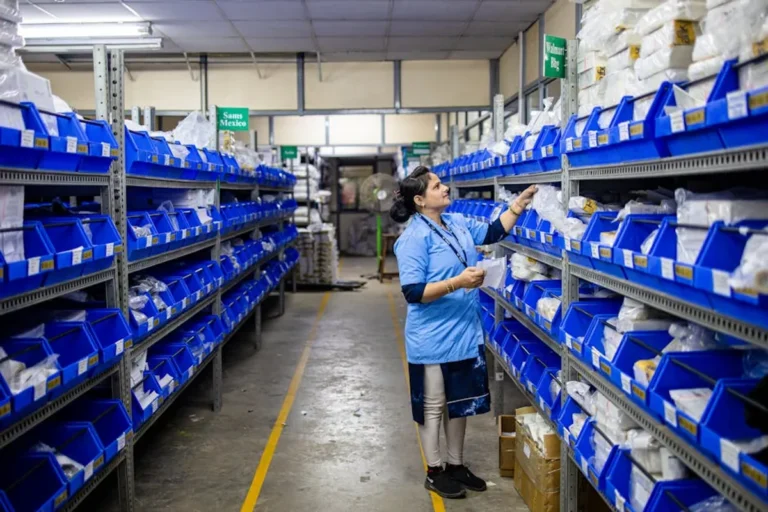

Auditing a life sciences logistics process is not merely a compliance exercise; it is a strategic imperative for organizations handling sensitive biological materials, pharmaceuticals, and medical devices. The precision required in temperature control, regulatory adherence, and timely delivery directly impacts patient outcomes, research integrity, and commercial viability. An effective audit identifies inefficiencies, mitigates risks, and ensures that the entire supply chain operates with the highest standards of quality and reliability. This structured approach helps stakeholders make informed decisions, optimize resource allocation, and maintain a competitive edge in a highly regulated industry.
Define the Audit Scope and Objectives
Before initiating any review, clearly delineate what the audit will cover and what it aims to achieve. A well-defined scope prevents mission creep and ensures resources are focused on the most critical areas. Objectives should be SMART: Specific, Measurable, Achievable, Relevant, and Time-bound.
- Geographic Scope: Will the audit cover local, national, or international logistics operations?
- Process Scope: Which specific logistics functions are under review? Examples include cold chain management, warehousing, transportation (first-mile, mid-mile, last-mile), customs clearance, returns, or clinical trial supply distribution.
- Product Scope: Is the audit focused on specific product categories, such as vaccines, biologics, active pharmaceutical ingredients (APIs), or medical devices?
- Regulatory Scope: Which regulatory bodies and standards are paramount for this audit? This dictates the compliance benchmarks.
- Key Objectives: Common objectives include identifying compliance gaps, reducing operational costs, improving delivery reliability, minimizing temperature excursions, enhancing data integrity, or assessing vendor performance.
Identify Regulatory Frameworks and Industry Standards
The life sciences sector operates under stringent regulations that vary by region and product type. A comprehensive audit must benchmark processes against these mandates. Failure to comply can result in severe penalties, product recalls, and reputational damage.
Examples of critical regulatory bodies and standards include:
- U.S. Food and Drug Administration (FDA) regulations, particularly 21 CFR Parts 210, 211, and 820 (cGMP for drugs and medical devices).
- European Medicines Agency (EMA) Guidelines on Good Distribution Practice (GDP) of medicinal products for human use.
- International Council for Harmonisation of Technical Requirements for Pharmaceuticals for Human Use (ICH) guidelines, such as ICH Q9 (Quality Risk Management) and ICH Q10 (Pharmaceutical Quality System).
- Country-specific health authority requirements (e.g., Health Canada, PMDA Japan).
- International Air Transport Association (IATA) Perishable Cargo Regulations (PCR) for air freight of temperature-sensitive goods.
Documenting these specific requirements establishes the baseline for evaluating process performance and compliance.
Map Current Logistics Processes
A detailed understanding of existing workflows is fundamental. This involves creating process maps or flowcharts that visually represent each step, from raw material sourcing to final delivery. This exercise reveals bottlenecks, redundancies, and potential points of failure that might otherwise remain hidden.
Key activities include:
- Interviewing personnel across all relevant departments (e.g., quality assurance, operations, procurement, clinical trials).
- Reviewing standard operating procedures (SOPs), work instructions, and existing documentation.
- Observing actual operations to compare documented processes with real-world execution.
- Tracing the journey of specific products through the supply chain to identify hand-off points and potential risks.
Data Collection and Analysis
An audit’s credibility hinges on objective, verifiable data. Establish clear methods for collecting and analyzing information related to performance, quality, and compliance.
Establish Key Performance Indicators (KPIs)
KPIs provide measurable insights into the effectiveness and efficiency of logistics operations. Select KPIs that directly align with the audit's objectives and the specific regulatory requirements.
Relevant KPIs for life sciences logistics often include:
- On-time, in-full (OTIF) delivery rate: Percentage of shipments delivered on schedule and complete.
- Temperature excursion rate: Frequency and duration of deviations from required temperature ranges.
- Inventory accuracy: Discrepancy between recorded and physical inventory.
- Damage/loss rate: Percentage of products damaged or lost during transit or storage.
- Compliance deviation rate: Number of non-conformances identified against regulatory or internal standards.
- Cost per shipment: Total logistics cost divided by the number of shipments.
- Cycle time: Time taken from order placement to delivery.
Conduct a Thorough Risk Assessment
Identify, analyze, and evaluate potential risks that could impact product quality, patient safety, or regulatory compliance. This assessment should cover all stages of the logistics process.
Pro Tip: Focus on the "what if" scenarios. What if a power outage occurs in a cold storage facility? What if a carrier experiences an unexpected delay? Quantify the likelihood and potential impact of each identified risk to prioritize mitigation efforts.
Common risk categories include:
- Temperature control risks: Equipment failure, human error, transit delays.
- Security risks: Theft, tampering, unauthorized access.
- Compliance risks: Documentation errors, untrained personnel, outdated procedures.
- Operational risks: Carrier performance issues, capacity shortages, natural disasters.
Gap Identification and Recommendations
Synthesize the collected data and risk assessment findings to pinpoint discrepancies between current performance and desired standards or regulatory requirements. These are the "gaps" that the audit aims to address.
Develop Corrective and Preventive Actions (CAPA)
For each identified gap or non-conformance, formulate specific CAPA plans. Corrective actions address existing issues, while preventive actions aim to prevent recurrence. Each CAPA should have a clear owner, a defined timeline, and measurable success criteria.
A robust CAPA plan includes:
- Problem Description: A precise statement of the non-conformance or deviation.
- Root Cause Analysis: Investigation into the underlying reasons for the problem, not just the symptoms.
- Corrective Action: Steps taken to eliminate the identified non-conformance.
- Preventive Action: Steps taken to prevent recurrence of the non-conformance.
- Effectiveness Check: How the success of the CAPA will be verified.
Implementation and Continuous Monitoring
An audit is not a one-time event. The value lies in the implementation of recommendations and the establishment of a system for ongoing vigilance.
Roll Out Changes and Training
Implement the approved CAPA plans, which may involve updating SOPs, investing in new technology, or changing vendor agreements. Crucially, provide comprehensive training to all affected personnel to ensure understanding and adoption of new processes.
Establish a Monitoring and Re-audit Schedule
Regularly monitor the effectiveness of implemented changes through the established KPIs. Schedule periodic re-audits to ensure sustained compliance and continuous improvement. This iterative process helps maintain high standards and adapt to evolving regulatory landscapes and business needs.
Sustaining Logistics Excellence
A well-executed logistics audit in the life sciences sector provides a clear roadmap for operational improvement and risk reduction. By systematically defining scope, adhering to regulatory benchmarks, analyzing data, and implementing targeted corrective actions, organizations can build a resilient, compliant, and efficient supply chain. This proactive approach safeguards product integrity, ensures patient safety, and strengthens an organization's position in a demanding global market.
Frequently Asked Questions
How frequently should a life sciences logistics audit be conducted?
The frequency depends on several factors, including regulatory requirements, the complexity of operations, the volume of high-risk products, and previous audit findings. Typically, a comprehensive audit should occur every 1-3 years, with interim reviews or targeted audits for specific high-risk areas or after significant operational changes.
What are the biggest risks in life sciences logistics?
The primary risks include temperature excursions leading to product degradation, regulatory non-compliance resulting in fines or recalls, supply chain disruptions (e.g., natural disasters, geopolitical events), security breaches (theft, counterfeiting), and data integrity issues affecting traceability and documentation.
Who should be involved in the audit process?
A successful audit requires a cross-functional team. Key participants typically include representatives from Quality Assurance, Logistics/Supply Chain Operations, Regulatory Affairs, Procurement, and potentially IT. External auditors with specialized expertise in life sciences logistics can also provide an objective perspective.
What is the difference between a logistics audit and a quality audit?
A logistics audit specifically focuses on the efficiency, cost-effectiveness, and compliance of the physical movement and storage of goods. A quality audit, while encompassing logistics, has a broader scope, evaluating the entire quality management system (QMS) of an organization, including product design, manufacturing, and post-market surveillance, to ensure adherence to quality standards and regulatory requirements.