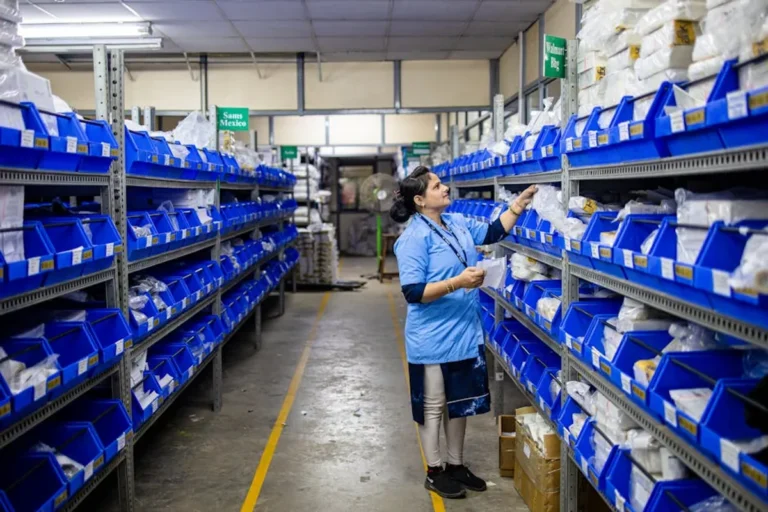

Managing returns in healthcare logistics presents a distinct set of challenges that go beyond typical retail or industrial reverse logistics. The process involves not only financial implications but also critical considerations for patient safety, regulatory compliance, and product integrity, especially for temperature-sensitive or sterile items. An inefficient returns system can lead to significant financial losses, jeopardize patient well-being through improper handling of expired or compromised products, and expose organizations to regulatory penalties. Establishing a robust and compliant returns management framework is therefore not merely an operational task but a strategic imperative for any entity handling medical devices, pharmaceuticals, or other healthcare products. Establishing a robust and compliant process is key to managing these complex return flows effectively and safely.
Understanding the Unique Challenges of Healthcare Returns
Regulatory Compliance and Patient Safety
Healthcare products are subject to stringent regulations from bodies like the FDA in the United States, which dictate how items must be handled, stored, and disposed of. Returns often involve products that are expired, damaged, recalled, or have been exposed to uncontrolled environments. Each category requires specific protocols to ensure they do not re-enter the supply chain or pose a risk to public health. Failure to comply can result in severe fines, product recalls, and reputational damage. The primary concern is preventing compromised products from reaching patients, necessitating meticulous tracking and segregation of returned goods from the moment they leave the point of use.
Product Integrity and Cold Chain Management
Many healthcare products, including vaccines, biologics, and certain pharmaceuticals, require strict temperature control throughout their lifecycle, including during transit and storage. This "cold chain" integrity is particularly vulnerable during the returns process, where conditions are often less controlled than forward logistics. Ensuring that returned items, even if they are destined for destruction, are handled in a manner that prevents contamination or degradation impacting other products is critical. For items that might be eligible for re-stocking (a rare occurrence in healthcare), verifiable cold chain maintenance is non-negotiable. This demands specialized packaging, temperature monitoring devices, and dedicated transport solutions for returns.
Cost Implications and Waste Reduction
The cost associated with healthcare returns extends beyond the value of the product itself. It includes transportation, handling, quality control assessments, storage, and often, specialized disposal. Improperly managed returns contribute significantly to waste, both in terms of product and operational resources. Optimizing the returns process aims to minimize these costs by streamlining operations, reducing the volume of unnecessary returns through better forward logistics, and identifying opportunities for responsible product recovery or recycling where permissible and safe. The goal is to balance the imperative of safety and compliance with economic efficiency.
Establishing a Robust Returns Management System
Policy Development and Standardization
A clear, comprehensive returns policy is the foundation of an effective system. This policy must define what products are eligible for return, under what conditions, within what timeframe, and the exact procedures for initiation and processing. It needs to address different return reasons (e.g., damage, expiration, recall, customer error) and specify the required documentation. Standardization across all operational sites and partners ensures consistency, reduces errors, and simplifies training. This policy should be regularly reviewed and updated to reflect changes in regulations, product lines, and operational capabilities.
Technology Integration for Traceability
Leveraging technology is crucial for managing the complexity of healthcare returns. A robust Enterprise Resource Planning (ERP) or Warehouse Management System (WMS) integrated with a dedicated Reverse Logistics Management (RLM) module can provide end-to-end visibility. Key functionalities include:
- Automated return merchandise authorization (RMA) generation
- Real-time tracking of returned items
- Digital capture of product condition and reason for return
- Integration with inventory systems to prevent re-entry of non-conforming products
- Reporting and analytics for identifying return trends and root causes
This level of technological integration ensures that every returned item's journey is documented, auditable, and transparent, which is vital for compliance and quality control.
Reverse Logistics Network Optimization
Designing an efficient reverse logistics network specifically for healthcare products involves strategic decisions about collection points, consolidation centers, and disposal facilities. Unlike forward logistics, where speed to market is paramount, reverse logistics prioritizes compliance, safety, and cost-effectiveness for items moving backward through the supply chain. This might involve dedicated return routes, specialized carriers, or agreements with third-party logistics (3PL) providers experienced in handling regulated medical waste or sensitive pharmaceutical returns. The network design should minimize transit times for temperature-sensitive items and consolidate returns where feasible to reduce transportation costs without compromising product integrity.
Key Operational Strategies for Efficient Returns
Centralized Processing Centers
Establishing centralized processing centers for returns allows for specialized staff, equipment, and standardized procedures. These centers can be equipped with dedicated areas for inspection, segregation, quality assessment, and preparation for disposal or, in rare cases, re-stocking. Centralization reduces the need for multiple sites to maintain complex return capabilities, leading to economies of scale in labor, training, and infrastructure. It also enhances consistency in decision-making regarding product disposition, ensuring that regulatory requirements are met uniformly.
Vendor Relationship Management
Effective returns management often requires close collaboration with suppliers and manufacturers. This includes negotiating clear return agreements that specify responsibilities for handling, transportation, and credit for returned goods. Many manufacturers have their own return policies and processes, especially for high-value or highly regulated items. Streamlining these interactions through established communication channels and agreed-upon protocols can significantly reduce delays and disputes, improving the overall efficiency of the reverse supply chain.
Data Analytics for Continuous Improvement
Collecting and analyzing data on returns is essential for identifying patterns, root causes, and areas for process improvement. This involves tracking metrics such as:
- Return volume by product, reason, and location
- Cost per return
- Processing time from initiation to final disposition
- Compliance rates with internal and external regulations
- Impact of returns on inventory and financial statements
By understanding why products are returned and where bottlenecks occur, organizations can implement corrective actions in forward logistics (e.g., improved packaging, better order fulfillment accuracy) or refine the returns process itself, leading to sustained operational and financial benefits.
Pro Tip: Implement a "no-questions-asked" return policy for critical patient safety items, but couple it with rigorous internal tracking. This prioritizes patient well-being and immediate removal of potentially compromised products, while data capture still allows for root cause analysis to prevent future occurrences.
Optimizing Your Returns Process for Future Resilience
Proactive management of healthcare returns is an ongoing commitment, not a one-time fix. Organizations must continuously monitor their processes, adapt to new regulatory landscapes, and embrace technological advancements. This includes investing in staff training to ensure all personnel understand the critical nature of their role in maintaining product integrity and patient safety during returns. Regular audits, both internal and external, provide objective assessments of compliance and operational effectiveness. By treating returns management as an integral part of the overall supply chain strategy, healthcare logistics providers can build a resilient system that mitigates risks, controls costs, and ultimately supports superior patient care.
Frequently Asked Questions
What is the primary difference between healthcare and retail returns?
Healthcare returns prioritize patient safety, product integrity (especially for cold chain items), and strict regulatory compliance, often involving specialized handling for hazardous or expired materials, while retail returns typically focus on customer satisfaction and financial recovery.
How does cold chain management impact healthcare returns?
Cold chain management is critical for returns of temperature-sensitive pharmaceuticals and biologics; it dictates specialized packaging, temperature monitoring, and expedited transport even for items destined for destruction, to prevent contamination or degradation that could affect other products.
Can returned healthcare products be re-stocked?
Re-stocking returned healthcare products is rare and highly regulated. It is only permissible if the product's integrity, sterility, and cold chain history can be unequivocally verified, typically requiring extensive quality control checks and adherence to specific regulatory guidelines.
What role does technology play in managing healthcare returns?
Technology, such as integrated ERP/WMS with RLM modules, provides end-to-end traceability, automates return authorization, tracks product condition, and offers data analytics for process improvement, ensuring compliance and operational efficiency in a complex environment.