Logistics delays represent more than just a temporary inconvenience; they directly impact profitability, customer satisfaction, and brand reputation. For businesses operating with complex supply chains, every delay translates into increased carrying costs, potential stockouts, missed delivery windows, and ultimately, lost revenue and eroded trust. Understanding the root causes of these disruptions and implementing targeted, data-driven strategies is not merely an operational task, but a critical component of maintaining competitive advantage and ensuring long-term business resilience.
Proactive Planning and Forecasting
Effective delay reduction begins long before a shipment leaves the warehouse. Robust planning and accurate forecasting mitigate many common issues before they manifest. This involves leveraging historical data, market trends, and predictive analytics to anticipate demand fluctuations and potential supply chain bottlenecks.
Demand Forecasting Accuracy
Inaccurate demand forecasts are a primary driver of both excess inventory and stockouts, each leading to downstream delays. Implementing advanced forecasting models, such as machine learning algorithms that analyze multiple variables (e.g., seasonality, promotions, economic indicators), provides a more precise demand signal. This allows for more strategic inventory positioning and production scheduling, reducing the likelihood of last-minute rushes or material shortages.
Best for: Businesses with fluctuating demand patterns or a wide product catalog.
Optimized Inventory Management
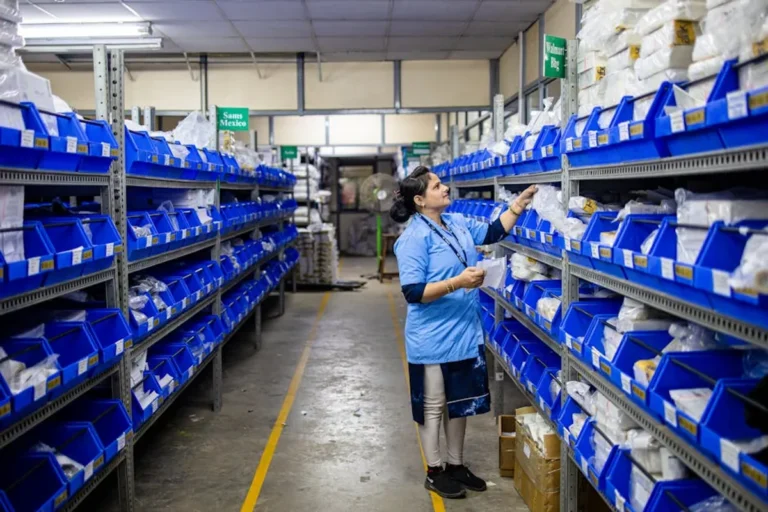
Balancing inventory levels is crucial. While just-in-time (JIT) strategies minimize carrying costs, they also increase vulnerability to disruptions. A balanced approach often involves maintaining strategic safety stock for critical components or high-demand products, determined by lead time variability and demand uncertainty. Implementing an inventory management system (IMS) that provides real-time visibility into stock levels across all locations prevents delays caused by misallocated or unavailable products.
Strategic Route and Network Optimization
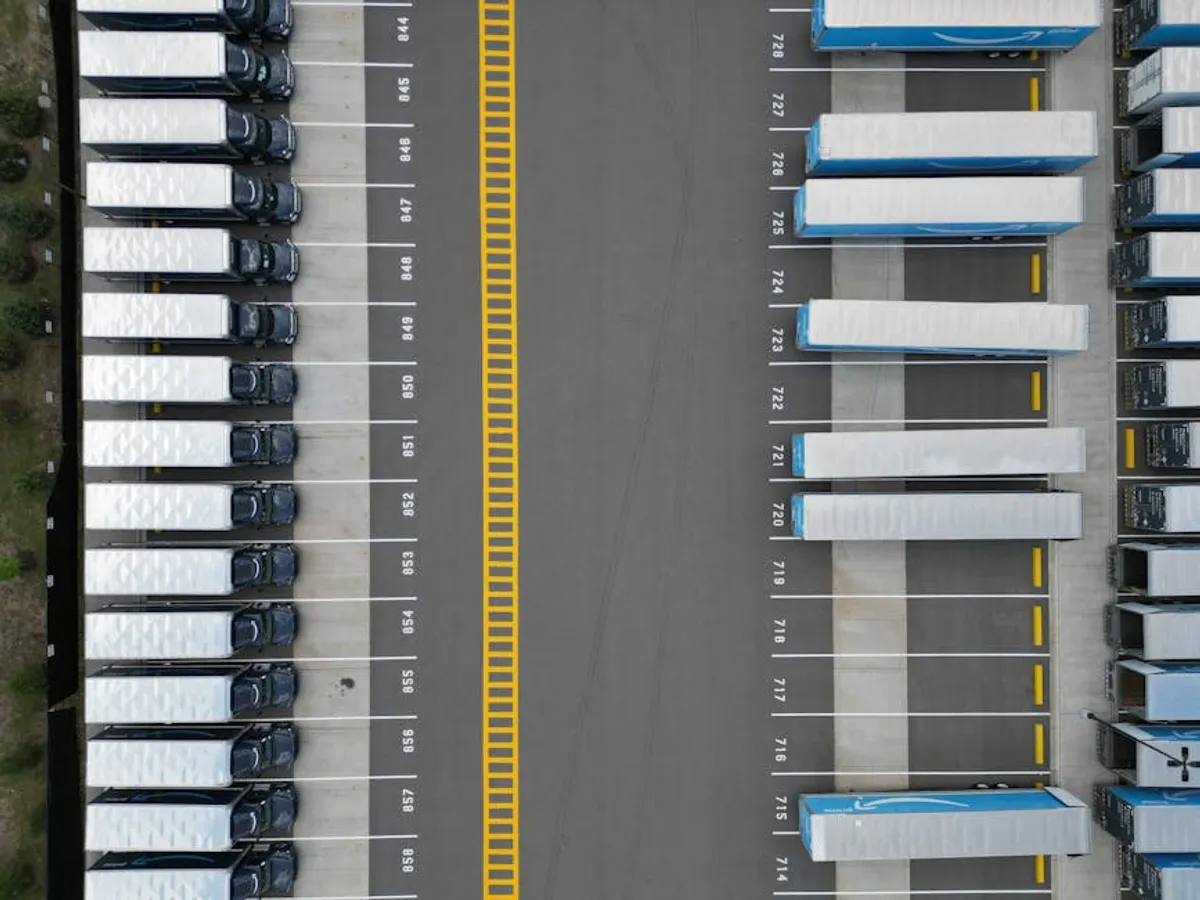
Route optimization software considers variables like traffic patterns, road conditions, delivery windows, and vehicle capacity to generate the most efficient routes. Beyond individual routes, network optimization evaluates the placement of distribution centers and warehouses to minimize transit times and costs. This reduces the likelihood of delays stemming from inefficient transportation paths or overloaded hubs.
Enhanced Communication and Transparency
Information silos and communication breakdowns exacerbate delays. Establishing clear, real-time communication channels across the entire supply chain ensures all stakeholders are informed and can react swiftly to unforeseen events.
Real-time Tracking and Visibility
Implementing GPS tracking, IoT sensors on shipments, and integrated logistics platforms provides end-to-end visibility. This allows businesses to monitor the exact location and status of goods in transit, identify potential delays as they emerge (e.g., a truck stuck in traffic, a container held at customs), and proactively communicate with affected customers. This transparency enables quicker problem-solving and reduces customer anxiety.
Impact: Reduces customer service inquiries related to delivery status by providing self-service tracking options.
Standardized Communication Protocols
Establishing clear protocols for information sharing between carriers, suppliers, warehouses, and customers minimizes misinterpretations and delays caused by missing data. This includes standardized electronic data interchange (EDI) formats, API integrations between systems, and agreed-upon reporting metrics for performance and incident management.
Pro Tip: While technology offers unparalleled visibility, ensure your team is trained to interpret data and act decisively. Real-time tracking is only effective if there's a clear process for intervention when a deviation occurs. Automate alerts for critical thresholds, but empower human operators to make judgment calls on complex issues.
Robust Supplier and Partner Management
The reliability of external partners directly impacts your logistics performance. Diligent selection and ongoing management of suppliers and carriers are fundamental to reducing delays.
Rigorous Vetting and Performance Monitoring
Before engaging a supplier or carrier, conduct thorough due diligence covering their operational capacity, financial stability, and historical performance regarding on-time delivery and quality. Once engaged, continuously monitor key performance indicators (KPIs) such as:
- On-time delivery rate (OTD)
- Order accuracy rate
- Lead time consistency
- Responsiveness to issues
- Compliance with service level agreements (SLAs)
Regular performance reviews allow for early identification of underperforming partners and opportunities for improvement or replacement.
Diversification and Contingency Contracts
Relying on a single supplier or carrier for critical components or routes introduces significant risk. Diversifying your supplier base and having backup carriers or alternative routes pre-negotiated through contingency contracts mitigates the impact of disruptions affecting a primary partner. This strategy ensures continuity of supply even if one link in the chain falters.
Leveraging Technology for Predictive and Preventive Action
Modern logistics relies heavily on technology to move beyond reactive problem-solving to proactive delay prevention.
Transportation Management Systems (TMS)
A TMS centralizes and optimizes transportation planning and execution. It facilitates carrier selection, load optimization, freight auditing, and compliance management. By providing a holistic view of transportation operations, a TMS helps identify inefficiencies and potential delays before they escalate.
Warehouse Management Systems (WMS)
A WMS streamlines warehouse operations from receiving to shipping. It optimizes storage locations, picking routes, and packing processes. An efficient WMS reduces internal delays related to inventory handling, order fulfillment errors, and dispatching bottlenecks, ensuring goods are ready for transport on schedule.
Artificial Intelligence and Machine Learning
AI and ML algorithms can analyze vast datasets to predict potential delays based on weather patterns, geopolitical events, port congestion, or historical carrier performance. This predictive capability allows businesses to reroute shipments, adjust schedules, or activate contingency plans before a delay impacts operations.
Building Resilience: Contingency Planning
Even with advanced planning, unforeseen events occur. A robust contingency plan is essential for minimizing the impact of unavoidable delays.
Risk Assessment and Scenario Planning
Identify potential disruption points across your supply chain, from natural disasters and labor strikes to port closures and sudden demand spikes. Develop detailed "what-if" scenarios and outline specific response protocols for each. This includes identifying alternative suppliers, transportation modes, or storage locations.
Insurance and Legal Protections
While not preventing delays, appropriate insurance coverage for cargo, transit, and business interruption can mitigate the financial consequences of significant disruptions. Clear contractual agreements with suppliers and carriers, including force majeure clauses, also define responsibilities and liabilities during unforeseen events, streamlining resolution processes.
Sustaining Operational Efficiency
Reducing logistics delays is not a one-time fix but an ongoing commitment to operational excellence. Regular audits of your supply chain processes, continuous performance monitoring of all partners, and a culture of continuous improvement are critical. Embrace feedback loops from all stakeholders, from warehouse staff to end customers, to identify new areas for optimization. The goal is to build an agile, resilient supply chain capable of adapting to change and maintaining consistent service delivery, even in the face of disruption.
Frequently Asked Questions
What are the most common causes of logistics delays?
Common causes include inaccurate demand forecasting, inefficient routing, unexpected weather events, customs delays, labor shortages, vehicle breakdowns, port congestion, and communication breakdowns between supply chain partners.
How can technology specifically help reduce delays?
Technology provides real-time visibility through GPS and IoT, optimizes routes and inventory with TMS/WMS, and uses AI/ML for predictive analytics to anticipate and mitigate potential disruptions before they occur.
What is the role of communication in preventing delays?
Clear, real-time communication ensures all stakeholders are informed about shipment status, potential issues, and necessary adjustments. This transparency facilitates quicker problem-solving and reduces misinterpretations that can lead to further delays.
How often should a logistics strategy be reviewed?
A logistics strategy should be reviewed at least annually, or more frequently if there are significant changes in market conditions, supplier relationships, or technological capabilities. Continuous monitoring and quarterly performance assessments are also recommended.