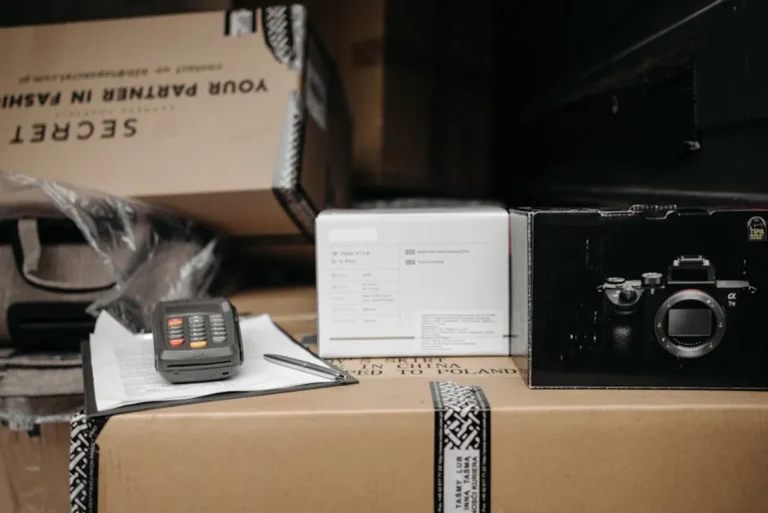

Shipping diagnostic kits is a complex logistical challenge, demanding meticulous attention to regulatory compliance, specialized packaging, and precise documentation. For businesses involved in healthcare, research, or clinical trials, missteps can lead to significant delays, fines, and compromised sample integrity. The primary objective is to ensure the safe and compliant transport of biological substances, often temperature-sensitive, from origin to destination, while navigating a dense web of international and national regulations. Understanding these requirements from the outset is crucial for avoiding costly errors and maintaining operational continuity.
Understanding Regulatory Frameworks for Diagnostic Kits
The transport of diagnostic kits falls under strict regulations designed to prevent the spread of pathogens and ensure public safety. Key international and national bodies establish these rules, which dictate classification, packaging, labeling, and documentation.
International Air Transport Association (IATA) Dangerous Goods Regulations (DGR)
IATA DGR is the global standard for shipping dangerous goods by air. Diagnostic kits often contain biological material that, depending on its classification, falls under these regulations. Compliance with IATA DGR is mandatory for air cargo carriers and shippers worldwide, impacting how kits are prepared and declared.
Department of Transportation (DOT) Hazardous Materials Regulations (HMR)
In the United States, the DOT's HMR (49 CFR Parts 171-180) govern the transport of hazardous materials by ground, rail, air, and water. These regulations align closely with international standards but include specific domestic requirements that must be met for shipments originating, transiting, or terminating within the U.S.
Universal Postal Union (UPU)
For shipments sent via postal services, the UPU's regulations apply. While generally less stringent for certain categories than IATA or DOT, they still require specific packaging and labeling for diagnostic specimens, often mirroring UN 3373 requirements.
Classification of Diagnostic Kit Components
Accurate classification is the foundational step in compliant shipping. Diagnostic kits are rarely uniform; they often contain multiple components, each requiring individual assessment for hazard potential.
- Biological Substance, Category B (UN 3373): This classification applies to infectious substances not in Category A. Most diagnostic kits containing patient samples (e.g., blood, urine, swabs) for diagnostic or investigational purposes fall into this category. These substances are transported in a form that, if exposure occurs, is unlikely to cause severe disease.
- Infectious Substances, Category A (UN 2814 or UN 2900): These are substances known or reasonably expected to contain pathogens capable of causing permanent disability, life-threatening or fatal disease in otherwise healthy humans or animals. Examples include cultures of highly pathogenic viruses or bacteria. Shipping Category A substances involves significantly more stringent packaging, labeling, and documentation requirements.
- Dry Ice (UN 1845): Many diagnostic kits require temperature control and use dry ice as a refrigerant. Dry ice is classified as a Class 9 miscellaneous hazardous material due to its sublimation into carbon dioxide gas, which can displace oxygen in confined spaces and build pressure in sealed containers. Specific labeling and ventilation requirements apply.
- Other Hazardous Components: Kits may include chemical reagents (e.g., fixatives, preservatives like formaldehyde or sodium azide), acids, bases, or flammable liquids. Each hazardous component must be identified, classified, and accounted for according to its specific hazard class (e.g., Class 3 Flammable Liquids, Class 8 Corrosives).
Essential Packaging Requirements
The integrity of diagnostic kits during transit relies heavily on robust and compliant packaging. The triple packaging system is the standard for biological substances.
Triple Packaging System
This system consists of three layers, each with a specific function:
- Primary Receptacle: A watertight, leak-proof container holding the specimen. This could be a tube, vial, or bag. Multiple primary receptacles can be placed in a secondary packaging.
- Secondary Packaging: A durable, watertight, leak-proof container enclosing the primary receptacle(s). It must be capable of withstanding temperature and pressure changes. Absorbent material sufficient to absorb the entire liquid contents of the primary receptacle(s) must be placed between the primary and secondary packaging.
- Rigid Outer Packaging: A robust, rigid outer container (e.g., fiberboard box, plastic cooler) that protects the secondary packaging from physical damage during transport. It must be of adequate strength for its capacity, mass, and intended use, and its smallest dimension must be at least 100 mm (4 inches).
Best for: Ensuring containment and protection against impact and environmental stress.
Labeling and Marking
Clear and accurate labeling is non-negotiable. The outer packaging must display:
- The proper shipping name (e.g., "Biological Substance, Category B" or "Dry Ice").
- The UN number (e.g., UN 3373, UN 1845).
- The hazard class label(s).
- The shipper's and consignee's names and addresses.
- An emergency contact number.
- Net quantity of dangerous goods (e.g., mass of dry ice).
- Orientation arrows for liquid contents.
Pro Tip: Non-compliance with packaging or labeling regulations for diagnostic kits can result in significant fines, shipment delays, and even seizure of goods. Always verify that all components of a kit, including reagents and preservatives, are correctly identified and packaged according to their specific hazard class, not just the biological sample.
Documentation and Carrier Selection
Accurate paperwork and choosing the right logistics partner are critical for smooth transit.
Required Documentation
- Shipper's Declaration for Dangerous Goods: Required for Category A infectious substances and other fully regulated hazardous materials, detailing the contents, classification, quantity, and packaging.
- Air Waybill: The contract of carriage between the shipper and the carrier, including details of the shipment.
- Commercial Invoice: For customs clearance, detailing the value and description of the contents.
- Permits/Licenses: Depending on the origin and destination, specific import/export permits for biological materials may be required.
Selecting a Specialized Carrier
Not all carriers are equipped to handle dangerous goods or temperature-controlled shipments. Partner with carriers that have proven experience and expertise in transporting diagnostic kits, such as those with dedicated life sciences divisions. Verify their capabilities for handling specific classifications (e.g., UN 3373, dry ice), their cold chain logistics infrastructure, and their compliance record.
Temperature Control Strategies
Maintaining specific temperatures is often paramount for the viability of diagnostic samples and reagents.
- Refrigerated (2°C to 8°C): Achieved using gel packs or phase change materials (PCMs) within insulated containers. Monitoring devices are often included to track temperature excursions.
- Frozen (-20°C or colder): Dry ice is the most common method for maintaining frozen temperatures. Packaging must allow for CO2 gas venting to prevent pressure buildup.
- Ambient (15°C to 25°C): While seemingly simpler, ambient shipments still require protection from extreme heat or cold fluctuations, often using insulated packaging without active refrigerants.
Ensuring Compliant Diagnostic Kit Shipments
Successfully shipping diagnostic kits requires a proactive, detail-oriented approach. Begin by thoroughly classifying every component within the kit. Invest in appropriate, certified packaging materials and ensure all personnel involved in packaging and documentation receive regular, up-to-date training on relevant regulations (IATA DGR, 49 CFR). Establish clear internal protocols for handling, labeling, and documentation. Finally, partner with logistics providers who specialize in life sciences transportation and can demonstrate a robust compliance history. This holistic strategy minimizes risks, ensures regulatory adherence, and protects the integrity of valuable diagnostic materials throughout their journey.
Frequently Asked Questions
What is UN 3373?
UN 3373 is the UN number for "Biological Substance, Category B," which is a classification used for diagnostic or investigational patient specimens that are unlikely to cause severe disease if exposure occurs. Most routine diagnostic kits containing patient samples fall under this classification.
Can diagnostic kits be shipped by air?
Yes, diagnostic kits can be shipped by air, but they must comply with the International Air Transport Association (IATA) Dangerous Goods Regulations (DGR). This includes specific requirements for classification, triple packaging, labeling, and documentation, especially if they contain biological substances, dry ice, or other hazardous components.
What is the triple packaging system for diagnostic kits?
The triple packaging system consists of a watertight primary receptacle for the sample, a leak-proof secondary packaging with absorbent material, and a rigid outer packaging that protects the inner components from physical damage during transport. This system is designed to prevent leakage and ensure containment.
Do I need special training to ship diagnostic kits?
Yes, anyone involved in the preparation, packaging, or documentation of diagnostic kits containing hazardous materials (including UN 3373 and dry ice) must receive specific training. This training typically covers IATA DGR for air shipments and 49 CFR for U.S. domestic ground shipments, ensuring compliance with all applicable regulations.