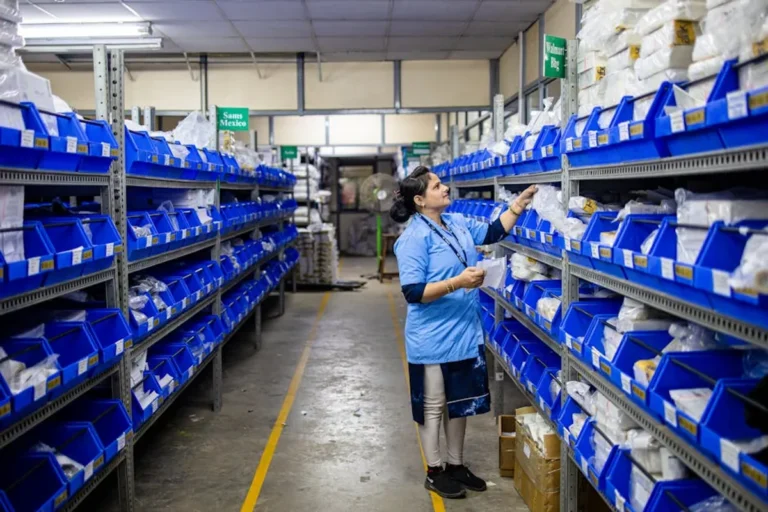

Healthcare companies operate within an ecosystem where the integrity and timely delivery of life-saving products are paramount. This extends beyond manufacturing into specialized logistics, a domain far more intricate than general freight. For pharmaceuticals, biologics, medical devices, and diagnostic materials, logistics is not merely about moving goods; it is about preserving efficacy, ensuring patient safety, and upholding stringent regulatory standards. A robust life sciences logistics strategy directly impacts research outcomes, clinical trial success, market access, and ultimately, patient well-being. Understanding the unique demands of this sector is critical for any healthcare organization aiming to mitigate risk, control costs, and maintain a competitive edge in a globalized market.
The Criticality of Life Sciences Logistics
Life sciences logistics differs fundamentally from conventional supply chain management due to the inherent value, fragility, and regulatory sensitivity of the products involved. Failure to manage these factors can result in significant financial losses, regulatory penalties, and, most critically, compromised patient care. The specialized nature demands precision at every stage, from initial collection to final delivery.
- Product Sensitivity: Many life sciences products, particularly biologics and vaccines, are temperature-sensitive, requiring strict cold chain management to maintain stability and efficacy. Excursions outside specified temperature ranges can render products unusable.
- Regulatory Scrutiny: Compliance with national and international regulations (e.g., FDA, EMA, GDP) is non-negotiable. These regulations dictate handling, storage, documentation, and transportation protocols, with non-compliance leading to product recalls, fines, and reputational damage.
- High Value and Risk: Pharmaceuticals and advanced therapies represent substantial investments in research, development, and manufacturing. Theft, damage, or spoilage during transit results in significant financial setbacks and potential shortages of critical medicines.
- Patient Impact: Delays or errors in logistics can have direct and severe consequences for patient health, especially for time-sensitive treatments, clinical trials, or emergency medical supplies.
Core Pillars of Specialized Logistics Operations
Effective life sciences logistics relies on several foundational components, each requiring dedicated attention and specialized capabilities. These pillars ensure product integrity and regulatory adherence throughout the supply chain.
Temperature-Controlled Transport (Cold Chain)
Maintaining specific temperature ranges is often the most critical aspect of life sciences logistics. This involves a comprehensive system of insulated packaging, active and passive temperature-controlled containers, and real-time monitoring devices. The cold chain must be unbroken from manufacturing through to the point of use.
Key considerations:
- Packaging Solutions: Selection of validated insulated shippers, phase change materials (PCMs), and refrigerants appropriate for the product's temperature requirements and transit duration.
- Monitoring Technology: Use of data loggers, GPS-enabled sensors, and cloud-based platforms for continuous temperature tracking and alert generation. This provides an audit trail for compliance.
- Handling Protocols: Strict procedures for loading, unloading, and cross-docking to minimize temperature excursions, especially in uncontrolled environments.
Security and Integrity Protocols
Protecting high-value and sensitive products from theft, tampering, and counterfeiting is essential. This requires robust security measures across warehousing, transportation, and distribution points.
Best for: Preventing diversion and ensuring product authenticity.
Measures include secure facilities with access control, surveillance systems, tamper-evident packaging, and secure transport routes with vetted personnel. Advanced serialization and authentication technologies are increasingly vital for tracking individual units.
Advanced Traceability and Visibility
Knowing the exact location and condition of a shipment at any given moment is crucial for proactive risk management and regulatory compliance. End-to-end visibility is achieved through integrated technology platforms.
Benefits: Enhanced decision-making, reduced risk of loss, and expedited response to deviations.
Systems often incorporate IoT devices, RFID tags, and blockchain technology to provide granular data on location, temperature, humidity, and shock, accessible through centralized dashboards.
Pro Tip: When evaluating logistics partners, prioritize those with demonstrable experience and specific certifications in life sciences. Generic logistics providers often lack the specialized infrastructure, regulatory knowledge, and contingency planning capabilities required for sensitive healthcare products. Ask for documented cold chain validation processes and audit reports.
Navigating Regulatory Compliance and Risk
The regulatory landscape for life sciences products is complex and constantly evolving. Adherence to Good Distribution Practices (GDP) is a baseline, but regional and national variations add layers of complexity.
Global Standards and Local Nuances
Healthcare companies must comply with international guidelines like those from the World Health Organization (WHO) and specific regional bodies such as the FDA in the United States or the EMA in Europe. Furthermore, individual countries often impose their own unique import/export requirements, licensing, and documentation rules. A logistics partner must demonstrate proficiency in navigating these diverse legal frameworks.
Documentation and Audit Readiness
Every step in the life sciences supply chain requires meticulous documentation. This includes proof of temperature control, chain of custody records, customs declarations, and compliance certificates. These records are vital for regulatory audits, product recalls, and liability protection.
Requirement: Digital, immutable records that are easily retrievable and verifiable.
Building an Agile Logistics Network
An effective life sciences logistics network is not static; it must be agile, resilient, and capable of adapting to unforeseen disruptions, market changes, and product innovations.
Strategic Partner Selection
Choosing the right logistics partners is a strategic decision, not just a procurement exercise. Partners should be evaluated on their specialized infrastructure, regulatory expertise, technology stack, global reach, and proven track record in handling similar products.
Look for:
- Validated quality management systems (QMS) specific to life sciences.
- Dedicated teams trained in GDP and cold chain management.
- Robust risk management and contingency plans for disruptions (e.g., natural disasters, customs delays).
- Integration capabilities with your existing enterprise resource planning (ERP) systems.
Technology Integration for Efficiency
Leveraging advanced technology is fundamental to optimizing life sciences logistics. Integrated platforms can automate processes, improve data accuracy, provide real-time insights, and enhance overall supply chain visibility.
Examples:
- Warehouse Management Systems (WMS) with temperature-controlled zone management.
- Transportation Management Systems (TMS) for route optimization and carrier selection.
- Predictive analytics for demand forecasting and inventory management, minimizing waste and ensuring supply.
Optimizing for Future Challenges
The life sciences sector is characterized by continuous innovation, from personalized medicine to gene therapies. Logistics strategies must evolve to accommodate these advancements. This includes planning for ultra-cold storage requirements, managing smaller, high-value shipments, and navigating increasingly complex global distribution pathways. Proactive engagement with logistics providers to develop future-proof solutions is crucial for maintaining a competitive edge and ensuring patient access to breakthrough treatments.
Frequently Asked Questions
What is cold chain logistics in life sciences?
Cold chain logistics refers to the process of managing and maintaining a specific temperature range for sensitive products, such as pharmaceuticals, vaccines, and biologics, throughout their entire supply chain, from manufacturing to delivery, to preserve their efficacy and safety.
Why is regulatory compliance so critical in life sciences logistics?
Regulatory compliance is critical because it ensures product quality, patient safety, and market access. Non-compliance can lead to severe consequences, including product spoilage, costly recalls, significant fines, and legal repercussions, directly impacting a company's reputation and financial stability.
How does technology improve life sciences logistics?
Technology enhances life sciences logistics by providing real-time visibility, advanced traceability, automation, and predictive analytics. This includes IoT sensors for temperature monitoring, blockchain for secure data, and AI for demand forecasting, all contributing to greater efficiency, risk reduction, and compliance.
What should healthcare companies look for in a logistics partner for life sciences?
Healthcare companies should seek partners with specialized expertise in life sciences, validated cold chain capabilities, robust quality management systems, comprehensive regulatory knowledge, global network reach, and advanced technology integration to ensure secure and compliant product handling.