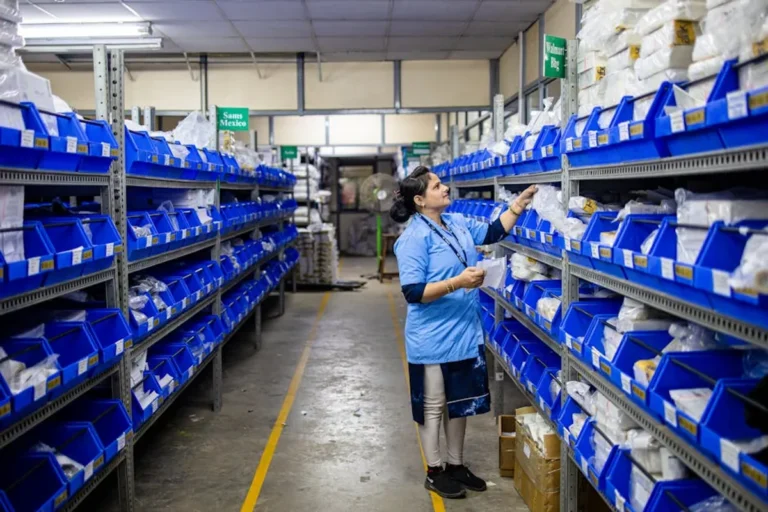

For life sciences organizations, logistics is not merely about moving goods; it is about safeguarding patient health, maintaining product integrity, and navigating stringent regulatory landscapes. Key Performance Indicators (KPIs) in this sector must extend beyond standard supply chain metrics, directly addressing the unique challenges of handling high-value, temperature-sensitive, and often life-saving products. Effective KPI implementation provides a quantifiable framework for evaluating operational efficiency, ensuring compliance, and mitigating risks that could compromise product efficacy or lead to significant financial and reputational damage. Understanding the unique demands of this sector is key, as it highlights what makes life sciences logistics different from other industries.
The Critical Role of Quality and Compliance KPIs
Regulatory adherence is non-negotiable in life sciences logistics. KPIs in this category track an organization's ability to meet GxP (Good Practice) standards, minimize deviations, and ensure complete traceability throughout the supply chain. These metrics are fundamental for demonstrating control and accountability to regulatory bodies.
Deviation Management and Resolution
Tracking deviations, whether from temperature excursions, handling protocols, or documentation errors, provides direct insight into process weaknesses. The rate and resolution time of these deviations are critical indicators of operational control.
- Deviation Rate: Measures the frequency of incidents where standard operating procedures (SOPs) or regulatory requirements were not met. A lower rate signifies tighter control.
- Deviation Closure Rate: Indicates the percentage of identified deviations that have been fully investigated and resolved within a defined timeframe. A high closure rate demonstrates proactive problem-solving.
- Corrective and Preventive Action (CAPA) Effectiveness: Assesses whether implemented CAPAs successfully prevent recurrence of deviations. This is often measured by observing the trend of specific deviation types post-CAPA implementation.
Regulatory Audit Performance
The outcome of internal and external audits directly reflects the health of compliance systems. KPIs here focus on audit findings and their timely remediation.
Audit Findings Severity and Frequency: Tracks the number and criticality of non-conformances identified during audits. A reduction in severe findings indicates improved compliance.
Audit Finding Closure Rate: Measures the percentage of audit findings that have been addressed and closed out within agreed timelines, demonstrating responsiveness to identified gaps.
Ensuring Product Integrity: Temperature Control and Cold Chain KPIs
Many life sciences products, including vaccines, biologics, and certain pharmaceuticals, require strict temperature control. Cold chain KPIs are paramount for preventing product degradation and ensuring therapeutic efficacy.
Temperature Excursion Monitoring
Monitoring temperature deviations is a direct measure of cold chain reliability. These KPIs focus on proactive prevention and reactive management of excursions.
Temperature Excursion Rate: The percentage of shipments or storage periods that experience temperatures outside the defined acceptable range. Minimizing this rate is a primary objective.
Mean Kinetic Temperature (MKT) Compliance: For products where cumulative thermal exposure is a factor, MKT ensures that even transient excursions do not compromise overall product stability. This KPI tracks the percentage of shipments remaining within MKT limits.
Cold Chain Breach Rate: Specifically tracks instances where the cold chain is completely broken, leading to product loss. This is a critical indicator of high-risk failures.
Monitoring Device Compliance
The accuracy and reliability of temperature monitoring equipment are foundational to cold chain integrity.
Monitoring Device Calibration Compliance: The percentage of temperature monitoring devices (e.g., data loggers, sensors) that are calibrated according to schedule and industry standards. Non-compliance here invalidates temperature data.
Pro Tip: Integrate real-time temperature monitoring data directly into your logistics management system. This allows for immediate alerts and intervention, significantly reducing the impact of potential cold chain breaches and providing granular data for root cause analysis of excursions.
Delivery and Service Performance with a Life Sciences Lens
While standard delivery metrics apply, their interpretation in life sciences must consider the direct impact on patient care and research timelines. Delays or errors can have severe consequences.
On-Time, In-Full (OTIF) Delivery
OTIF remains a core metric, but its importance is amplified by the critical nature of life sciences products.
OTIF Rate (Life Sciences Specific): The percentage of orders delivered to the correct location, with the correct product and quantity, by the agreed-upon date and time, without damage or deviation. For life sciences, a missed delivery can mean a missed patient treatment or a compromised research trial.
Order Accuracy and Damage Rates
Minimizing errors and damage protects product integrity and reduces waste of high-value goods.
Order Accuracy Rate: The percentage of orders picked, packed, and shipped without errors (e.g., wrong product, wrong quantity, incorrect documentation). High accuracy prevents costly returns and reshipments.
Damage Rate: The percentage of units or shipments that arrive damaged, rendering them unusable. This KPI directly impacts product availability and cost of goods.
Cost Efficiency in Specialized Logistics
Managing the specialized requirements of life sciences logistics often comes with higher costs. KPIs here focus on optimizing expenditure without compromising quality or compliance.
Logistics Cost Optimization
Understanding the cost drivers helps in strategic planning and vendor negotiation.
Logistics Cost Per Unit: The total cost of logistics (transportation, warehousing, specialized handling) divided by the number of units shipped. This helps benchmark efficiency and identify areas for cost reduction.
Freight Cost as a Percentage of Sales: Compares total freight expenditure against revenue, providing a high-level view of logistics cost efficiency relative to business volume.
Warehouse and Storage Utilization
Specialized storage (e.g., ultra-low temperature freezers, controlled ambient storage) is expensive. Efficient utilization is key.
Specialized Storage Utilization Rate: The percentage of available specialized storage capacity that is actively used. Maximizing this rate reduces the per-unit storage cost.
Strategic Inventory Management for Life Sciences
Balancing inventory levels is crucial to prevent stockouts of critical products while minimizing waste due to expiry or obsolescence.
Inventory Accuracy and Turnover
Accurate inventory records are foundational for managing supply and demand, especially for products with strict shelf-life requirements.
Inventory Accuracy Rate: The percentage of inventory records that match physical counts. High accuracy supports reliable forecasting and order fulfillment.
Inventory Turnover Rate: Measures how many times inventory is sold or used over a period. A balanced turnover rate prevents obsolescence while ensuring adequate stock levels for demand fluctuations.
Obsolescence and Stockout Prevention
These KPIs directly address the financial and patient impact of poor inventory management.
Obsolescence/Spoilage Rate: The percentage of inventory lost due to expiry, damage, or becoming outdated. This is particularly critical for short-shelf-life or high-value products.
Stockout Rate: The frequency or percentage of times a requested product is unavailable from stock. For life sciences, a stockout can delay critical treatments or research, carrying significant consequences.
Implementing and Refining Your KPI Framework
Establishing effective logistics KPIs in life sciences requires more than just selecting metrics. It demands robust data collection, analytical capabilities, and a commitment to continuous improvement. Begin by clearly defining the objectives for each KPI, ensuring they align with overarching business goals and regulatory mandates. Leverage technology such as advanced Warehouse Management Systems (WMS), Transportation Management Systems (TMS), and specialized cold chain monitoring platforms to automate data capture and provide real-time visibility. Regularly review KPI performance against benchmarks, both internal and external, to identify trends, pinpoint areas for improvement, and adapt your strategy to evolving market conditions and regulatory requirements.
Frequently Asked Questions
Why are standard logistics KPIs insufficient for life sciences?
Standard logistics KPIs often do not account for the unique regulatory, quality, and product integrity requirements of life sciences, such as strict temperature control, GxP compliance, and the direct impact on patient outcomes.
How often should life sciences logistics KPIs be reviewed?
KPIs should be reviewed at least monthly for operational performance and quarterly for strategic insights. Critical quality and compliance KPIs, like temperature excursions, may require real-time monitoring and daily review.
What is the most critical KPI for cold chain logistics in life sciences?
The Temperature Excursion Rate is arguably the most critical, as it directly measures the frequency of deviations from required temperature ranges, which can compromise product efficacy and safety.
Can technology help manage life sciences logistics KPIs?
Yes, advanced systems like WMS, TMS, and specialized cold chain monitoring solutions are essential. They automate data collection, provide real-time visibility, generate reports, and help identify trends for proactive management and compliance.