
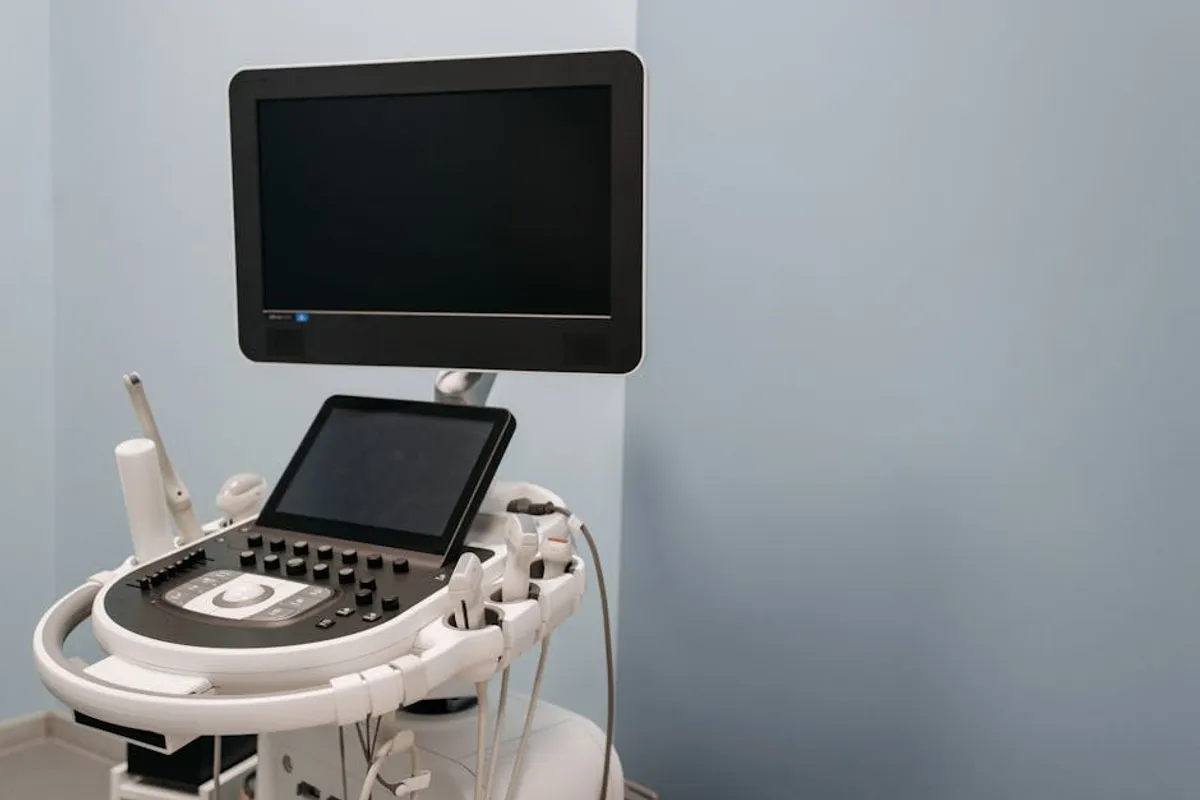
Shipping medical devices involves a complex interplay of stringent regulations, specialized handling requirements, and critical time sensitivities. Unlike general cargo, these products directly impact patient health and safety, making any error in transit potentially catastrophic. A comprehensive medical device shipping checklist is not merely a formality; it is an essential operational tool designed to mitigate risks, ensure regulatory compliance, and safeguard product integrity from the manufacturing floor to the point of use. Establishing a robust checklist streamlines processes, reduces the likelihood of costly delays, damage, or regulatory penalties, and ultimately protects both the product's efficacy and the manufacturer's reputation. This includes carefully considering the specific how to choose packaging for medical products to prevent damage and maintain sterility.
Understanding Regulatory Frameworks for Medical Device Transport
The global movement of medical devices is governed by a patchwork of international, national, and even regional regulations. Compliance is non-negotiable, requiring a deep understanding of classification, labeling, and documentation standards specific to each jurisdiction. Failure to adhere to these rules can result in confiscated shipments, significant fines, and market access restrictions.
International Standards and National Requirements
Key international bodies, such as the International Air Transport Association (IATA) for air cargo and the International Maritime Organization (IMO) for sea freight, establish foundational guidelines, particularly for hazardous materials. However, national authorities like the U.S. Food and Drug Administration (FDA), the European Medicines Agency (EMA), and their equivalents in other countries impose additional layers of specific requirements. These often dictate aspects such as import/export licenses, product registration, quality management system certifications (e.g., ISO 13485), and post-market surveillance obligations that can influence shipping protocols. It is crucial to identify and track all applicable regulations for every leg of the supply chain, from origin to final destination.
Classification of Medical Devices for Shipping
Medical devices are categorized based on their risk level, which directly influences their shipping requirements. For instance, a Class I device (low risk, like bandages) will have fewer stringent transport demands than a Class III device (high risk, like pacemakers or ventilators). This classification impacts packaging specifications, temperature control needs, and the necessity for specialized carriers. Devices containing biological components, radioactive materials, or lithium batteries also fall under specific hazardous materials (HAZMAT) regulations, necessitating additional training, labeling, and documentation.
Essential Packaging and Environmental Controls
The integrity of a medical device during transit is paramount. Packaging must protect against physical damage, environmental fluctuations, and contamination, ensuring the device arrives in a sterile and functional condition.
Temperature-Controlled Logistics (Cold Chain)
Many medical devices, including diagnostic reagents, certain implants, and biological products, are temperature-sensitive. Maintaining a precise temperature range throughout the entire shipping journey—known as cold chain logistics—is critical. This involves specialized insulated packaging, refrigerants (e.g., dry ice, gel packs), and active or passive temperature-monitoring devices. Real-time monitoring with data loggers provides an audit trail for compliance and quality assurance. Deviations outside the specified range can render devices unusable, leading to product loss and patient risk.
Protection Against Physical Damage and Contamination
Beyond temperature, devices require protection from shock, vibration, and electrostatic discharge. Custom-fit inserts, cushioning materials, and anti-static packaging are essential. Furthermore, sterile devices must be protected from contamination. This often involves double-barrier packaging, tamper-evident seals, and shipping in cleanroom-controlled environments or with validated sterilization processes. Packaging materials themselves must be non-reactive and non-shedding to prevent any compromise to the device's sterility or function.
Comprehensive Documentation for Seamless Transit
Accurate and complete documentation is the backbone of compliant medical device shipping. Missing or incorrect paperwork is a primary cause of customs delays, border rejections, and regulatory non-compliance.
Customs Declarations and Import/Export Licenses
Each international shipment requires precise customs declarations, including Harmonized System (HS) codes for product classification, country of origin, and declared value. Import and export licenses, specific to the device type and destination country, must be secured in advance. These often require detailed product descriptions, intended use, and regulatory approvals from the destination country's health authority. Pre-clearing customs where possible can significantly reduce transit times.
Hazardous Materials Declarations (if applicable)
For devices containing hazardous components (e.g., certain chemicals, radioactive isotopes, or lithium-ion batteries), specific HAZMAT declarations are mandatory. These include Safety Data Sheets (SDS), proper shipping names, UN numbers, hazard classes, packing groups, and emergency response information. Personnel handling and preparing these shipments must be certified in HAZMAT regulations (e.g., IATA Dangerous Goods Regulations for air freight).
Labeling Requirements
Shipping labels must be clear, durable, and compliant with carrier and regulatory standards. Key labels include:
- Recipient and sender addresses
- Tracking numbers and barcodes
- Temperature range indicators (e.g., "Keep Frozen," "Refrigerate Do Not Freeze")
- Handling instructions (e.g., "Fragile," "This Side Up")
- HAZMAT labels (if applicable)
- Country-specific regulatory marks (e.g., CE Mark for Europe)
- Unique Device Identification (UDI) for traceability
Pro Tip: Implement a digital document management system for all shipping paperwork. This ensures version control, easy retrieval for audits, and secure sharing with logistics partners and customs brokers, significantly reducing human error and accelerating customs clearance processes.
Carrier Selection and Logistics Partnerships
The choice of logistics partner is as critical as the packaging itself. Not all carriers are equipped to handle the unique demands of medical device transport.
Specialized Medical Device Logistics Providers
Opting for carriers with proven expertise in healthcare logistics is essential. These providers offer specialized services such as temperature-controlled fleets, validated cold chain solutions, secure storage facilities, and staff trained in handling sensitive medical products. They often have established relationships with customs agencies and a deep understanding of global health regulations, facilitating smoother transit.
Tracking, Monitoring, and Contingency Planning
Real-time tracking and monitoring capabilities are vital for medical device shipments, especially those requiring strict environmental controls. GPS tracking, temperature data loggers, and proactive alert systems allow for immediate intervention if deviations occur. A robust contingency plan is also critical, outlining procedures for unexpected delays, temperature excursions, or customs issues. This includes alternative routes, backup cold chain solutions, and clear communication protocols with all stakeholders.
Internal Processes and Training Protocols
Even with the best external partners, internal processes and trained personnel are fundamental to successful medical device shipping.
Staff Competency and Certification
All personnel involved in the packing, labeling, documentation, and handover of medical devices must receive comprehensive and recurrent training. This includes instruction on regulatory requirements, proper packaging techniques, HAZMAT handling (if applicable), and the use of temperature monitoring equipment. Certification programs, such as those for Dangerous Goods, ensure a baseline level of competency and accountability.
Regular Audits and Updates
Shipping checklists and related Standard Operating Procedures (SOPs) should not be static documents. Regular internal and external audits are necessary to identify gaps, ensure ongoing compliance, and adapt to evolving regulations or product requirements. Feedback from logistics partners and destination sites should be incorporated to continuously refine processes.
Building Your Operational Shipping Checklist
Developing a comprehensive and actionable medical device shipping checklist requires a systematic approach, integrating all the elements discussed. Start by mapping your entire supply chain for each device type, identifying all touchpoints and regulatory requirements. Categorize items by pre-shipment, during shipment, and post-shipment actions. Assign clear responsibilities and set measurable benchmarks for each step. This living document should be integrated into your quality management system, ensuring it is regularly reviewed, updated, and adhered to by all relevant personnel.
Frequently Asked Questions
What is the primary risk of not using a medical device shipping checklist?
The primary risk is non-compliance with regulations, leading to significant fines, product seizure, market access restrictions, and potential harm to patients due to compromised product integrity or delayed delivery.
How often should a medical device shipping checklist be updated?
Checklists should be reviewed and updated at least annually, or immediately whenever there are changes in regulations, product specifications, shipping routes, or logistics partners. Regular audits ensure ongoing relevance and compliance.
Are cold chain requirements the same for all temperature-sensitive medical devices?
No. Cold chain requirements vary significantly depending on the specific device, its components, and manufacturer specifications. Some require refrigeration (2-8°C), others freezing (-20°C or colder), and some controlled room temperature. Each device's stability data dictates its specific temperature range.
Who is responsible for ensuring compliance with medical device shipping regulations?
Ultimately, the medical device manufacturer is responsible for ensuring compliance throughout the entire supply chain. While logistics partners play a critical role, the manufacturer bears the liability for any non-compliance or product integrity issues arising from shipping.



