The integrity of pharmaceutical products hinges on meticulous temperature control throughout their journey from manufacturing to patient. Cold chain logistics for pharmaceuticals is not merely about refrigeration; it is a complex, integrated system designed to maintain specific temperature ranges for sensitive biologicals, vaccines, and other temperature-sensitive medicines. Failure at any point in this chain can lead to product degradation, loss of efficacy, and significant patient safety risks, alongside substantial financial and reputational damage for manufacturers and distributors. Understanding and mastering this specialized logistics segment is critical for any entity involved in the pharmaceutical supply chain. Understanding the risks inherent in the cold chain is vital for preventing product loss and ensuring patient safety.
Defining Pharmaceutical Cold Chain Logistics
Pharmaceutical cold chain logistics refers to the process of managing the temperature-controlled supply chain for products requiring specific environmental conditions to maintain their quality and efficacy. This encompasses all stages: manufacturing, storage, transportation, and final delivery. The primary objective is to prevent temperature excursions outside predefined ranges, which are typically 2°C to 8°C (refrigerated) or -20°C to -80°C (frozen), but can vary widely based on product specifications. This system demands precise control, continuous monitoring, and documented proof of compliance.
Core Elements of a Robust Cold Chain
An effective pharmaceutical cold chain relies on a combination of specialized infrastructure, technology, and operational protocols.
Specialized Packaging Solutions
Packaging solutions are the first line of defense against temperature fluctuations. These include:
- Passive Systems: Utilize insulated containers (e.g., expanded polystyrene, polyurethane foam) with refrigerants like gel packs, phase change materials (PCMs), or dry ice. They offer a fixed duration of temperature control, suitable for shorter transit times or specific temperature ranges.
- Active Systems: Employ powered refrigeration or heating units within containers or pallets, providing dynamic temperature control for longer durations or more extreme ambient conditions. These are often used for high-value or highly sensitive shipments.
- Thermal Blankets and Wraps: Provide additional insulation for palletized shipments, offering a barrier against external temperature spikes during loading/unloading or short-term storage.
Controlled Transportation Modalities
Transportation vehicles must be equipped to maintain precise temperatures regardless of external conditions or journey length.
Road Freight: Refrigerated trucks (reefers) are standard, featuring advanced insulation, multi-zone temperature capabilities, and GPS tracking. Drivers are often trained in cold chain protocols.
Air Cargo: Specialized temperature-controlled cargo containers (active RKN, RAP containers) or passive insulated boxes are used. Airport handling procedures must minimize tarmac exposure.
Ocean Freight: Reefer containers with continuous power supply and remote monitoring are employed for intercontinental shipments, requiring careful planning for port dwell times and customs clearance.
Advanced Storage and Distribution Hubs
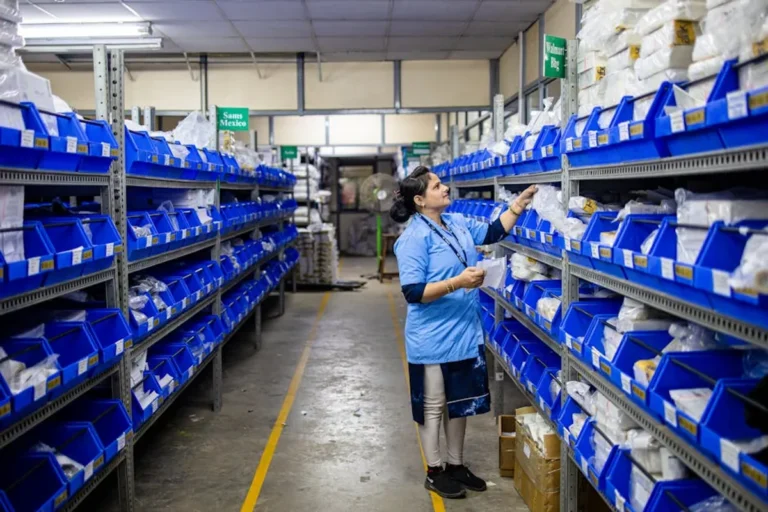
Warehouses and distribution centers must feature validated temperature-controlled zones, often with redundant refrigeration systems and backup power. Segregation of different temperature-range products is standard practice, along with strict inventory management (e.g., FIFO - First-In, First-Out) to manage shelf life.
Real-Time Monitoring and Data Integrity
Continuous temperature monitoring is non-negotiable. Data loggers, often integrated with IoT sensors, record temperature, humidity, and sometimes light exposure. Real-time alerts notify operators of excursions, allowing for immediate intervention. All data must be immutable and auditable, forming a critical part of regulatory compliance and quality assurance documentation.
Navigating Regulatory Compliance
The pharmaceutical cold chain operates under stringent global and local regulations. Key frameworks include:
FDA (U.S.): Adherence to Current Good Manufacturing Practices (cGMP) and Good Distribution Practices (GDP) is mandated, with a focus on product quality and patient safety. Specific guidance on temperature control and monitoring is extensive.
EMA (Europe): The European Medicines Agency enforces GDP guidelines across the EU, emphasizing wholesaler responsibilities for maintaining product quality throughout the supply chain.
WHO (Global): The World Health Organization provides guidelines for the storage and transport of time- and temperature-sensitive pharmaceutical products (TTSPPs), particularly relevant for vaccines and global health initiatives.
Compliance requires detailed Standard Operating Procedures (SOPs), comprehensive validation of equipment and processes, and rigorous training for all personnel involved.
Key Challenges in Cold Chain Execution
Despite advancements, several challenges persist in managing pharmaceutical cold chains:
Temperature Excursions: The primary risk. Causes range from equipment failure and human error to unforeseen delays and extreme ambient conditions. Each excursion requires a documented investigation and corrective action.
Global Complexity: Diverse climates, varying infrastructure quality, and differing regulatory requirements across countries add layers of complexity to international shipments.
Cost Management: Specialized equipment, energy consumption, monitoring technologies, and highly trained personnel make cold chain logistics inherently more expensive than standard freight. Balancing cost with risk mitigation is a constant challenge.
Data Management and Interoperability: Integrating data from various sensors, logistics partners, and internal systems can be complex, making end-to-end visibility difficult without robust IT infrastructure.
Security Risks: High-value pharmaceutical products are targets for theft and counterfeiting. Cold chain security measures must protect against tampering while maintaining temperature control.
Pro Tip: Never underestimate the critical role of validation and qualification. Every piece of cold chain equipment, every process, and every storage area must be rigorously validated to prove it consistently performs within specified parameters. This documentation is your primary defense during regulatory audits and your assurance of product integrity.
Implementing an Effective Cold Chain Strategy
A proactive and well-planned strategy is essential for success.
Risk Assessment and Mitigation
Conduct thorough risk assessments for each product and lane. Identify potential points of failure (e.g., transit delays, power outages, extreme weather) and develop specific mitigation plans. This includes contingency routes, backup power, and emergency response protocols.
Strategic Partner Selection
Choosing logistics partners (3PLs, freight forwarders) with proven expertise in pharmaceutical cold chain is paramount. Evaluate their infrastructure, technology, regulatory compliance history, and personnel training. A partner's track record in handling similar products and routes provides a strong indicator of capability. A thorough process of auditing logistics partners ensures compliance and operational excellence.
Leveraging Technology for Traceability
Invest in technologies that provide end-to-end visibility. IoT sensors, cloud-based data platforms, and potentially blockchain for immutable record-keeping can enhance transparency, improve decision-making, and simplify audit processes. Predictive analytics can help anticipate potential issues before they occur.
Personnel Training and Competency
Human error is a significant contributor to cold chain failures. Comprehensive, ongoing training for all personnel involved—from warehouse staff to drivers and administrative support—on SOPs, temperature monitoring, emergency procedures, and regulatory requirements is fundamental. Competency assessments should be regular.
Strategic Cold Chain Management for Pharma
Managing the cold chain for pharmaceutical products is a continuous commitment to quality, safety, and compliance. It requires a holistic approach that integrates advanced technology, robust infrastructure, stringent regulatory adherence, and a highly trained workforce. The investment in a resilient cold chain directly translates into product efficacy, patient trust, and sustained market access. Proactive planning, vigilant monitoring, and a culture of continuous improvement are not optional; they are foundational to safeguarding public health and the commercial viability of temperature-sensitive medicines.
Frequently Asked Questions
What is the typical temperature range for pharmaceutical cold chain products?
The most common range is 2°C to 8°C (refrigerated), but some products require frozen conditions (e.g., -20°C, -70°C, or ultra-low -80°C) while others might need controlled room temperature (e.g., 15°C to 25°C).
Why is temperature monitoring so critical in pharmaceutical logistics?
Continuous temperature monitoring provides objective proof that products remained within their specified ranges. This data is essential for regulatory compliance, quality assurance, and for determining product viability if an excursion occurs, directly impacting patient safety.
What are the main risks if the cold chain is broken for pharmaceuticals?
A broken cold chain can lead to product degradation, reduced potency, altered chemical composition, and potential toxicity. This results in product spoilage, significant financial losses, regulatory non-compliance, and, most critically, compromised patient safety and health outcomes.
How do pharmaceutical companies ensure compliance with global cold chain regulations?
Companies ensure compliance through robust Quality Management Systems, comprehensive Standard Operating Procedures, thorough validation of all equipment and processes, continuous training for personnel, meticulous documentation, and regular internal and external audits.