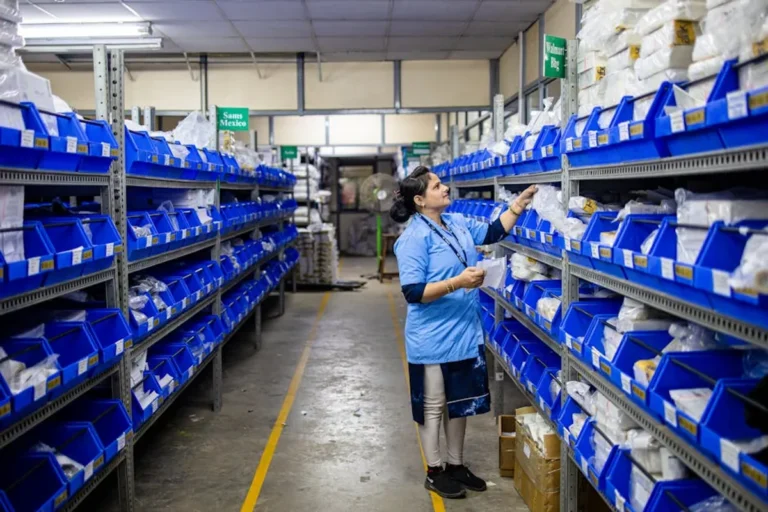
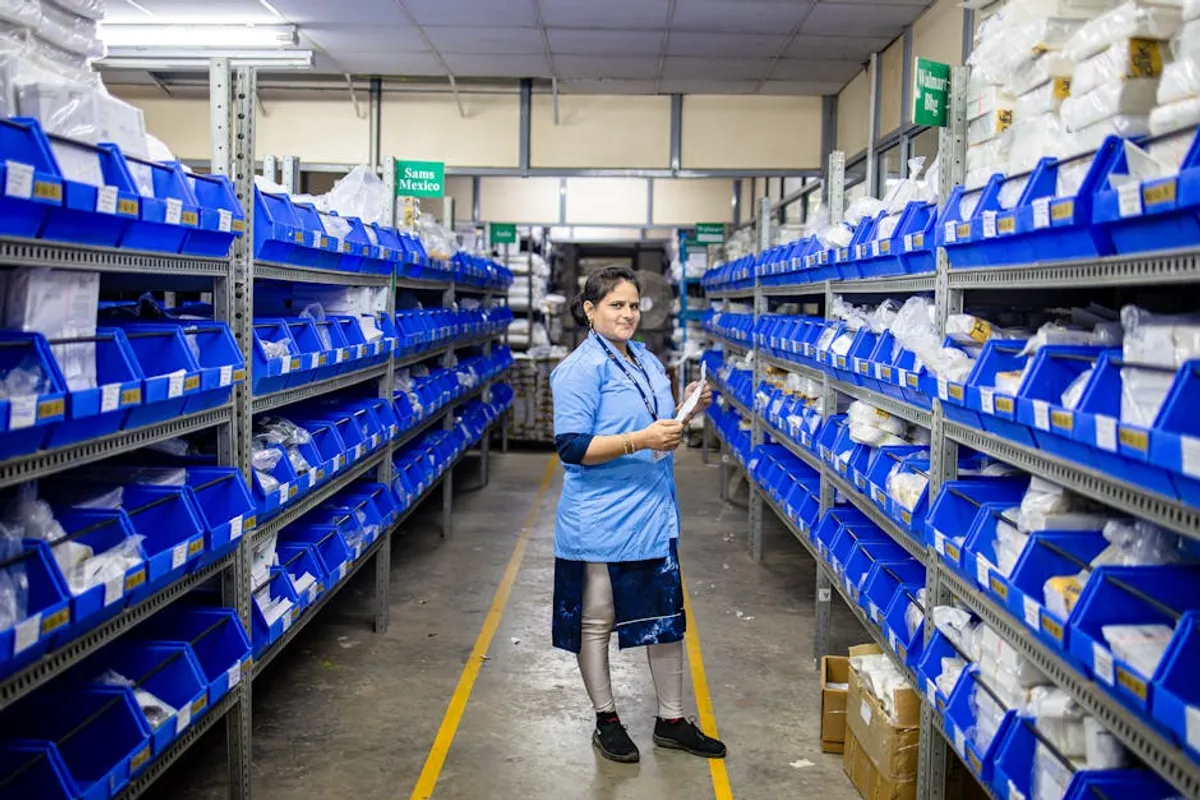
Healthcare warehousing operates under a unique set of demands, distinct from general logistics. The products stored – pharmaceuticals, medical devices, biological samples, and other sensitive materials – directly impact patient health and safety. This environment necessitates stringent controls, meticulous documentation, and an unwavering commitment to regulatory compliance. Effective healthcare warehousing is not merely about storage; it’s about maintaining product efficacy, preventing contamination, ensuring traceability, and ultimately, safeguarding public well-being while optimizing operational costs and supply chain resilience.
Regulatory Compliance and Quality Control
The foundation of any healthcare warehousing operation rests on strict adherence to an evolving landscape of regulations. Non-compliance carries severe penalties, including fines, product recalls, and damage to reputation, extending beyond financial loss to potential patient harm. Establishing and maintaining robust quality management systems is paramount.
GMP and GDP Adherence
Good Manufacturing Practices (GMP) and Good Distribution Practices (GDP) are non-negotiable standards. GMP dictates the conditions and procedures for manufacturing, ensuring products are consistently produced and controlled according to quality standards. GDP extends these principles to the distribution chain, requiring that products are stored, transported, and handled in a manner that maintains their quality and integrity from the manufacturing site to the end-user. This includes detailed standard operating procedures (SOPs) for every process, from receiving and inspection to picking, packing, and shipping. Documentation must be comprehensive, auditable, and readily accessible, demonstrating a complete chain of custody and condition.
Temperature and Humidity Monitoring
Many healthcare products are temperature-sensitive, requiring specific environmental conditions for stability. Maintaining cold chain integrity (typically 2-8°C) or controlled room temperature (CRT, typically 20-25°C) is critical. This involves continuous, real-time monitoring systems with alarm capabilities that trigger alerts for deviations. Calibration of monitoring equipment must be regular and documented, and contingency plans for power outages or equipment failure are essential to protect product viability. Humidity control is equally important to prevent degradation or microbial growth, necessitating robust HVAC systems and environmental controls.
Inventory Management Precision
Accurate and efficient inventory management in healthcare warehousing is critical for preventing stockouts of essential medicines, minimizing waste from expired products, and ensuring rapid fulfillment of orders. The complexity arises from diverse product types, varying shelf lives, and high-value items. This requires careful planning and execution, especially concerning optimizing healthcare delivery to reach patients efficiently.
First-In, First-Out (FIFO) and Expiry Date Management
Implementing a strict FIFO principle is fundamental to managing products with limited shelf lives. This ensures that older stock is distributed before newer stock, reducing the risk of product expiry within the warehouse. Advanced inventory systems track expiry dates at the lot or batch level, flagging products nearing expiration for proactive management, such as prioritized shipping or removal. This minimizes financial losses due to obsolescence and prevents expired products from reaching the market.
Serialization and Traceability
Serialization involves assigning a unique identifier to each saleable unit of a product, enabling end-to-end traceability throughout the supply chain. This is mandated by regulations like the Drug Supply Chain Security Act (DSCSA) in the US and the Falsified Medicines Directive (FMD) in Europe. Traceability systems allow for rapid identification and isolation of affected products in the event of a recall or quality issue, protecting patients and mitigating brand risk. It also combats counterfeiting by verifying product authenticity at various points in the distribution network.
Technology Integration and Automation
Leveraging appropriate technology enhances efficiency, accuracy, and compliance in healthcare warehousing operations. Manual processes are prone to human error and cannot keep pace with the demands for speed and precision.
Warehouse Management Systems (WMS)
A robust WMS is central to modern healthcare warehousing. It provides real-time visibility into inventory levels, locations, and movements. Key functions include:
- Automated receiving and putaway based on product attributes (e.g., temperature requirements, hazardous status).
- Optimized picking paths and strategies (e.g., batch picking, zone picking) for faster order fulfillment.
- Integration with temperature monitoring systems to record environmental conditions.
- Tracking of lot numbers, serial numbers, and expiry dates for compliance and traceability.
- Generation of detailed audit trails for regulatory reporting.
Best for: Enhancing operational efficiency, reducing errors, and ensuring comprehensive data capture for compliance.
Automated Storage and Retrieval Systems (AS/RS)
AS/RS solutions, such as robotic shuttles, carousels, and vertical lift modules, offer high-density storage and rapid retrieval. These systems minimize human interaction with products, reducing the risk of damage or contamination, especially for high-value or environmentally sensitive items. They also improve space utilization and worker safety.
Pro Tip: When evaluating new technology, prioritize systems that offer seamless integration capabilities with existing enterprise resource planning (ERP) systems and transportation management systems (TMS). Disjointed systems create data silos, hinder real-time visibility, and can introduce compliance gaps, ultimately undermining the investment.
Security and Risk Mitigation
Protecting healthcare products from theft, tampering, and environmental hazards is a critical best practice. The high value and sensitive nature of these goods necessitate multi-layered security protocols.
Physical and Cyber Security Protocols
Physical security measures include controlled access points, 24/7 surveillance, alarm systems, and secure cages for high-value or controlled substances. Regular security audits and employee background checks are also essential. On the cybersecurity front, protecting digital data related to inventory, patient information (if applicable), and operational systems is paramount. This involves robust firewalls, encryption, regular penetration testing, and employee training on data security best practices to guard against breaches and ransomware attacks.
Disaster Recovery Planning
Comprehensive disaster recovery plans are necessary to address potential disruptions from natural disasters, power outages, or other unforeseen events. These plans should detail procedures for protecting inventory, ensuring business continuity, and recovering critical data. This includes redundant power systems, off-site data backups, and agreements with alternative storage facilities or transportation providers for emergency situations. Regular drills and updates to these plans ensure their efficacy.
Workforce Training and Specialization
Even with advanced technology, human expertise remains central to successful healthcare warehousing. A well-trained and specialized workforce is essential for maintaining quality, safety, and compliance.
Continuous Education on Regulations
The regulatory landscape for healthcare products is dynamic. All personnel involved in warehousing operations, from management to floor staff, must receive continuous training on current GMP, GDP, and other relevant regulations. This ensures that procedures are followed correctly and that any updates are implemented promptly. Training should be documented, and competency assessed regularly.
Handling Hazardous Materials
Specific training is required for personnel handling hazardous materials, including proper identification, storage, personal protective equipment (PPE) usage, spill response, and waste disposal protocols. Compliance with regulations such as those from OSHA (Occupational Safety and Health Administration) and DOT (Department of Transportation) is mandatory to ensure worker safety and prevent environmental contamination. This specialized training mitigates significant risks associated with these product categories.
Strategic Investment in Quality and Efficiency
Adopting best practices in healthcare warehousing is not a cost center; it is a strategic investment in patient safety, regulatory compliance, and operational resilience. Organizations that prioritize these areas benefit from reduced product loss, minimized recall risks, enhanced supply chain reliability, and a strong reputation for quality. Continuous assessment of processes, investment in appropriate technology, and ongoing workforce development are critical for adapting to evolving demands and maintaining a competitive edge in the highly regulated life sciences sector. To ensure these systems remain effective, organizations should periodically conduct a thorough healthcare logistics audit to identify potential weaknesses.
Frequently Asked Questions
What is the primary difference between general and healthcare warehousing?
Healthcare warehousing is distinguished by stringent regulatory requirements (GMP, GDP), strict temperature and humidity controls, meticulous traceability, and a direct impact on patient safety, making it far more complex than general warehousing.
How important is technology in modern healthcare warehousing?
Technology, particularly Warehouse Management Systems (WMS) and automation, is crucial for achieving the precision, speed, and traceability required for regulatory compliance, inventory accuracy, and efficient operations in healthcare warehousing.
What are the biggest risks in healthcare warehousing?
Major risks include regulatory non-compliance, product degradation due to improper storage conditions, inventory errors leading to stockouts or expired goods, security breaches (theft, tampering), and supply chain disruptions from unforeseen events.
How can a warehouse ensure cold chain integrity for temperature-sensitive products?
Ensuring cold chain integrity involves using validated temperature-controlled storage environments, continuous real-time monitoring with alarm systems, documented calibration of equipment, and robust contingency plans for power outages or equipment failures.