
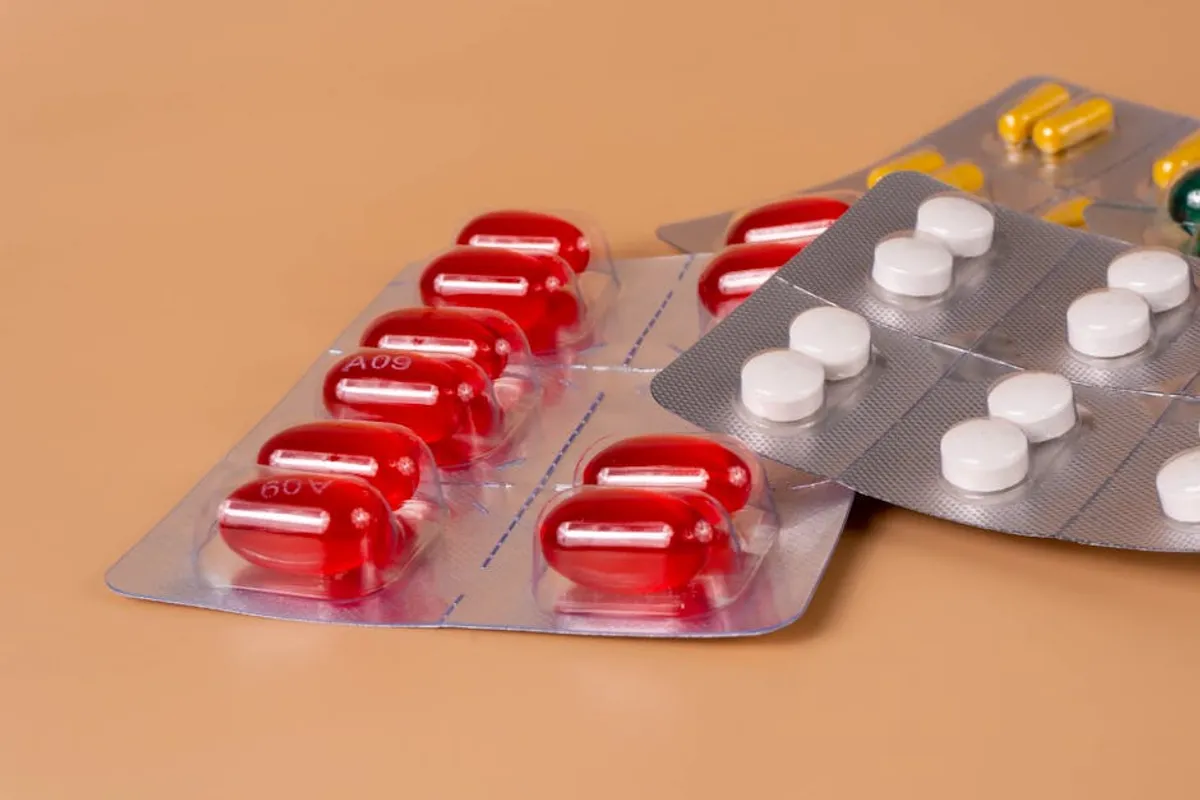
Pharmaceutical delivery is not merely about moving goods from point A to point B; it is a complex operation fraught with critical risks that can compromise patient safety, incur substantial financial losses, and invite severe regulatory penalties. Unlike standard commodities, pharmaceutical products often possess high monetary value, stringent temperature requirements, and a direct impact on human health. A single deviation in transit—be it a temperature excursion, a security breach, or a logistical delay—can render an entire batch unusable, leading to product recalls, supply chain disruptions, and erosion of public trust. Understanding these inherent vulnerabilities and implementing proactive mitigation strategies is paramount for any pharmaceutical company aiming to protect its assets, maintain compliance, and ultimately, ensure that life-saving medications reach patients safely and effectively.
Understanding the Unique Challenges of Pharmaceutical Delivery
Temperature Sensitivity and Cold Chain Integrity
Many pharmaceutical products, particularly biologics, vaccines, and certain advanced therapies, are highly sensitive to temperature fluctuations. Maintaining specific temperature ranges—often 2-8°C for refrigerated products, -20°C for frozen, or even ultra-low temperatures like -70°C for specialized items—is non-negotiable. A breach in this "cold chain" can lead to degradation of active ingredients, loss of potency, or even render the product toxic. The challenge extends beyond mere refrigeration; it encompasses continuous monitoring, validated packaging solutions, and controlled environments at every stage, from manufacturing and storage to transit and final delivery. Failure to uphold these conditions not only wastes valuable product but also carries significant regulatory repercussions.
Regulatory Compliance and Documentation
The pharmaceutical industry operates under a dense web of global and regional regulations, including Good Manufacturing Practices (GMP), Good Distribution Practices (GDP), and specific mandates from bodies like the FDA in the US and EMA in Europe. These regulations dictate everything from storage conditions and transportation protocols to documentation requirements and traceability. Companies must maintain meticulous records of product provenance, handling conditions, and delivery routes to demonstrate compliance during audits. Any deviation can result in hefty fines, product seizures, or even market exclusion. The burden of proof rests entirely on the pharmaceutical company, necessitating robust quality management systems throughout the supply chain.
Security and Diversion Prevention
Given their high value and critical nature, pharmaceutical products are attractive targets for theft, counterfeiting, and diversion. This risk extends beyond financial loss, as stolen or compromised medications can enter illicit markets, endangering patient health and damaging brand reputation. Companies must implement stringent security measures, including tamper-evident packaging, secure transportation routes, GPS tracking, and robust chain-of-custody protocols. For controlled substances, the security requirements are even more rigorous, often involving specialized carriers and enhanced surveillance to prevent misuse and ensure compliance with drug enforcement agencies.
Geopolitical and Logistical Complexities
Modern pharmaceutical supply chains are often global, traversing multiple countries and continents. This introduces a myriad of logistical challenges, including varying infrastructure quality, customs regulations, and geopolitical instabilities. Natural disasters, political unrest, or even localized labor strikes can disrupt established routes, leading to significant delays and potential product spoilage. Navigating these complexities requires deep expertise in international logistics, a strong network of local partners, and agile contingency planning to reroute shipments or secure alternative transport methods rapidly.
Key Strategies for Mitigating Delivery Risk
Robust Cold Chain Management Systems
Effective cold chain management goes beyond insulated boxes. It involves integrating advanced technologies and validated processes. Real-time monitoring systems, utilizing IoT sensors embedded in packaging or vehicles, provide continuous data on temperature, humidity, and location. These systems trigger immediate alerts if conditions deviate, allowing for rapid intervention. Qualified packaging solutions, ranging from passive insulated containers with phase-change materials to active refrigerated units, must be selected based on product requirements and transit duration. Crucially, all routes, equipment, and processes must undergo rigorous validation and re-validation to demonstrate their ability to maintain specified conditions under various environmental stresses.
Best for: Ensuring product efficacy and regulatory adherence for biologics, vaccines, and other temperature-sensitive therapeutics.
Advanced Supply Chain Visibility and Traceability
Achieving end-to-end visibility across the pharmaceutical supply chain is fundamental for risk reduction. This means tracking every product from its origin at the manufacturing plant through distribution centers, carriers, and ultimately to the patient. Technologies like serialization, which assigns a unique identifier to each product unit, enable granular tracking and authentication. Distributed ledger technologies, such as blockchain, can provide an immutable record of every touchpoint, enhancing transparency and making it virtually impossible to tamper with data. This level of traceability is vital for regulatory compliance, quick identification of counterfeit products, and efficient recall management.
Pro Tip: Integrate data from all supply chain partners—manufacturers, logistics providers, and distributors—into a centralized platform. Fragmented data limits visibility and delays critical decision-making during a supply chain disruption.
Strategic Logistics Partner Selection
The choice of logistics partners is a critical decision that directly impacts delivery risk. Pharmaceutical companies must partner with carriers and freight forwarders that possess specialized expertise in healthcare logistics, a proven track record of regulatory compliance (e.g., GDP certifications), and a global network capable of handling complex routes and specialized storage. Due diligence should include thorough audits of potential partners' facilities, equipment, quality management systems, and risk mitigation protocols. Service Level Agreements (SLAs) must clearly define performance indicators, temperature adherence, security measures, and incident response procedures, with penalties for non-compliance. Pharmaceutical companies must partner with carriers and freight forwarders that possess specialized expertise in healthcare logistics, a proven track record of regulatory compliance, such as GDP certifications, and a global network capable of handling complex routes and specialized storage.
Comprehensive Risk Assessment and Contingency Planning
Proactive risk assessment involves systematically identifying potential failure points across the entire delivery process—from temperature excursions and transit delays to customs holds, theft, and natural disasters. For each identified risk, companies must develop robust contingency plans. This includes pre-qualifying alternative routes, establishing backup carrier agreements, securing emergency storage facilities, and maintaining buffer stock at strategic locations. Regular tabletop exercises and stress-testing of these plans ensure that teams are prepared to execute them effectively when real-world disruptions occur. For example, planning for power outages at distribution centers or port strikes requires pre-arranged alternative transport modes and temporary climate-controlled storage solutions.
Data-Driven Decision Making and Continuous Improvement
Leveraging data analytics is essential for optimizing delivery processes and continuously reducing risk. Companies should collect and analyze key performance indicators (KPIs) related to delivery, such as on-time delivery rates, temperature excursion frequency, damage rates, and carrier performance. This data informs decisions on route optimization, packaging selection, and carrier evaluation. Furthermore, implementing a robust Corrective and Preventive Actions (CAPA) system allows companies to investigate deviations, identify root causes, and implement systemic improvements to prevent recurrence. This iterative process of measurement, analysis, and improvement fosters a culture of continuous risk reduction.
- Key Performance Indicators (KPIs) include:
- On-Time In-Full (OTIF) delivery rate
- Temperature excursion rate per shipment
- Damage or loss rate per shipment
- Carrier compliance with SLAs
- Customs clearance time
- Incident response time
Sustaining Delivery Resilience
Reducing delivery risk in the pharmaceutical industry is an ongoing commitment, not a one-time project. It demands a holistic approach that integrates advanced technology, stringent regulatory adherence, strategic partnerships, and a culture of continuous improvement. By proactively addressing the unique challenges of temperature control, security, and global logistics, pharmaceutical companies can build supply chains that are not only efficient but also resilient, ensuring the integrity of their products and the safety of the patients who depend on them. By proactively addressing the unique challenges of temperature control, security, and global logistics, pharmaceutical companies can build supply chains that are not only efficient but also resilient, ensuring the integrity of their products and the safety of the patients who depend on them, and learn how to reduce delivery delays.
Frequently Asked Questions
What is cold chain management in pharmaceutical logistics?
Cold chain management in pharmaceutical logistics refers to the process of storing and transporting temperature-sensitive products within a specific temperature range, typically 2-8°C, -20°C, or ultra-low, from the point of manufacture to the point of administration, using specialized equipment and validated procedures to maintain product integrity.
Why is supply chain visibility crucial for pharmaceutical deliveries?
Supply chain visibility is crucial because it allows pharmaceutical companies to track products in real-time, monitor conditions, identify potential risks or deviations quickly, and ensure regulatory compliance through comprehensive data collection, which is vital for product integrity and patient safety.
How do regulations impact pharmaceutical delivery risk?
Regulations such as GMP and GDP significantly impact delivery risk by imposing strict requirements on storage, handling, transportation, and documentation. Non-compliance can lead to product recalls, fines, market restrictions, and damage to reputation, making adherence a critical component of risk mitigation.
What role do logistics partners play in reducing delivery risk?
Logistics partners play a critical role by providing specialized expertise, infrastructure (e.g., cold chain facilities, secure transport), and global networks necessary for compliant and secure pharmaceutical delivery. Strategic selection of partners with proven regulatory adherence and robust risk management protocols is essential.



