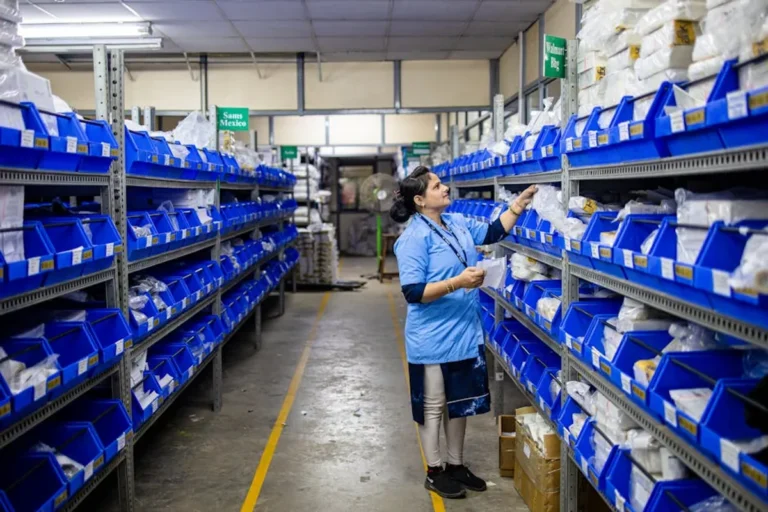

Building a resilient supply chain is no longer an optional enhancement; it is a fundamental requirement for sustained commercial viability. Businesses face increasing volatility from geopolitical shifts, climate events, and rapid technological changes, each capable of disrupting operations, delaying deliveries, and eroding customer trust. The objective is not merely to recover from disruptions, but to anticipate, absorb, and adapt to them with minimal impact on cash flow, production schedules, and market share. This requires a strategic shift from reactive problem-solving to proactive vulnerability management and systemic robustness.
Understanding Supply Chain Vulnerabilities
Effective resilience starts with a granular understanding of existing weaknesses. Identifying these points requires a comprehensive audit across all tiers of the supply network, extending beyond immediate suppliers to their own sub-suppliers.
Identifying Single Points of Failure
A single point of failure (SPOF) represents any component, process, or supplier whose failure would halt or severely impede the entire operation. This could be a sole-source raw material, a unique manufacturing process, or a critical transportation hub. Mapping the entire supply chain to pinpoint these dependencies allows for targeted mitigation. For example, relying on one factory for a proprietary component, even if that factory is highly efficient, creates an unacceptable risk profile when disruptions occur.
Assessing Geopolitical and Environmental Risks
External factors frequently introduce significant volatility. Geopolitical instability, trade policy shifts, or natural disasters (e.g., floods, earthquakes, pandemics) can simultaneously impact multiple suppliers or logistics routes. Evaluating these risks involves analyzing supplier locations against known hazard zones, understanding regional political climates, and assessing the regulatory landscape for critical materials or export restrictions. This assessment provides a risk-weighted view of potential external pressures.
Evaluating Data and Communication Gaps
Ineffective information flow cripples response times during a crisis. Gaps can manifest as a lack of real-time inventory visibility across warehouses, delayed updates from tier-2 suppliers, or manual communication processes that slow decision-making. Without accurate, timely data on stock levels, order status, and transit conditions, businesses operate with blind spots, making it impossible to respond strategically to unexpected events.
Strategies for Building Resilience
Once vulnerabilities are identified, specific strategies can be implemented to fortify the supply chain against future shocks.
Diversifying Supplier Networks
Reducing reliance on a single supplier for critical inputs is a primary resilience strategy. This involves qualifying multiple vendors for key components, ideally across different geographic regions to mitigate localized risks. While this may increase procurement complexity or slightly alter unit costs, the benefit lies in maintaining production continuity during localized disruptions. This is not about simply adding suppliers, but about strategically distributing risk.
Pro Tip: When diversifying, do not simply add more suppliers from the same geographic region or with identical infrastructure. Seek out partners with different risk profiles, manufacturing processes, or logistical pathways to genuinely enhance robustness against varied disruption types. A geographically dispersed and technically varied supplier base offers superior protection.
Implementing Advanced Data Analytics and Visibility
Leveraging technology to gain end-to-end visibility is crucial. This includes deploying systems for real-time tracking of goods in transit, integrating supplier inventory data, and using predictive analytics to forecast demand fluctuations or potential bottlenecks. Tools that aggregate data from various sources (e.g., ERP, TMS, WMS, IoT sensors) into a single dashboard enable proactive monitoring and faster, data-driven decision-making when disruptions emerge.
Developing Scenario Planning and Contingency Protocols
Resilience is enhanced by preparing for potential disruptions before they occur. Scenario planning involves modeling various crisis situations (e.g., port closures, factory fires, sudden demand spikes) and developing specific, actionable contingency plans for each. These protocols should detail alternative sourcing, emergency logistics, communication strategies, and financial buffers. Regular drills and updates ensure these plans remain relevant and executable.
Fostering Collaborative Ecosystems
Supply chain resilience is not a solitary endeavor. Building strong, transparent relationships with key suppliers, logistics partners, and even customers can significantly improve collective response capabilities. This includes joint planning sessions, shared risk assessments, and agreements on information-sharing protocols during normal operations and crises. A collaborative ecosystem allows for faster problem-solving and resource allocation across the network.
Operationalizing Resilience Improvements
Translating strategy into daily operations requires specific technological and procedural adjustments.
Technology Adoption for Real-time Monitoring
Integrating advanced technologies provides the granular data needed for proactive management:
- IoT Sensors: For tracking environmental conditions, location, and integrity of goods in transit.
- Blockchain: For immutable record-keeping and enhanced traceability of products and components.
- AI/Machine Learning: For predictive analytics on demand, lead times, and potential disruptions.
- Cloud-based Platforms: For centralized data management and accessibility across distributed teams and partners.
These tools provide the foundational data layer for informed decision-making.
Inventory Optimization Strategies
While just-in-time (JIT) principles optimize cost efficiency, they can reduce resilience. A balanced approach involves strategic inventory positioning. This might include maintaining safety stock for critical components, establishing regional distribution hubs to shorten lead times, or using consignment inventory agreements with suppliers. The goal is to balance carrying costs with the cost of potential stockouts or production halts.
Workforce Training and Agility
A resilient supply chain relies on a well-trained and adaptable workforce. This includes cross-training employees in different roles, developing crisis management skills, and fostering a culture of continuous learning and problem-solving. Empowering teams with the autonomy and tools to make rapid, informed decisions during disruptions significantly improves response effectiveness.
Sustaining Resilience Over Time
Building resilience is an ongoing commitment, not a one-time project. Regular audits of the supply chain, performance reviews of resilience strategies, and continuous adaptation to emerging global risks are essential. Integrate resilience metrics into key performance indicators (KPIs) to track improvement and identify new areas for investment. This iterative process ensures the supply chain remains robust against an evolving threat landscape, transforming it into a source of competitive advantage rather than a vulnerability.
Frequently Asked Questions
What is the primary benefit of investing in supply chain resilience?
The primary benefit is business continuity and reduced financial exposure during disruptions, safeguarding revenue, market share, and customer trust. It also provides a competitive advantage by enabling faster recovery and more reliable delivery compared to less resilient competitors.
How can small and medium-sized businesses (SMBs) approach supply chain resilience without large budgets?
SMBs can focus on foundational steps like mapping their immediate supply chain to identify critical dependencies, developing basic contingency plans for key suppliers, and fostering strong, transparent relationships with their top 3-5 vendors. Leveraging affordable cloud-based communication tools and participating in industry-specific information-sharing networks can also provide significant gains.
What role does technology play in improving supply chain resilience?
Technology provides critical real-time visibility, predictive analytics, and automated communication capabilities that enable faster detection of disruptions, more informed decision-making, and more efficient execution of contingency plans. It transforms reactive responses into proactive risk management.
How often should a supply chain resilience plan be reviewed and updated?
A supply chain resilience plan should be reviewed at least annually, or more frequently if significant changes occur within the business (e.g., new product launches, major supplier changes) or in the external environment (e.g., new geopolitical risks, major climate events). Regular scenario testing is also crucial to validate effectiveness.