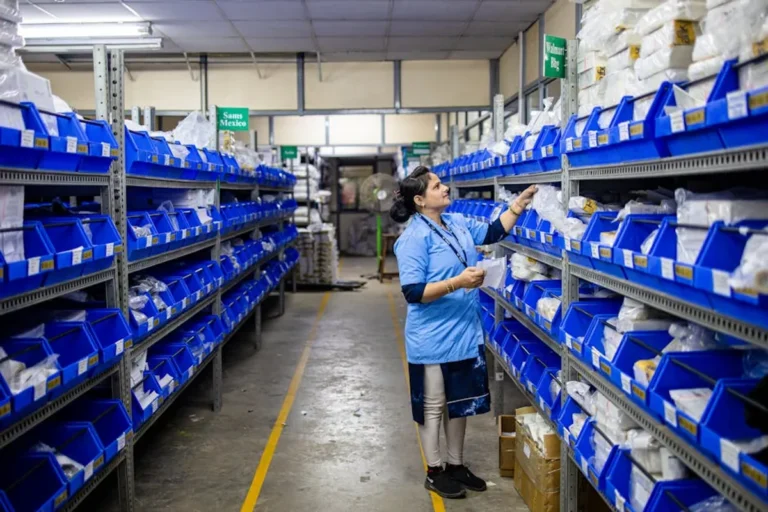

Reducing delays in cross-border medical shipments is not merely an operational goal; it is a critical factor impacting patient outcomes, research timelines, and ultimately, a company’s financial viability and reputation. The unique sensitivities of medical goods—ranging from temperature-controlled biologics to fragile diagnostic equipment and time-sensitive pharmaceuticals—demand a logistics approach that prioritizes precision and speed above all else. Delays translate directly into wasted resources, compromised product integrity, and missed opportunities. This guide outlines actionable strategies to mitigate common bottlenecks and establish more resilient, efficient international supply chains for medical products. Reducing delays in cross-border medical shipments is not merely an operational goal but a critical factor impacting patient outcomes.
Mastering Regulatory Compliance and Documentation
The single largest contributor to cross-border delays stems from inadequate regulatory preparation and flawed documentation. Each country maintains distinct import/export laws for medical devices, pharmaceuticals, and biological samples, which are subject to frequent updates. Proactive engagement with these regulations is non-negotiable. The single largest contributor to cross-border delays stems from inadequate regulatory preparation and flawed documentation, making smooth customs clearance for medical goods vital.
Pre-Shipment Approvals and Licenses
Many medical products require specific import permits, health certificates, or even pre-market approvals from the destination country’s health authority before shipment can commence. Failure to secure these in advance guarantees customs hold-ups. Research and apply for all necessary licenses well before the intended shipping date, factoring in substantial processing times.
Accurate Harmonized System (HS) Codes
Correctly classifying medical products using the internationally recognized Harmonized System (HS) codes is fundamental. An incorrect HS code can lead to misapplication of duties, taxes, and regulatory requirements, resulting in customs queries, fines, or outright rejection of the shipment. Utilize expert classification services or internal specialists to ensure precise coding for every item.
Comprehensive and Error-Free Documentation
Every cross-border medical shipment requires a suite of documents, each needing absolute accuracy. Discrepancies, omissions, or illegible entries are immediate red flags for customs officials. A typical documentation package includes:
- Commercial Invoice: Detailed description of goods, value, currency, terms of sale (Incoterms), and parties involved.
- Packing List: Itemized contents of each package, weight, and dimensions.
- Airway Bill or Bill of Lading: Contract between shipper and carrier, proof of receipt.
- Certificate of Origin: Verifies the country where goods were manufactured.
- Dangerous Goods Declaration (if applicable): For hazardous materials, including certain chemicals or biological samples.
- Health Certificates/Import Permits: Country-specific regulatory approvals.
- Material Safety Data Sheets (MSDS): For chemical components.
Implement a rigorous internal review process for all documentation before submission. Digital documentation platforms can significantly reduce errors and accelerate processing.
Optimizing Customs Clearance Processes
Efficient customs clearance is a bottleneck that can be mitigated through strategic planning and collaboration.
Proactive Engagement with Customs Brokers
Partner with experienced customs brokers specializing in medical logistics in both the origin and destination countries. These brokers possess intricate knowledge of local regulations, language requirements, and common pitfalls. Empower them with complete, accurate documentation in advance to allow for pre-clearance where possible.
Leveraging Authorized Economic Operator (AEO) Status
Companies that achieve AEO status (or similar trusted trader programs like C-TPAT in the US) benefit from expedited customs processing, fewer inspections, and priority treatment. While the application process is rigorous, the long-term gains in speed and predictability for frequent shippers of medical goods are substantial.
Pro Tip: Implement a "first-mile" and "last-mile" visibility strategy. Real-time tracking from the moment a shipment leaves the facility to its final destination allows for immediate identification of potential delays and proactive communication with stakeholders, minimizing surprises and enabling swift corrective action.
Strategic Carrier Selection and Logistics Partnerships
The choice of logistics partner is pivotal for time-sensitive and condition-critical medical shipments.
Specialized Medical Logistics Providers
Engage carriers and freight forwarders with proven expertise in healthcare logistics. These providers offer specialized services such as:
- Temperature-controlled transport (cold chain, controlled room temperature).
- Validated packaging solutions (passive and active temperature-controlled containers).
- Hazardous materials handling certifications.
- Dedicated healthcare networks and trained personnel.
- Real-time monitoring and intervention capabilities for sensitive cargo.
Best for: High-value, temperature-sensitive, or time-critical pharmaceuticals and biologics.
Service Level Agreements (SLAs) with Clear Performance Metrics
Negotiate comprehensive SLAs that specify transit times, temperature adherence, communication protocols, and contingency plans. Include penalties for non-compliance and bonuses for exceptional performance to incentivize carriers to meet stringent requirements.
Integrating Technology for Enhanced Visibility and Predictability
Technology drives efficiency and provides the data necessary for continuous improvement.
Real-time Tracking and Monitoring
Utilize GPS-enabled tracking devices, IoT sensors for temperature and humidity, and integrated logistics platforms. This provides end-to-end visibility, allowing shippers to monitor conditions and location proactively. Alerts for deviations enable immediate intervention, preventing product spoilage or further delays.
Predictive Analytics and Data Management
Leverage historical shipping data, weather patterns, customs processing times, and geopolitical events to predict potential delays. Predictive analytics can inform route optimization, inventory planning, and proactive communication with consignees. Centralized data management systems ensure all stakeholders access the most current information.
Building Resilient Medical Supply Chains
Reducing delays in cross-border medical shipments requires a multi-faceted approach centered on meticulous planning, regulatory expertise, strategic partnerships, and technological integration. By investing in robust compliance frameworks, optimizing customs interactions, selecting specialized logistics providers, and deploying advanced tracking and analytics, organizations can significantly enhance the speed, reliability, and safety of their international medical supply chains. This proactive strategy not only mitigates risks but also ensures the timely delivery of vital medical products, supporting global health initiatives and patient care.
Frequently Asked Questions
What are the most common reasons for delays in cross-border medical shipments?
The most common reasons include incorrect or incomplete documentation, customs clearance issues due to regulatory non-compliance, unexpected border inspections, carrier capacity constraints, and unforeseen events such as extreme weather or geopolitical disruptions.
How does temperature control impact shipment timelines for medical products?
Temperature-controlled shipments often require specialized equipment, validated packaging, and specific handling protocols, which can add complexity and potentially time to transit. Selecting carriers with established cold chain expertise and pre-conditioning temperature-sensitive packaging are crucial steps to prevent delays related to temperature excursions.
What role do Incoterms play in managing cross-border medical shipment delays?
Incoterms define the responsibilities of buyers and sellers for the delivery of goods, including who is responsible for customs clearance, insurance, and costs at various points in the journey. Choosing the appropriate Incoterm (e.g., DDP for maximum seller responsibility) can clarify obligations and prevent delays arising from ambiguity over who handles specific tasks like import duties or permits.
Is it always necessary to use a specialized customs broker for medical shipments?
While not legally mandatory in all cases, using a specialized customs broker for medical shipments is highly recommended. Their expertise in complex healthcare regulations, specific HS codes for medical devices and pharmaceuticals, and country-specific import requirements significantly reduces the risk of errors, expedites clearance, and minimizes potential delays and penalties.