
Life sciences distribution is a complex, high-stakes operation driven by stringent regulatory demands, precise temperature controls, and the imperative of patient safety. Unlike general logistics, the movement of pharmaceuticals, biologics, medical devices, and diagnostics requires specialized infrastructure, validated processes, and an acute understanding of global compliance frameworks. Organizations seeking to optimize or establish their distribution channels must navigate these intricacies to ensure product integrity, minimize risk, and maintain market access.
This guide outlines the core components and critical considerations for effective life sciences distribution, framing the decision-making process for companies at any stage of their supply chain development.
Understanding the Life Sciences Distribution Landscape
The distribution of life sciences products extends beyond mere transportation; it encompasses a complete ecosystem designed to preserve product efficacy, prevent diversion, and meet specific patient needs. Failures in this system can lead to significant financial losses, regulatory penalties, and, most critically, compromised patient outcomes.
Regulatory Compliance and Quality Systems
Adherence to global and local regulations is non-negotiable. Key frameworks like Good Distribution Practices (GDP) provide guidelines for the proper distribution of medicinal products for human use. Compliance extends to every link in the supply chain, from manufacturing hand-off to final delivery. This involves rigorous documentation, validated processes, and continuous training.
Specific requirements often include:
- Quality Management Systems (QMS): Implementing and maintaining a robust QMS that covers all distribution activities.
- Authorized Personnel: Ensuring staff are adequately trained and qualified for their roles, particularly regarding product handling and regulatory requirements.
- Documentation Control: Maintaining comprehensive records for all distribution activities, including temperature monitoring, deviations, and corrective actions.
- Audits and Self-Inspections: Regularly assessing compliance with internal procedures and external regulations.
Cold Chain and Temperature-Controlled Logistics
Many life sciences products, especially biologics, vaccines, and certain pharmaceuticals, are temperature-sensitive. Maintaining the "cold chain" – an unbroken series of refrigerated production, storage, and distribution activities – is paramount. This requires specialized equipment and protocols.
This includes:
- Temperature Monitoring: Continuous monitoring devices (data loggers, RFID sensors) that track conditions during storage and transit.
- Validated Packaging: Insulated containers, gel packs, phase change materials, and dry ice solutions engineered to maintain specific temperature ranges (e.g., 2-8°C, -20°C, -80°C, or controlled room temperature 15-25°C).
- Specialized Storage: Warehouses equipped with validated temperature-controlled zones, backup power, and alarm systems.
- Contingency Planning: Protocols for handling temperature excursions, equipment failures, and unforeseen delays.
Specialized Handling and Security
Beyond temperature, many life sciences products demand specific handling due to their fragility, value, or potential for misuse. High-value pharmaceuticals, controlled substances, and sensitive diagnostic reagents require enhanced security measures and careful handling protocols to prevent theft, damage, or diversion.
Pro Tip: Inadequate risk assessment for specific product categories, particularly high-value or controlled substances, frequently leads to vulnerabilities in the distribution chain. Implement a detailed threat analysis at each transfer point and validate security protocols with real-world testing, not just theoretical plans, to identify and mitigate potential breaches before they occur.
Key Stages of Life Sciences Distribution
An effective distribution strategy integrates several distinct stages, each with its own set of challenges and requirements.
Procurement and Supplier Management
The distribution process begins with the careful selection and qualification of suppliers and raw material providers. This stage ensures that all incoming materials meet quality standards and are handled appropriately from their origin. Due diligence includes auditing supplier facilities, validating their quality systems, and establishing clear service level agreements.
Warehousing and Inventory Management
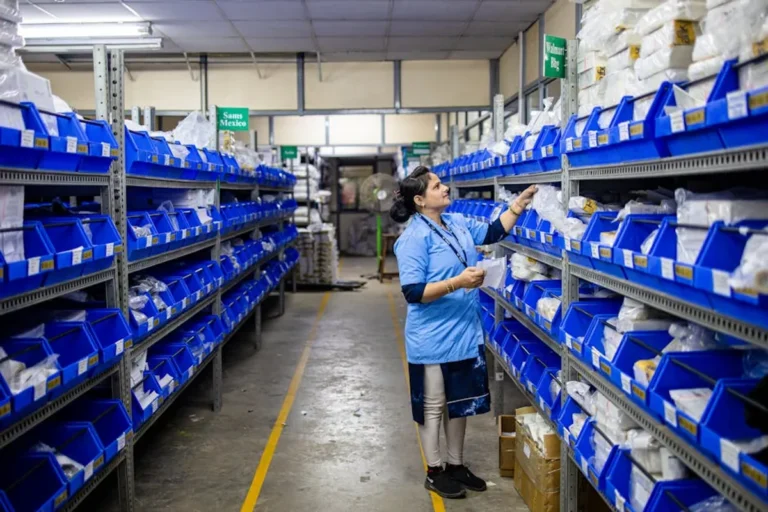
Storage facilities must comply with GDP and specific product requirements. This involves segregated storage for different product types, controlled access, pest control, and robust inventory management systems (WMS) that track batch numbers, expiration dates, and location. Traceability is critical here for recall management and regulatory reporting.
Transportation and Route Optimization
Selecting the appropriate transportation mode (air, sea, road, rail) and carrier is crucial. This decision is based on factors like urgency, distance, cost, and product stability requirements. Route optimization minimizes transit times and reduces exposure to environmental fluctuations, while specialized carriers offer validated temperature-controlled vehicles and trained personnel.
Customs, Trade, and Import/Export
Global distribution involves navigating complex international trade regulations, customs clearances, and varying country-specific import/export requirements. This demands expertise in tariffs, duties, permits, and documentation to avoid delays and ensure compliance with local health authorities.
Technology and Data in Distribution
Advanced technology is no longer optional; it is integral to maintaining compliance, efficiency, and visibility across the life sciences supply chain.
Traceability and Serialization
Regulations like the Drug Supply Chain Security Act (DSCSA) in the US and the Falsified Medicines Directive (FMD) in the EU mandate robust track-and-trace capabilities. Serialization, which assigns a unique identifier to each saleable unit, allows for end-to-end visibility, combating counterfeiting and facilitating rapid recalls. This requires sophisticated IT infrastructure and data exchange capabilities.
Data Analytics for Optimization
Leveraging data from temperature monitors, inventory systems, and transportation logs provides actionable insights. Predictive analytics can forecast demand, optimize inventory levels, identify potential cold chain excursions, and improve route planning. This data-driven approach enhances operational efficiency and strengthens compliance.
Automation and Robotics
In warehouses, automation (e.g., automated storage and retrieval systems, robotic picking) can improve accuracy, reduce labor costs, and enhance throughput. These systems are particularly valuable for handling delicate or high-volume products, minimizing human error and ensuring consistent handling conditions.
Selecting a Distribution Partner
Choosing a third-party logistics (3PL) provider for life sciences products requires careful evaluation beyond standard cost considerations. A partner must demonstrate deep expertise in regulatory compliance, cold chain management, and specialized handling. Key evaluation criteria include:
- Validated quality management system and regulatory track record.
- Global network and infrastructure for specific regions.
- Expertise in cold chain and temperature-controlled logistics.
- Robust security protocols and anti-diversion measures.
- Advanced technology for traceability, data analytics, and reporting.
- Proven experience with similar product types and regulatory environments.
- Financial stability and capacity for scaling operations.
Streamlining Your Life Sciences Distribution Strategy
Effective life sciences distribution is a continuous process of evaluation and refinement. Start by conducting a thorough audit of your current supply chain to identify compliance gaps, efficiency bottlenecks, and areas of risk. Develop a detailed risk management plan that addresses potential disruptions, from natural disasters to regulatory changes. Invest in technology solutions that enhance traceability and data visibility, providing real-time insights into product movement and condition. Finally, foster strong, collaborative relationships with your distribution partners, ensuring alignment on quality standards, operational procedures, and communication protocols. This proactive approach will build a resilient and compliant distribution network capable of meeting the unique demands of the life sciences sector.
Frequently Asked Questions
What is GDP in life sciences distribution?
GDP, or Good Distribution Practices, refers to a set of guidelines that ensure the quality and integrity of medicinal products are maintained throughout the entire supply chain, from the manufacturer to the patient. It covers aspects like storage, transportation, documentation, and personnel training.
Why is cold chain management so critical for life sciences products?
Many life sciences products, such as vaccines, biologics, and certain pharmaceuticals, are temperature-sensitive. Cold chain management ensures these products are consistently stored and transported within specific temperature ranges, preventing degradation, maintaining efficacy, and safeguarding patient safety.
How does serialization impact life sciences distribution?
Serialization assigns a unique identifier to each individual unit of a product, enabling end-to-end traceability. This helps combat counterfeiting, facilitates rapid product recalls, and improves supply chain transparency, complying with regulations like DSCSA and FMD.
What are the primary risks in life sciences distribution?
Primary risks include temperature excursions, product damage, theft or diversion, regulatory non-compliance, and supply chain disruptions. Mitigating these requires robust quality systems, advanced monitoring, stringent security, and comprehensive contingency planning.