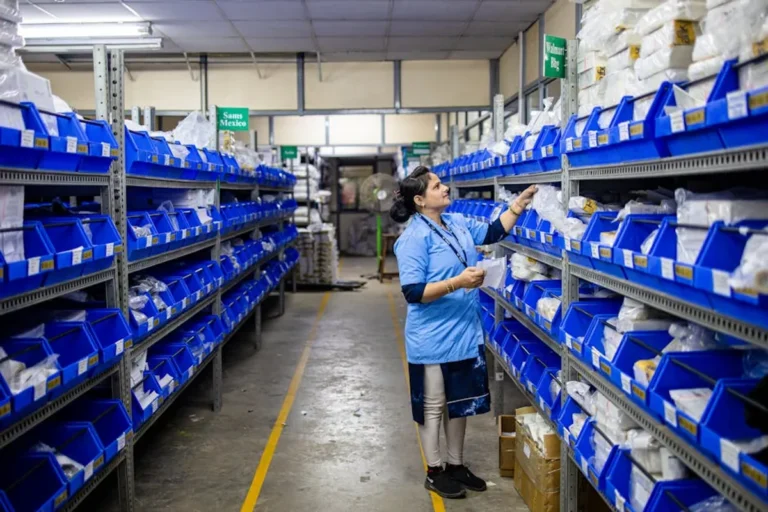

Managing the integrity of temperature-sensitive products throughout the supply chain presents a complex challenge, where even minor deviations can lead to significant financial losses, regulatory non-compliance, and compromised product efficacy or safety. For businesses operating in pharmaceuticals, biologics, specialized chemicals, and certain food categories, robust risk management in the cold chain is not merely a best practice—it is a foundational operational imperative that directly impacts patient outcomes, consumer trust, and commercial viability. Understanding and mitigating these risks proactively is essential for maintaining product quality from manufacturing to the final delivery point. Proactive risk management is key to improving supply chain resilience and ensuring product integrity.
The Imperative of Cold Chain Risk Management
The stakes in cold chain logistics are exceptionally high. Products like vaccines, insulin, and certain diagnostic reagents have narrow temperature tolerances; exposure outside these ranges can render them inert, toxic, or otherwise unusable. This directly translates to potential patient harm, expensive product recalls, and severe damage to brand reputation. Beyond the immediate impact, regulatory bodies globally enforce stringent guidelines, such as Good Distribution Practices (GDP), which mandate comprehensive risk assessment and management protocols for temperature-controlled products. Non-compliance can result in hefty fines, operational restrictions, and loss of market access. Strict adherence to these regulations involves meticulous record-keeping and maintaining chain of custody for all temperature-sensitive shipments.
Identifying Key Vulnerabilities in the Cold Chain
Effective risk management begins with a thorough understanding of where vulnerabilities exist. These points can range from equipment failure to human error, and external environmental factors.
Temperature Excursions and Control Failures
The most immediate and critical risk is the failure to maintain specified temperature ranges. This can stem from refrigerated storage unit malfunctions, power outages, inadequate insulation during transit, or improper loading and unloading procedures. Each point where a product might be exposed to ambient conditions, even briefly, represents a potential for temperature excursion.
Operational and Human Factors
Human error remains a significant contributor to cold chain failures. This includes incorrect temperature setting, improper handling during transfers, insufficient packaging, or lack of adherence to standard operating procedures (SOPs). Inadequate training or insufficient staffing can exacerbate these issues, leading to systemic weaknesses. Furthermore, data integrity risks, such as manual data entry errors or compromised electronic records, can obscure critical information about product conditions.
External and Environmental Risks
Beyond internal operational controls, external factors pose substantial threats. Natural disasters like floods, hurricanes, or extreme weather events can disrupt transportation routes and power supply. Geopolitical instability, port congestion, or unexpected customs delays can also prolong transit times, increasing the risk of temperature deviations. Theft or tampering during transit, particularly for high-value pharmaceuticals, also constitutes a significant security risk that can compromise product integrity.
Developing a Robust Risk Mitigation Framework
A comprehensive risk management framework moves beyond simple identification to systematic mitigation and continuous improvement.
Proactive Risk Assessment and Planning
Implementing formal risk assessment methodologies, such as Failure Mode and Effects Analysis (FMEA), allows organizations to identify potential failure points, assess their likelihood and impact, and prioritize mitigation strategies. This involves mapping the entire cold chain, from raw material sourcing to final delivery, and documenting potential risks at each stage. Contingency plans must be developed for identified high-risk scenarios, detailing specific actions, responsible parties, and communication protocols.
Implementing Monitoring and Control Technologies
Modern cold chain management relies heavily on advanced technology for real-time visibility and control. This includes:
- IoT Sensors and Data Loggers: Devices that continuously record and transmit temperature, humidity, and location data. These provide an immutable record of conditions and can trigger immediate alerts if deviations occur.
- Predictive Analytics: Leveraging historical data and machine learning to anticipate potential risks, such as route delays or equipment malfunctions, allowing for proactive intervention.
- Cloud-Based Platforms: Centralized systems that aggregate data from various sources, providing a comprehensive overview of product status across the entire supply chain and facilitating rapid decision-making.
- Blockchain for Traceability: Distributed ledger technology can provide an unalterable, transparent record of product movement and conditions, enhancing trust and simplifying audits.
Establishing Contingency and Recovery Protocols
No system is infallible, making robust contingency and recovery plans essential. This includes having backup power sources for storage facilities, redundant transportation options, and clearly defined emergency response teams. Protocols for handling temperature excursions—such as immediate quarantine, assessment, and disposition—must be in place and regularly practiced. Supplier qualification also plays a critical role, ensuring that all third-party logistics (3PL) providers meet stringent quality and risk management standards.
Training and Compliance Adherence
Personnel at every stage of the cold chain must receive thorough and recurrent training on proper handling, storage, monitoring, and emergency procedures. This includes understanding the specific temperature requirements of different products, correct use of monitoring equipment, and adherence to regulatory guidelines. Regular internal and external audits help ensure ongoing compliance and identify areas for improvement.
Pro Tip: Prioritize data integrity within your cold chain monitoring system. Unreliable or incomplete data can lead to false assurances or delayed responses, negating the benefits of even the most sophisticated sensors. Implement robust validation processes for all data inputs and ensure secure, auditable storage.
The Commercial Impact of Effective Risk Management
Beyond avoiding penalties, a well-executed cold chain risk management strategy delivers tangible commercial advantages. It directly reduces product spoilage and waste, leading to significant cost savings. By preventing recalls and maintaining product efficacy, it protects brand reputation and fosters customer loyalty. Furthermore, demonstrating a proactive approach to risk management can be a competitive differentiator, attracting new clients and strengthening relationships with existing partners who prioritize supply chain reliability and quality assurance.
Practical Steps for Ongoing Optimization
Sustaining a high level of cold chain integrity requires continuous effort and adaptation. Regularly review and update risk assessments based on new product introductions, changes in regulations, or evolving supply chain dynamics. Invest in continuous education for staff and regularly evaluate the performance of monitoring technologies. Foster strong communication channels with all supply chain partners to ensure a unified approach to risk mitigation. By embedding a culture of vigilance and continuous improvement, organizations can safeguard their products, their reputation, and their bottom line.
Frequently Asked Questions
What is the primary goal of risk management in the cold chain?
The primary goal is to protect the integrity, efficacy, and safety of temperature-sensitive products throughout their journey from manufacturing to the end-user, thereby minimizing financial losses, ensuring regulatory compliance, and safeguarding patient or consumer health.
Why is real-time temperature monitoring crucial for cold chain risk management?
Real-time temperature monitoring provides immediate visibility into product conditions, allowing for rapid detection of temperature excursions. This enables prompt intervention to mitigate damage, identify root causes, and make informed decisions about product disposition, preventing widespread spoilage.
How do regulatory requirements influence cold chain risk management strategies?
Regulatory bodies, such as the FDA and EMA, mandate specific guidelines (e.g., GDP) for the storage and distribution of temperature-sensitive products. These regulations often require documented risk assessments, validated processes, comprehensive monitoring, and detailed record-keeping, directly shaping the design and implementation of risk management strategies.
What are the main consequences of inadequate cold chain risk management?
Inadequate risk management can lead to product spoilage, loss of efficacy, patient safety risks, expensive product recalls, significant financial losses from wasted inventory, damage to brand reputation, and potential regulatory fines or legal liabilities.